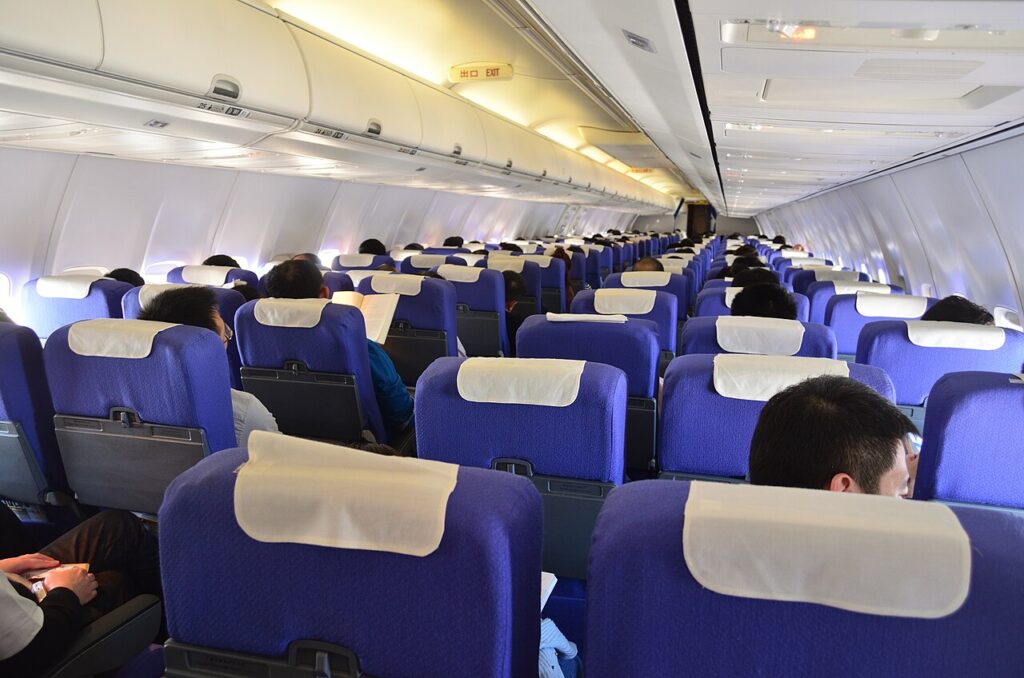
A comfortable long flight often starts before you reach the airport. The day before travel is a useful window for getting your sleep, meals, hydration and packing into a calmer rhythm. You do not need a complicated travel detox or an extreme routine. The goal is simply to reduce avoidable stress and arrive at the airport reasonably rested, fed and organized.
Protect the night before your flight
Starting a travel day already sleep-deprived can make fatigue feel worse. Keep your evening as normal as possible, avoid pushing bedtime dramatically later just to finish packing, and give yourself enough time for your usual sleep opportunity. If your trip crosses several time zones, you can begin gently shifting your schedule toward destination time rather than making a sudden change.
If sleep is difficult, use familiar habits rather than experimenting with new supplements or sedatives immediately before travel. Our guide to sleeping on a plane explains how to plan in-flight rest without turning the journey into an all-or-nothing sleep challenge.
Hydrate normally, not aggressively
Drink fluids regularly during the day, but there is no need to force large amounts of water. Very high intake can simply mean more bathroom trips and may not make the flight more comfortable. A practical target is to arrive at the airport neither thirsty nor overly full of fluid.
Alcohol can interfere with sleep quality and may worsen dehydration-related discomfort, so keeping it low the day before travel is sensible. If you normally drink caffeine, avoid suddenly doubling your intake to prepare for a long day.
Keep meals familiar
The day before a flight is usually not the best time for an unusually heavy meal, extreme diet change or foods you already know upset your stomach. Choose normal portions with familiar carbohydrates, protein, vegetables or fruit, and enough fluids. If your flight is early, plan breakfast or a portable snack in advance so you are not relying entirely on airport food.
For more detail, see what to eat before a long flight.
Move, but do not exhaust yourself
A normal walk, light mobility work or your regular training is fine if it leaves you feeling good. The day before travel is not the ideal time for a punishing new workout that leaves your legs extremely sore before hours of sitting. If you have been inactive, even a relaxed walk can help you feel less stiff before the journey.
Pack for comfort rather than perfection
Keep the items you will actually use within reach: medication, travel documents, a refillable bottle for after security, charging cable, headphones, a light layer, basic toiletries and any medically necessary compression garment recommended for you. Our carry-on wellness kit gives a simple checklist.
Plan movement during the journey
Long periods of sitting are uncomfortable for many travelers. The CDC notes that extended immobility during long-distance travel can increase blood-clot risk in some people, particularly those with additional risk factors. Plan to change position, move your ankles and legs, and get up when it is safe and practical. If you have a personal history of blood clots, recent surgery, pregnancy, cancer treatment or another known risk factor, individualized medical advice is more appropriate than generic travel tips.
Reduce the number of decisions on travel day
Check transport to the airport, luggage limits, passport location, boarding time and any required documents before you go to bed. A calmer travel morning is easier when you are not searching for chargers or repacking at the last minute.
A simple day-before-flight checklist
- Keep a normal sleep opportunity.
- Drink fluids regularly.
- Choose familiar meals.
- Do light or normal movement.
- Pack essential items where you can reach them.
- Confirm transport and travel documents.
- Avoid testing new sleep aids or extreme routines.
FAQ
Should I exercise the day before a long flight?
Usually, normal light-to-moderate activity is reasonable if you are used to it. Avoid unusually intense exercise that leaves you very sore for travel.
Should I stay awake late so I sleep on the plane?
Deliberately depriving yourself of sleep can backfire and make travel feel harder. A more conservative approach is to protect your normal sleep and adjust gradually when needed.
How early should I start preparing?
Most practical preparation can be done the day before, although sleep timing for major time-zone changes may be adjusted over several days.
Build a realistic day-before-flight timeline
A simple timeline reduces last-minute stress. In the morning, confirm documents, transport and baggage limits. By afternoon, finish most packing and charge devices. In the evening, choose comfortable travel clothes, prepare any medications you need and leave only minor tasks for the next morning.
This is especially useful for early departures. The more decisions you complete the day before, the less likely you are to sacrifice sleep because you are still packing at midnight.
Check medications and health needs before the airport
Keep prescribed medication in your carry-on where it is accessible, ideally in its labeled packaging when required by local rules. Bring enough for the trip plus a reasonable buffer in case of delays. If medication needs refrigeration, needles, controlled-drug documentation or special handling, check airline and destination rules in advance.
Do not change medication timing solely to match a new time zone without appropriate advice when timing is medically important. Diabetes medicines, anticoagulants and some other treatments can require individualized planning.
Think about circulation before a long period of sitting
Long-distance travel can involve many hours of limited movement, including airport waiting time. Comfortable clothing, room to move your ankles and a plan to stand or walk when safe can make the journey more manageable.
Compression socks are not necessary for every traveler. If you are considering them because of a history of blood clots, surgery, pregnancy, significant swelling or another medical risk factor, ask a clinician whether they are appropriate and what level of compression you need.
Choose travel clothing the night before
Wear layers that allow you to adjust to different temperatures in the airport, cabin and destination. Clothing should not feel excessively tight around the waist or legs. Shoes that are easy to manage and still provide support are often more practical than footwear chosen mainly for appearance.
If your feet tend to swell during flights, allow a little room in your footwear rather than starting the journey in shoes that already feel tight.
Prepare your stomach as well as your suitcase
If you know that certain foods trigger reflux, bloating or diarrhea for you, the day before travel is a good time to avoid unnecessary experiments. That does not mean following a restrictive “travel diet.” It simply means choosing foods you already tolerate well.
People with diagnosed food allergies, celiac disease or other dietary requirements should pack appropriate backup snacks and check airline meal arrangements in advance rather than assuming suitable food will always be available.
Do not try to dehydrate yourself to avoid the airplane bathroom
Some travelers intentionally drink very little before a flight because they dislike using the cabin bathroom. That can leave you unnecessarily thirsty and uncomfortable. A better strategy is normal hydration and sensible timing rather than avoiding fluids altogether.
Likewise, do not overhydrate in advance. The body does not store an unlimited reserve of water for the next day, and excessive intake can be counterproductive.
Plan your caffeine instead of improvising
If you regularly drink coffee or tea, think about when it fits the destination schedule. For an overnight flight, repeated caffeine late in the journey may make it harder to sleep when you want to. For a daytime flight, your usual intake may be fine.
Avoid dramatically increasing caffeine because you expect a tiring day. High doses can cause jitteriness, palpitations or stomach upset in some people.
Consider the direction of travel
If you are crossing several time zones, the day before departure can be the beginning of a gentle adjustment. Travelers heading east may sometimes benefit from moving sleep and wake times earlier over several days, while westward travel may involve later timing. The exact approach depends on how many time zones you cross and your schedule.
You do not need to force a large change in one night. A small shift combined with destination-timed light exposure after arrival is usually more realistic.
Prepare for an airport delay
Pack as if the journey may take longer than planned. Keep medication, essential toiletries, a charger, a layer of clothing and a small amount of food in your carry-on. If checked luggage is delayed, you should still have what you need for the first part of the trip.
For children, older adults or travelers with medical conditions, this buffer becomes even more important.
Protect your neck and back before you fly
If you already have mild stiffness, gentle walking and comfortable movement the day before travel can be useful. Avoid trying an aggressive new stretching routine or deep self-massage immediately before a long period of sitting.
Pack any small support item you already know works for you, such as a travel pillow or lumbar cushion. An unfamiliar device bought at the last minute may not be comfortable just because it is marketed for travel.
If you are anxious about flying
Preparation can reduce some of the uncertainty that feeds travel anxiety. Check the route to the airport, boarding documents and luggage rules ahead of time. Build extra time into the journey so that one slow queue does not feel like a crisis.
If anxiety is severe, recurrent or associated with panic attacks, discuss it with a healthcare professional before the trip rather than experimenting with alcohol or unprescribed sedatives.
Sleep the night before: aim for adequate, not perfect
It is common to sleep a little worse before an important trip because of excitement or worry. One imperfect night does not mean the journey is ruined. Give yourself a reasonable sleep opportunity and avoid spending hours trying to force sleep.
Keep alarms, documents and morning essentials ready so that you are not repeatedly checking the time or worrying that you will forget something.
A practical evening-before routine
- Finish packing most items several hours before bed.
- Check passport, tickets, medication and transport.
- Eat a familiar evening meal.
- Charge essential devices.
- Set out travel clothing and shoes.
- Fill or prepare a reusable bottle to take through security empty if required.
- Reduce unnecessary work and screen time late in the evening.
- Go to bed close to your planned time rather than deliberately staying awake.
What not to do the day before a long flight
- Do not start an extreme detox, fast or crash diet.
- Do not deliberately dehydrate yourself.
- Do not try a new sedative or supplement without appropriate guidance.
- Do not schedule an unusually intense workout that leaves you very sore.
- Do not leave essential documents and medication for last-minute packing.
- Do not rely on alcohol to make you sleep on the plane.
FAQ
Should I exercise the day before a long flight?
Usually, normal light-to-moderate activity is reasonable if you are used to it. Avoid unusually intense exercise that leaves you very sore for travel.
Should I stay awake late so I sleep on the plane?
Deliberately depriving yourself of sleep can backfire and make travel feel harder. A more conservative approach is to protect your normal sleep and adjust gradually when needed.
How early should I start preparing?
Most practical preparation can be done the day before, although sleep timing for major time-zone changes may be adjusted over several days.
Should I take aspirin before a long flight to prevent a blood clot?
Do not start aspirin solely for air travel without medical advice. Prevention depends on individual risk factors, and aspirin is not an appropriate substitute for personalized guidance about travel-related clot risk.
Is a very salty meal a problem before flying?
A single salty meal is not automatically dangerous, but it may make some people feel thirstier or more bloated. A normal, familiar meal is usually a more comfortable choice than intentionally loading up on salt.
Related guide: How to recover after a long flight.
This article provides general wellness information and is not medical advice.