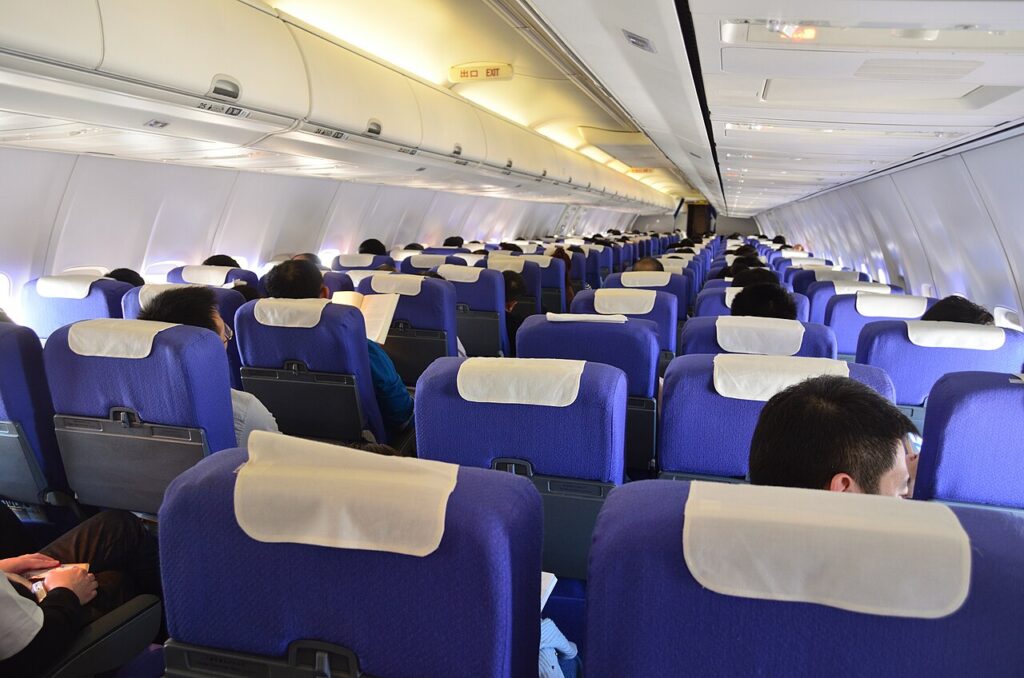
Sleeping on a plane is difficult because the environment works against normal sleep: noise, light, an upright seat, interruptions, dry air and a body clock that may still be running on home time. You may not get a perfect night’s sleep in the air, but you can improve the odds of getting useful rest.
The most important strategy is timing. Decide whether you should sleep based on the destination clock, then make the seat, light and noise environment as sleep-friendly as possible. Avoid treating alcohol or unprescribed sedatives as a shortcut.
Start with destination time
As soon as you board, switch your phone or watch to the destination time. If it is nighttime there, try to create a sleep window. If it is daytime, staying awake may help your body adjust faster after arrival.
This matters most when crossing several time zones. Our jet lag recovery guide explains how sleep timing and light exposure work together.
Choose your seat strategically
A window seat can make sleep easier because you can lean against the side of the aircraft and are less likely to be disturbed by seatmates getting up. An aisle seat makes it easier to walk and stretch, which can be useful on very long flights. The best choice depends on whether uninterrupted rest or easy mobility matters more to you.
If you are at increased risk of blood clots, mobility may be especially important. The CDC advises long-distance travelers to move their legs and walk periodically when possible.
Use a supportive neck position
A travel pillow should support your head rather than push it forward. Many people do better when the pillow supports the side of the neck or when the thicker section sits under the chin. Experiment at home before travel if possible.
Avoid sleeping with the head hanging sharply forward for hours, which can leave the neck sore after landing.
Recline when allowed
A small recline can reduce the effort needed to hold your head and torso upright. Follow crew instructions and be considerate during meal service. If you cannot recline, slide your hips back into the seat and support the lower back with a small folded blanket or jacket.
Block light aggressively
Light is one of the strongest signals to the circadian system. An eye mask can make a major difference, especially when cabin lighting, screens or sunrise do not match the destination sleep period.
If your goal is to sleep, reduce screen brightness and stop scrolling before you settle down. If your goal is to stay awake because it is daytime at your destination, light exposure can be useful.
Reduce noise
Earplugs, noise-isolating earbuds or noise-canceling headphones can reduce the unpredictable sounds that repeatedly pull you out of light sleep. Use a volume that is safe and comfortable, and make sure you can still respond to important crew announcements when required.
Dress for temperature changes
Cabin temperature can fluctuate. Wear layers so you can adjust without fully waking. Socks, a light sweater and breathable clothing are often more practical than one heavy layer.
Do not go to bed extremely hungry
Hunger can make it harder to fall asleep, but a huge meal immediately before reclining can worsen reflux and discomfort. A moderate meal or small snack is usually a better compromise.
Our pre-flight food guide covers simple meal ideas.
Time caffeine carefully
Caffeine can remain active for hours. If you plan to sleep during the first half of the flight, avoid loading up on coffee at the gate. If you need to stay awake because it is daytime at your destination, caffeine can be useful earlier in that destination day.
The goal is not to eliminate caffeine forever; it is to stop using it at a time that directly conflicts with the sleep window you want.
Alcohol usually worsens sleep quality
Alcohol can make you sleepy initially but tends to fragment sleep and can worsen dehydration, snoring and reflux. Using several drinks as a sleep aid is more likely to produce poor-quality rest than restorative sleep.
Be cautious with sleep medications
Prescription sleep medication should only be used as directed by a healthcare professional. Long periods of sedation can reduce mobility, and some medicines can cause confusion or next-day impairment. Do not experiment with a new sedative for the first time on an aircraft.
Melatonin may help some travelers with circadian timing, especially for certain eastward trips, but timing matters. People who take other medications, are pregnant or have medical conditions should ask a clinician before using it.
Set up your essentials before you try to sleep
Put your eye mask, earplugs, water and any needed medication within easy reach. Fasten your seatbelt over your blanket or clothing so crew can see it without waking you if the seatbelt sign comes on.
Use the bathroom before settling down
One practical reason people wake repeatedly is simply needing the bathroom. Go before creating your sleep setup, especially if you have had a large drink shortly before boarding.
Hydrate normally, not excessively
The cabin is dry, but drinking huge amounts right before your sleep period can guarantee repeated bathroom trips. Drink regularly throughout the travel day and use thirst as a guide.
What if you cannot fall asleep?
Do not turn the flight into a battle. Resting quietly with eyes closed is still better than spending hours frustrated. Try slow breathing, an audiobook or calm music. If you remain wide awake for a long time, get up when safe, stretch, then try again later.
Should you sleep the whole flight?
Not necessarily. Sleeping for most of a westbound daytime arrival can make it harder to stay awake until local bedtime. The best sleep plan depends on the route, departure time and destination clock.
Our east vs west jet lag guide explains why direction changes the strategy.
Move during long flights
Sleeping should not mean remaining completely immobile for the entire journey. On long flights, the CDC recommends leg movement and periodic walking when possible. Flex your ankles and calf muscles while seated and get up when it is safe and practical.
What about compression socks?
Compression stockings may be recommended for some people at increased risk of travel-associated blood clots, but they are not necessary for everyone. If you have a previous clot, recent surgery, pregnancy, active cancer or other major risk factors, discuss travel prevention with a healthcare professional.
Use a short nap strategically after landing
If you arrive exhausted, a short nap can restore alertness, but a long late-afternoon sleep may make the first local night harder. Try to stay awake until a reasonable local bedtime when it is safe to do so.
Do not drive if you are severely sleepy
Jet lag and sleep loss impair attention and reaction time. If you are struggling to stay awake after landing, do not drive. Use public transport, a taxi, a rideshare or ask someone else to drive.
A simple in-flight sleep routine
- Set your clock to destination time.
- Eat a moderate meal if needed.
- Use the bathroom.
- Put on your eye mask and noise protection.
- Support your neck and lower back.
- Keep the seatbelt visible.
- Use slow breathing for a few minutes.
- If sleep does not come, rest rather than forcing it.
Frequently asked questions
What is the best seat for sleeping on a plane?
A window seat usually reduces interruptions and offers a surface to lean against, while an aisle seat improves mobility. Choose based on your priorities and health needs.
Is it okay to take melatonin on a plane?
It can help some travelers with circadian timing, but dose and timing matter. Ask a healthcare professional if you take medications or have medical conditions.
Does alcohol help you sleep on a plane?
It may make you drowsy, but sleep quality is usually worse and dehydration or reflux can increase.
How can I sleep in economy?
Focus on controllable factors: light, noise, neck support, clothing layers, caffeine timing and destination-time scheduling.
Bottom line
You do not need perfect sleep on a plane to arrive functional. Align sleep with destination time, block light and noise, support your neck, time caffeine carefully and avoid relying on alcohol or unprescribed sedatives. On long flights, balance rest with periodic movement. The goal is useful sleep and a smoother transition to the destination, not eight uninterrupted hours in an airplane seat.