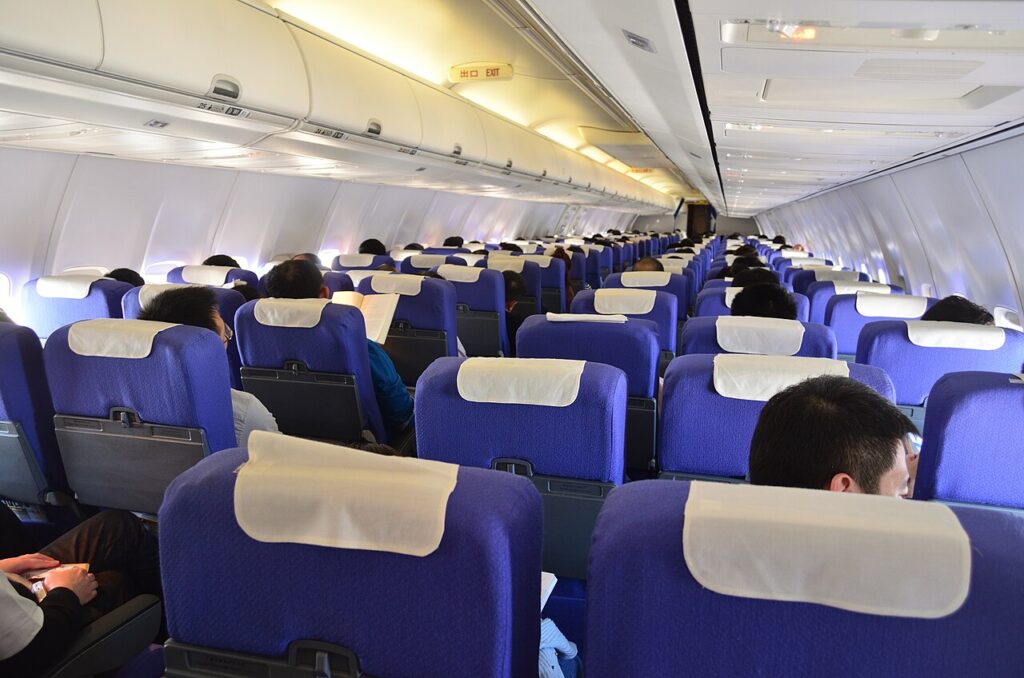
After a long flight, the temptation to fall into bed for several hours can be strong. Whether that helps depends on the time you arrive, how much sleep you missed, and how far your body clock is from local time. A nap can take the edge off exhaustion, but a long or late nap may make the first local night harder.
Short naps are usually easier to fit into arrival day
The CDC Yellow Book notes that short daytime naps can help sustain alertness after travel, while longer daytime naps may interfere with nighttime sleep. If you arrive during the local morning or early afternoon and feel unable to function, a brief rest can be more practical than forcing yourself to stay awake while miserable.
Think of a nap as a tool for alertness, not a replacement for the coming night. Many travelers do better with roughly 20 to 30 minutes rather than a multi-hour sleep.
Arrival time matters
If you land in the morning, a short nap earlier in the day may leave enough time to build sleep pressure before bedtime. If you arrive in the late afternoon or evening, it may be better to stay awake, eat a moderate meal, get settled and aim for the local bedtime.
For a broader strategy, read our jet lag recovery guide.
Use light and movement after waking
When you get up from a nap, open the curtains or go outside if it is daytime. Natural light is a strong time cue for the body clock. Gentle movement, a shower and hydration can also help you shift out of the groggy feeling that sometimes follows sleep.
Do not treat extreme sleepiness as a contest
Staying awake at all costs is not always wise. If you are so sleepy that you cannot safely drive, navigate unfamiliar streets or make decisions, rest is more important than following a perfect jet-lag plan. Safety comes first.
What if you slept on the plane?
If you managed several hours of reasonable in-flight sleep, you may not need a nap at all. Try local daylight, a normal meal and a relaxed schedule first. Our sleep-on-a-plane guide explains how in-flight rest fits into the larger travel plan.
FAQ
Is a two-hour nap after a flight a bad idea?
It can make nighttime sleep harder, especially if taken late in the day. Shorter naps are generally easier to fit into the local schedule.
What if I arrive at night?
If it is already close to local bedtime, skip the nap and transition directly into a normal evening routine.
Can a nap cure jet lag?
No. Jet lag reflects a mismatch between your internal clock and local time. Naps can reduce sleepiness but do not instantly reset that clock.
Why naps can help and hurt at the same time
A nap reduces immediate sleepiness by lowering sleep pressure. That can be useful when you arrive exhausted, but the same effect can make it harder to fall asleep at local bedtime. The trade-off is simple: the longer and later the nap, the more likely it is to interfere with the night.
That does not make naps “bad.” It means they should be used deliberately. Think about what you need most: enough alertness to function safely for the next few hours, or maximum sleep pressure for the coming night.
A simple nap decision based on arrival time
Arriving in the morning
If you land early after very little sleep, a brief nap can be reasonable once you are settled. Keep it earlier rather than letting it drift into late afternoon. After waking, use daylight, eat on local time and move around.
Arriving around midday
You have more flexibility. If you are functioning reasonably well, staying awake may help you reach local bedtime naturally. If you are struggling to stay alert, a controlled short nap can make the rest of the day safer and more comfortable.
Arriving in the late afternoon
A long nap at this point can easily turn into several hours of sleep and leave you wide awake late at night. If possible, use a light meal, daylight or outdoor time, gentle movement and a calm evening routine to bridge the remaining hours.
Arriving in the evening or at night
Usually treat the arrival as bedtime rather than scheduling a separate nap. Eat only if you are hungry, reduce stimulation and transition into a normal local-night routine.
How long should a travel nap be?
Many travelers find a short nap around 20 to 30 minutes easier to recover from than a long sleep. A short nap may improve alertness while reducing the chance that you enter deeper sleep and wake feeling disoriented.
That is a practical guideline, not a medical rule. If you are severely sleep-deprived and have no need to preserve a strict bedtime, you may choose more rest. The key is to understand the consequence: a longer nap may shift more of your sleep into the daytime.
What is sleep inertia?
Sleep inertia is the groggy, heavy feeling that can occur immediately after waking. It can be more noticeable after longer naps or when you wake from deeper sleep. You may feel mentally slow for a short period even though the nap itself helped reduce sleepiness.
Give yourself time after waking before driving, making important decisions or starting demanding activity. Daylight, water, a shower and gentle movement can help you feel more awake, but the feeling usually fades with time.
Use an alarm with a clear purpose
If you choose a short nap, set an alarm before lying down. Place it where you need to move slightly to turn it off, and decide in advance what you will do next: open the curtains, wash your face, drink water or go outside.
Without a plan, it is easy to silence the alarm and drift into a much longer sleep, especially after an overnight flight.
Should you nap in a dark room?
If your goal is a short recovery nap, a quiet, dim room can make it easier to fall asleep. But once you wake, restore local daytime cues. Open the curtains or step outside if it is still daytime.
Do not spend the whole arrival day in a dark room simply because you feel jet-lagged. Daylight is one of the most important signals for the circadian system.
What if you cannot fall asleep for the nap?
Do not force it. Quiet rest can still be useful after a long journey. Lie down, close your eyes, reduce stimulation and give yourself a limited rest period. If sleep does not happen, get up and continue the day rather than repeatedly trying to nap for hours.
Caffeine and naps
Caffeine can improve alertness, but timing matters. If you drink coffee late in the local day, you may make the first night harder. If you normally use caffeine, earlier local daytime is usually easier to integrate with nighttime sleep.
Some people use a “coffee nap,” drinking caffeine just before a short nap so it begins to take effect around waking. This is not necessary, and it may be a poor choice if you are sensitive to caffeine or arriving later in the day.
Do not use alcohol to force a nap
Alcohol can make you feel drowsy but may fragment sleep and worsen dehydration. It is not a reliable jet-lag treatment. Combining alcohol with sedating medication can also be unsafe.
What if you are traveling with children?
Children may need more flexibility than adults after a long journey. A very tired child may benefit from a controlled rest period, but an extremely long late-afternoon sleep can make local bedtime difficult.
Use familiar routines, meals and daylight to guide the new schedule. Do not expect a child to adjust perfectly on the first day.
What if you have an important meeting?
If you must be alert for a meeting shortly after arrival, a short nap may be more useful than forcing yourself to stay awake. Allow time after waking for sleep inertia to pass before the meeting begins.
If you have a major presentation, driving task or safety-sensitive job, plan your travel so that you are not relying on a nap alone to overcome severe sleep deprivation.
Napping when you are not crossing time zones
Not every long flight causes jet lag. A long north-south flight can still produce sleep loss and fatigue without a major circadian shift. In that situation, the nap decision is mostly about recovering from missed sleep while preserving the upcoming night.
If local time is essentially the same as your body clock, you can follow your usual nap habits more closely.
Jet lag is more than tiredness
Jet lag occurs when your internal circadian clock is misaligned with local time. That is why one long nap cannot “cure” it. You may feel less sleepy temporarily, but your body clock still needs time and environmental cues to shift.
Light exposure, local meal timing, activity and a consistent local bedtime all contribute to adaptation. Naps are only one piece of the strategy.
How direction of travel changes the picture
Eastward and westward travel can feel different because the body may find it easier to delay sleep than to advance it. The number of time zones crossed also matters. A traveler shifting two hours may need little special planning, while someone crossing eight time zones may experience several days of adjustment.
For complex trips, especially those involving important performance or medical issues, the CDC Yellow Book provides more detailed guidance on jet lag and light timing.
Safety comes before the perfect schedule
If you are so sleepy that you are struggling to stay awake, do not drive or perform risky activities just to avoid a nap. Severe sleepiness impairs attention and reaction time. Rest first and adjust the schedule afterward.
Likewise, persistent extreme daytime sleepiness that continues beyond the expected travel period may deserve medical assessment, particularly if it occurs with loud snoring, witnessed breathing pauses or other sleep-related symptoms.
A practical arrival-day nap plan
- Check the local time and decide what bedtime you are aiming for.
- Assess how functional you are, not just how tired you feel.
- If needed, choose a short nap earlier in the local day.
- Set an alarm and plan what you will do after waking.
- Use daylight, food, hydration and gentle movement afterward.
- Avoid repeated naps throughout the day unless illness or safety requires more rest.
- Protect the local bedtime by limiting late caffeine and very long evening sleep.
FAQ
Is a two-hour nap after a flight a bad idea?
It can make nighttime sleep harder, especially if taken late in the day. A longer nap may still be appropriate if you are extremely sleep-deprived and safety is an issue, but understand that it may delay local bedtime.
What if I arrive at night?
If it is already close to local bedtime, skip a separate nap and transition directly into a normal evening routine.
Can a nap cure jet lag?
No. Jet lag reflects a mismatch between your internal clock and local time. Naps can reduce sleepiness but do not instantly reset that clock.
What if I wake from a nap feeling worse?
You may be experiencing sleep inertia. Give yourself some time, use daylight and gentle activity, and avoid immediately driving or doing something that requires sharp concentration.
Should I nap if I slept well on the plane?
Probably not automatically. Try daylight, food, hydration and a normal local-day schedule first. Nap only if you actually need it.
General wellness information only; seek medical advice for persistent or severe sleep problems.