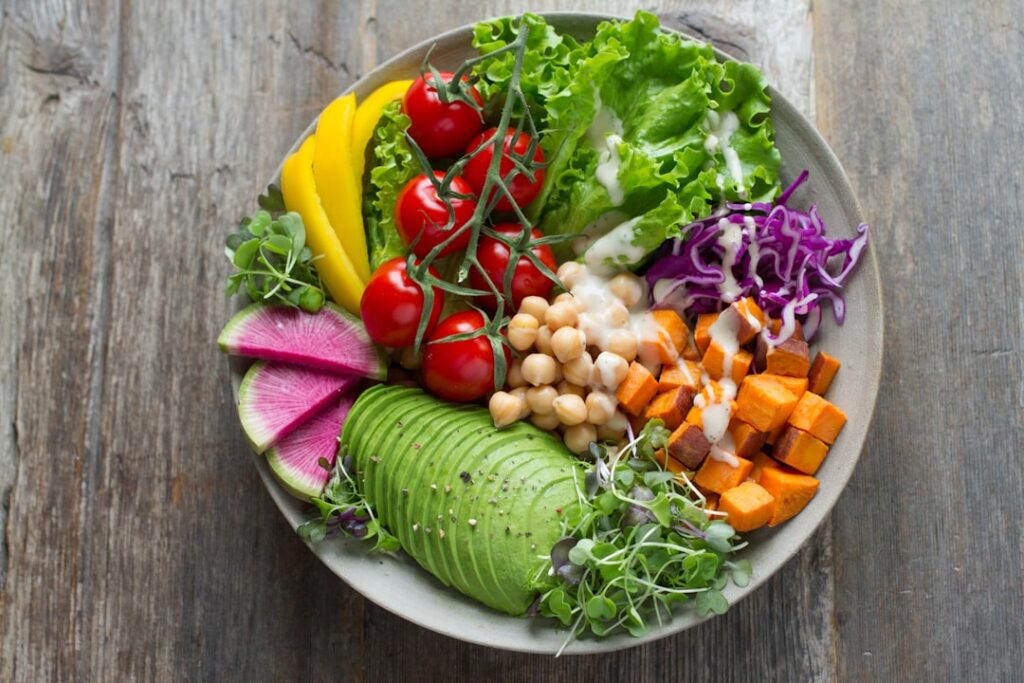
Plant protein foods include familiar options such as beans, lentils, chickpeas and tofu. You can try them in an ordinary meal without deciding to change your entire diet. Start with a food and preparation method you can realistically repeat.
What counts as a plant protein option?
The British Dietetic Association lists lentils, beans, chickpeas, nuts, seeds, nut butters, tofu and tempeh as protein-rich choices. It also notes that plant-based diets need planning; people excluding all animal foods need reliable vitamin B12 sources from fortified foods or supplements. This list is not a complete nutrition plan. Source: BDA plant-based diet guidance.
Choose by the meal you want to make
Rather than searching for a single “best” food, decide what job the ingredient needs to do. Do you want a sandwich filling, a warm main dish or something to add to a bowl? That question narrows the shopping decision.
- For a filling, consider a chickpea-based option with seasonings you enjoy.
- For a warm dish, consider a lentil or bean recipe already familiar in your household.
- For a bowl or stir-fry, consider tofu prepared according to the package instructions.
These are original planning ideas, not recipes with calculated protein totals. Ingredient amounts and the rest of the meal still matter.
Compare products fairly
If you compare two packaged foods, use equivalent portions and check the whole label. A front-of-pack “plant-based” description does not answer questions about allergens, ingredients or how much protein your chosen serving provides.
Avoid comparing dry lentils with a prepared tofu meal without acknowledging the different quantities and preparation states. Record whether values refer to dry, cooked or ready-to-eat food.
Make a small trial useful
Buy an amount you can use, select a recipe before shopping and write down whether you liked the result. If texture is the obstacle, a different preparation may suit you better than abandoning the ingredient after one attempt.
Keep allergy information in view. Plant foods are not automatically suitable for every person, and product formulations can differ.
When to get individualized help
If you plan to exclude major food groups, have a medical diet, or need guidance for pregnancy or a child, speak with a registered dietitian or other appropriate clinician. Protein is one part of nutrition, not the only requirement.
The first step can remain simple: choose one familiar meal, try one suitable protein option, and learn what works in your kitchen.
Related reading
- High-Fiber Foods: Practical Ways to Add Them to Everyday Meals
- Meal Prep Food Safety: How Long Can Meals Stay in the Fridge?
- Explore all wellness guides
Prepared for Tranquilla Wellness with AI assistance. Sources checked September 13, 2026. General education; no independent clinical review is claimed. Read our editorial standards.
Featured photo: Anna Pelzer / Unsplash.