A serving size is the reference quantity on a label; a portion is the amount you choose to eat. They can match, but they do not have to. Understanding the difference makes a food label useful without turning it into a rule about how much every person should eat.
What a US serving size means
The FDA explains that serving sizes reflect amounts people typically consume, rather than amounts they should consume. A package can contain more than one serving, and nutrition information is usually shown per serving, though some panels also show a whole-package column. Source: FDA serving size guidance.
Use a simple multiplier
Imagine a package that lists 180 calories and 6 grams of protein per serving. If your portion contains one-and-a-half servings, that is 270 calories and 9 grams of protein. The arithmetic is 180 × 1.5 and 6 × 1.5. These invented values explain the method; they do not describe a real product or a recommended meal.
If the package already provides a whole-container column and you eat the whole container, read that column rather than multiplying it again.
Check the basis before calculating
- Is the quantity in grams, pieces, cups or another unit?
- Does the panel describe the food dry, prepared or as sold?
- How many label servings are in the amount you use?
- Are you reading the per-serving or per-package column?
A familiar bowl is not automatically the same size as the serving printed on a packet. Use a suitable measure if you need a closer estimate, rather than assuming that every bowlful equals one serving.
Use the calculation for a decision
You might compare the cost and nutrition of two foods you regularly buy, or understand how much of a packaged ingredient goes into a recipe. Start with the question you want to answer. You do not need to calculate every item you eat to learn the distinction.
For a shared dish, note the ingredient quantities and how many portions the finished dish actually makes. A recipe saying “serves four” does not tell you whether your household divided it equally.
Keep individual needs separate
The label does not know your appetite, activity, age or medical circumstances. It cannot prescribe an appropriate portion for you. If a clinician or dietitian has given you a plan, ask how its portions relate to the labels you use.
Readers outside the US may see per-100-gram information or other formats. Match the local unit and quantity before applying the same arithmetic.
Related reading
- How to Read a Nutrition Label: A Simple US Grocery Guide
- Added Sugar vs. Total Sugar: What the Food Label Means
- Explore all wellness guides
Prepared for Tranquilla Wellness with AI assistance. Sources checked September 13, 2026. General education; no independent clinical review is claimed. Read our editorial standards.
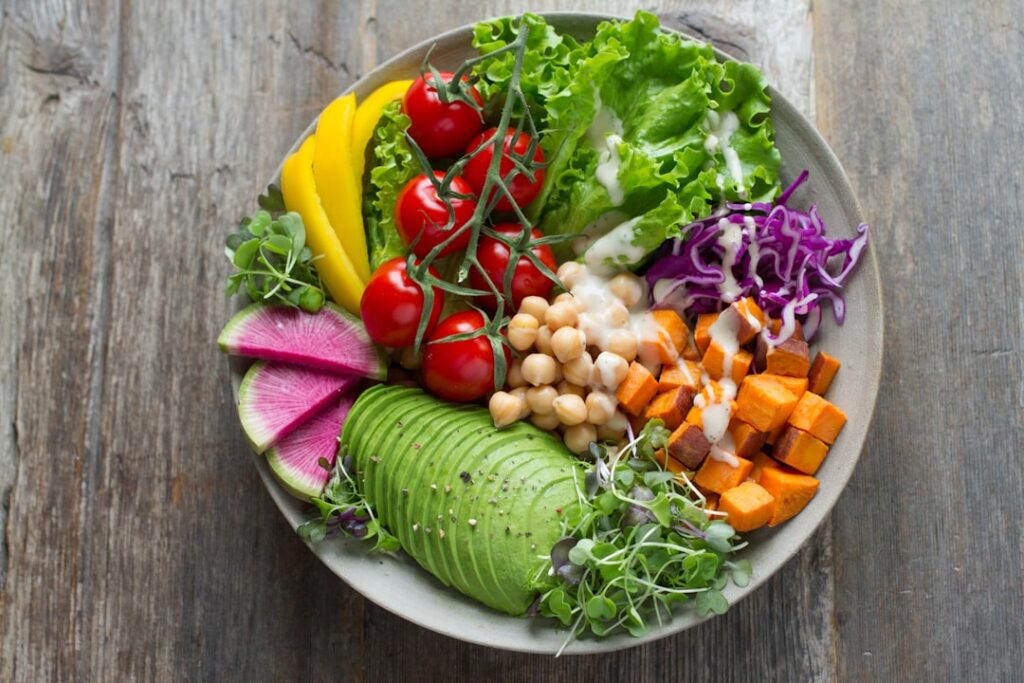
Featured photo: Anna Pelzer / Unsplash.