Do not assume every meal you cook on Sunday can safely remain refrigerated until the following weekend. Storage limits depend on the food and how it was handled. Plan the refrigerator and freezer space before choosing how much to cook.
Common refrigerator limits
FoodSafety.gov lists three to four days for refrigerated soups, stews and cooked meat or poultry leftovers at 40°F (4°C) or below. Other foods have different limits, so check the relevant item rather than applying one number to everything. The guidance assumes appropriate handling and refrigeration. Source: FoodSafety.gov cold storage chart.
Cooling matters as much as the date
Official guidance says to refrigerate perishable food within two hours, or within one hour above 90°F (32°C). Place leftovers in shallow containers and refrigerate promptly. Keep raw ingredients separate from ready-to-eat food, and use a food thermometer and the appropriate cooking-temperature guidance. Source: FoodSafety.gov food safety steps.
Make a storage plan before cooking
- Count how many meals you expect to eat soon.
- Check the storage guidance for the specific foods.
- Decide which suitable portions will be frozen promptly.
- Check that you have enough containers and cold storage space.
- Write the preparation date and intended use on each container.
Do not label a container simply “lunch.” A date and contents make it easier for anyone in the household to understand what it is and when it was prepared.
A planning example
If you cook several portions of a stew, put the meals for the near term in the refrigerator within the applicable storage window. Freeze suitable later portions promptly instead of leaving them in the refrigerator all week. The exact plan depends on ingredients, handling and local guidance.
Choose the later meals before filling the freezer so you know when you intend to use them. A written plan also reduces the chance of repeatedly moving an unidentified container between shelves.
Transport is part of the plan
A meal-prep schedule must include the journey to work and access to refrigeration. Ask whether a refrigerator is available and arrange appropriate cold storage during travel. Do not count a meal as continuously refrigerated if it spent hours on a desk or in a hot car.
When to discard rather than guess
If storage history is uncertain or the food was left outside safe conditions, do not rely on the date sticker to make it safe. Consult the official guidance for the situation. Meal preparation saves effort only when safe handling remains part of the process.
Related reading
- Plant Protein Foods: A Beginner’s Guide to Everyday Options
- Serving Size vs. Portion Size: Understand What You Actually Eat
- Explore all wellness guides
Prepared for Tranquilla Wellness with AI assistance. Sources checked September 13, 2026. General education; no independent clinical review is claimed. Read our editorial standards.
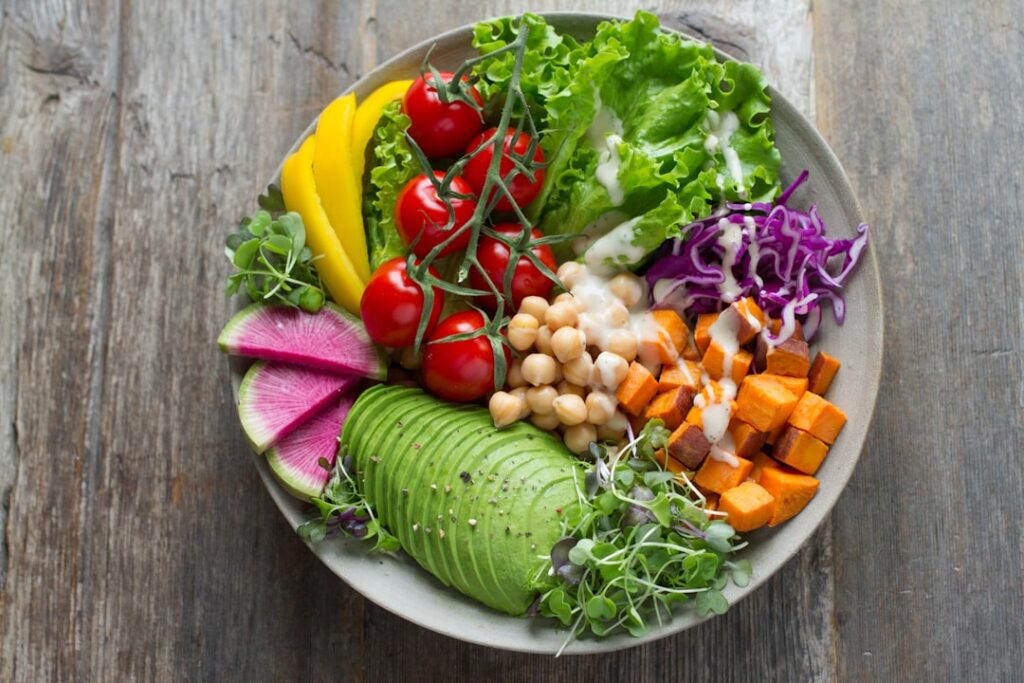
Featured photo: Anna Pelzer / Unsplash.