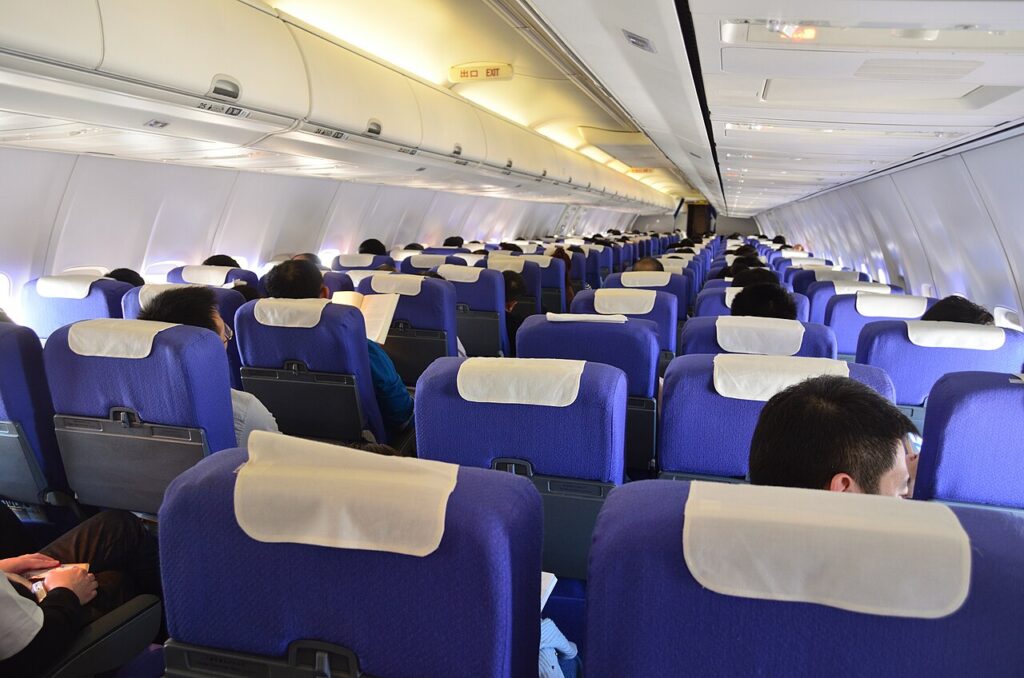
After a long flight, the temptation to fall into bed for several hours can be strong. Whether that helps depends on the time you arrive, how much sleep you missed, and how far your body clock is from local time. A nap can take the edge off exhaustion, but a long or late nap may make the first local night harder.
Short naps are usually easier to fit into arrival day
The CDC Yellow Book notes that short daytime naps can help sustain alertness after travel, while longer daytime naps may interfere with nighttime sleep. If you arrive during the local morning or early afternoon and feel unable to function, a brief rest can be more practical than forcing yourself to stay awake while miserable.
Think of a nap as a tool for alertness, not a replacement for the coming night. Many travelers do better with roughly 20 to 30 minutes rather than a multi-hour sleep.
Arrival time matters
If you land in the morning, a short nap earlier in the day may leave enough time to build sleep pressure before bedtime. If you arrive in the late afternoon or evening, it may be better to stay awake, eat a moderate meal, get settled and aim for the local bedtime.
For a broader strategy, read our jet lag recovery guide.
Use light and movement after waking
When you get up from a nap, open the curtains or go outside if it is daytime. Natural light is a strong time cue for the body clock. Gentle movement, a shower and hydration can also help you shift out of the groggy feeling that sometimes follows sleep.
Do not treat extreme sleepiness as a contest
Staying awake at all costs is not always wise. If you are so sleepy that you cannot safely drive, navigate unfamiliar streets or make decisions, rest is more important than following a perfect jet-lag plan. Safety comes first.
What if you slept on the plane?
If you managed several hours of reasonable in-flight sleep, you may not need a nap at all. Try local daylight, a normal meal and a relaxed schedule first. Our sleep-on-a-plane guide explains how in-flight rest fits into the larger travel plan.
FAQ
Is a two-hour nap after a flight a bad idea?
It can make nighttime sleep harder, especially if taken late in the day. Shorter naps are generally easier to fit into the local schedule.
What if I arrive at night?
If it is already close to local bedtime, skip the nap and transition directly into a normal evening routine.
Can a nap cure jet lag?
No. Jet lag reflects a mismatch between your internal clock and local time. Naps can reduce sleepiness but do not instantly reset that clock.
General wellness information only; seek medical advice for persistent or severe sleep problems.