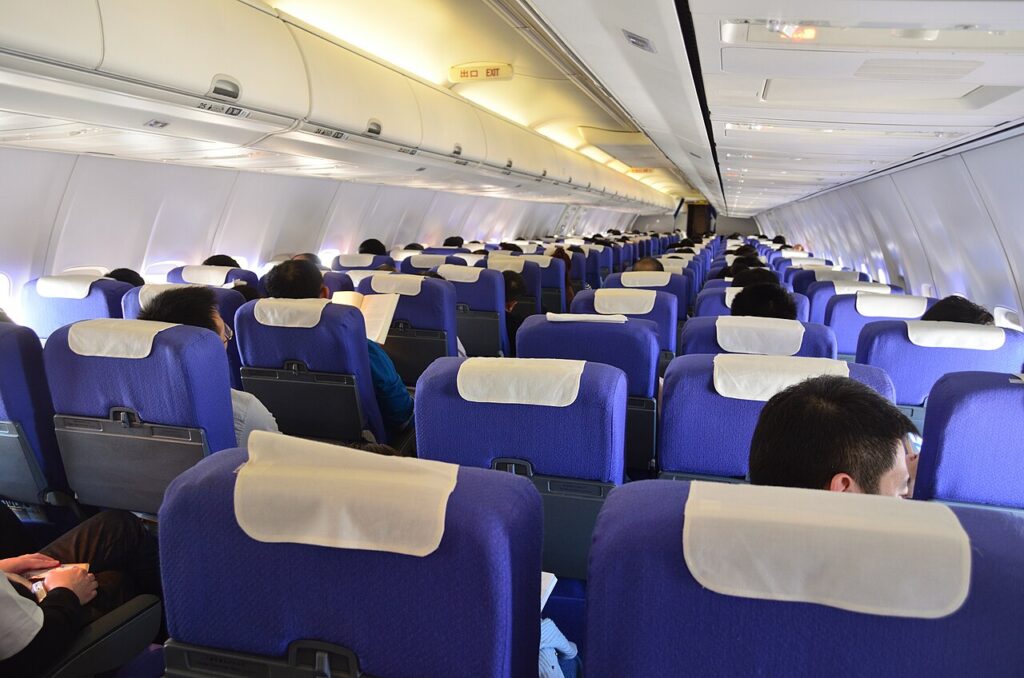
A comfortable long flight often starts before you reach the airport. The day before travel is a useful window for getting your sleep, meals, hydration and packing into a calmer rhythm. You do not need a complicated travel detox or an extreme routine. The goal is simply to reduce avoidable stress and arrive at the airport reasonably rested, fed and organized.
Protect the night before your flight
Starting a travel day already sleep-deprived can make fatigue feel worse. Keep your evening as normal as possible, avoid pushing bedtime dramatically later just to finish packing, and give yourself enough time for your usual sleep opportunity. If your trip crosses several time zones, you can begin gently shifting your schedule toward destination time rather than making a sudden change.
If sleep is difficult, use familiar habits rather than experimenting with new supplements or sedatives immediately before travel. Our guide to sleeping on a plane explains how to plan in-flight rest without turning the journey into an all-or-nothing sleep challenge.
Hydrate normally, not aggressively
Drink fluids regularly during the day, but there is no need to force large amounts of water. Very high intake can simply mean more bathroom trips and may not make the flight more comfortable. A practical target is to arrive at the airport neither thirsty nor overly full of fluid.
Alcohol can interfere with sleep quality and may worsen dehydration-related discomfort, so keeping it low the day before travel is sensible. If you normally drink caffeine, avoid suddenly doubling your intake to prepare for a long day.
Keep meals familiar
The day before a flight is usually not the best time for an unusually heavy meal, extreme diet change or foods you already know upset your stomach. Choose normal portions with familiar carbohydrates, protein, vegetables or fruit, and enough fluids. If your flight is early, plan breakfast or a portable snack in advance so you are not relying entirely on airport food.
For more detail, see what to eat before a long flight.
Move, but do not exhaust yourself
A normal walk, light mobility work or your regular training is fine if it leaves you feeling good. The day before travel is not the ideal time for a punishing new workout that leaves your legs extremely sore before hours of sitting. If you have been inactive, even a relaxed walk can help you feel less stiff before the journey.
Pack for comfort rather than perfection
Keep the items you will actually use within reach: medication, travel documents, a refillable bottle for after security, charging cable, headphones, a light layer, basic toiletries and any medically necessary compression garment recommended for you. Our carry-on wellness kit gives a simple checklist.
Plan movement during the journey
Long periods of sitting are uncomfortable for many travelers. The CDC notes that extended immobility during long-distance travel can increase blood-clot risk in some people, particularly those with additional risk factors. Plan to change position, move your ankles and legs, and get up when it is safe and practical. If you have a personal history of blood clots, recent surgery, pregnancy, cancer treatment or another known risk factor, individualized medical advice is more appropriate than generic travel tips.
Reduce the number of decisions on travel day
Check transport to the airport, luggage limits, passport location, boarding time and any required documents before you go to bed. A calmer travel morning is easier when you are not searching for chargers or repacking at the last minute.
A simple day-before-flight checklist
- Keep a normal sleep opportunity.
- Drink fluids regularly.
- Choose familiar meals.
- Do light or normal movement.
- Pack essential items where you can reach them.
- Confirm transport and travel documents.
- Avoid testing new sleep aids or extreme routines.
FAQ
Should I exercise the day before a long flight?
Usually, normal light-to-moderate activity is reasonable if you are used to it. Avoid unusually intense exercise that leaves you very sore for travel.
Should I stay awake late so I sleep on the plane?
Deliberately depriving yourself of sleep can backfire and make travel feel harder. A more conservative approach is to protect your normal sleep and adjust gradually when needed.
How early should I start preparing?
Most practical preparation can be done the day before, although sleep timing for major time-zone changes may be adjusted over several days.
Related guide: How to recover after a long flight.
This article provides general wellness information and is not medical advice.