Quick answer: High-protein, lower-carbohydrate foods can include eggs, fish, chicken, turkey, lean meat, shrimp, cottage cheese, Greek yogurt, tofu, tempeh, and some other soy foods. The exact carbohydrate content depends on the product and preparation.
“Low carb” does not mean “healthier” for everyone, and carbohydrates are not inherently bad. The useful goal is to choose foods that fit your overall eating pattern, medical needs, and preferences.
Animal-based options
- Eggs and egg whites.
- Chicken and turkey.
- Fish and shellfish.
- Lean beef or pork.
- Plain Greek yogurt.
- Cottage cheese.
Preparation matters. Breading, sweet sauces, and large portions of sugary marinades can add carbohydrate.
Plant-based options
Tofu and tempeh are useful higher-protein choices with relatively modest carbohydrate content. Seitan is also protein-rich, although it is made from wheat gluten and is unsuitable for people with celiac disease or gluten-related restrictions.
What about beans and lentils?
Legumes provide valuable protein, fiber, vitamins, and minerals, but they also contain more carbohydrate than meat, fish, or eggs. That does not make them a poor food. Whether they fit a lower-carbohydrate plan depends on the total diet and portion.
Build a balanced plate
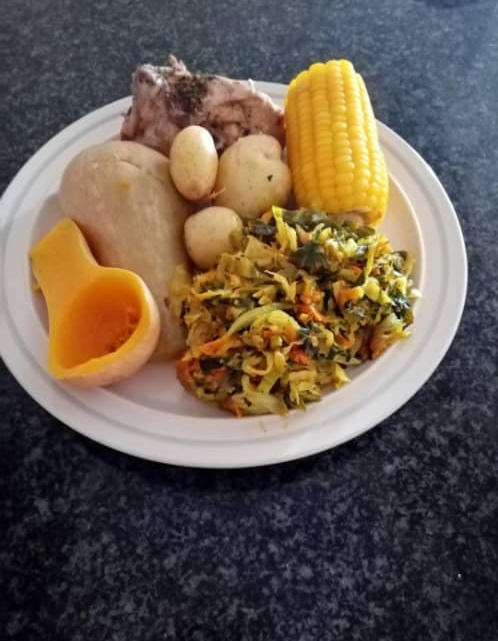
A high-protein meal can still include non-starchy vegetables, healthy fats, and a carbohydrate source when desired. For example, grilled fish with vegetables and potatoes is different nutritionally from fish alone, but neither approach is automatically right for everyone.
Watch the word “low-carb” on packaged foods
Marketing claims can distract from serving size, sodium, saturated fat, and overall ingredients. Read the nutrition label rather than choosing a product based only on a front-of-package claim.
Who should be cautious with high-protein diets?
People with kidney disease or other conditions that affect protein needs should follow individualized medical or dietetic advice. A high-protein diet is not automatically appropriate for every person.
Related Tranquilla guides
Source
This article is general nutrition education and is not a personalized diet prescription.