After a long flight, appetite and digestion can feel off. Cabin air is dry, meals may be irregular, and sitting for hours can leave you sluggish. A simple, balanced meal is usually a better choice than trying to compensate with a very heavy meal.
Planning before departure can make arrival easier too. See what to eat before a long flight for pre-flight meal timing, hydration and foods that may be easier on your stomach.
Start with fluids
Drink water gradually after landing. If you have had a lot of caffeine or alcohol, extra fluids may be useful. There is no need to force excessive amounts at once.
Choose an easy balanced meal
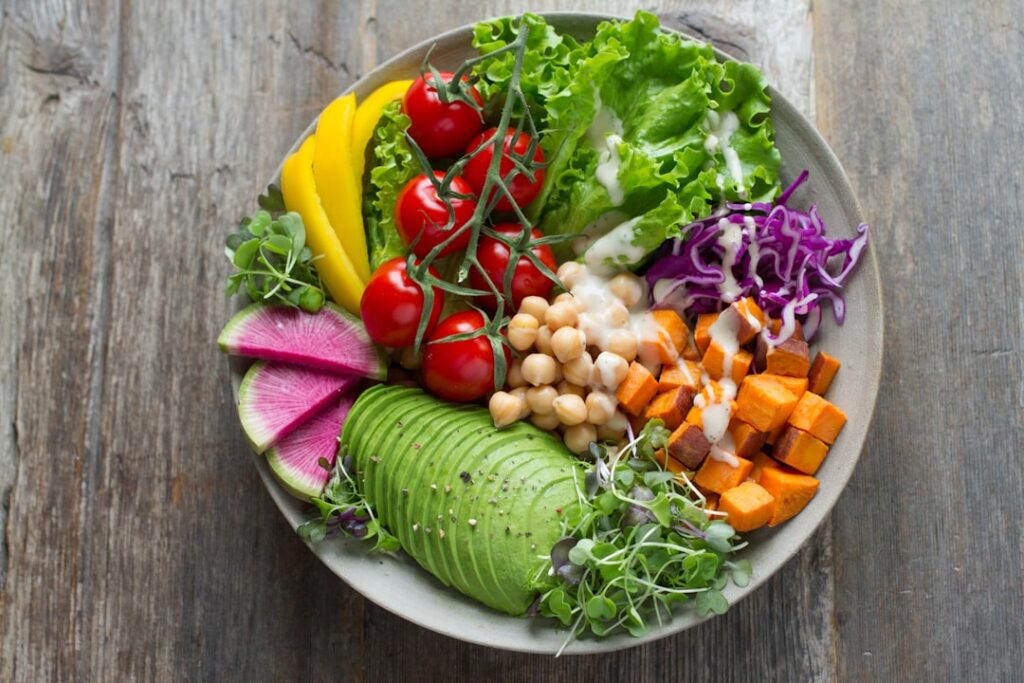
A useful template is protein plus vegetables or fruit plus a source of carbohydrates. Examples include eggs with toast and fruit, chicken with rice and vegetables, yogurt with oats and berries, or lentil soup with bread and salad.
Include fiber, but do not overdo it
Travel can contribute to constipation, so fruit, vegetables, oats, beans, and whole grains can help. If your stomach already feels bloated, increase fiber gradually rather than suddenly eating a very large amount.
Keep portions comfortable
After disrupted travel, a huge meal can worsen heaviness or reflux. Eat a moderate portion and have another meal later if you are still hungry.
Support recovery with movement
A gentle walk can help you return to a normal routine. See our guide on recovering after a long flight and travel constipation.
What should your first meal after landing include?
A practical post-flight meal does not need to be a special “detox” meal. Aim for a familiar combination that gives you fluid, protein, carbohydrate, and some fruit or vegetables without making digestion harder than necessary. A bowl with rice, grilled chicken or tofu, cooked vegetables, and a simple sauce can work well. So can soup with bread and yogurt, oatmeal with fruit and nuts, or eggs with toast and vegetables.
If your arrival time is close to the destination’s normal breakfast, lunch, or dinner period, eating something that resembles that local meal can also help you transition into the new schedule. The goal is not to force food when you are not hungry, but to begin returning to a regular pattern rather than continuing the irregular eating rhythm of the flight.
Protein can make the meal more satisfying
Travel days often involve snack foods that are easy to carry but low in protein. Including eggs, yogurt, fish, poultry, beans, lentils, tofu, or another protein source after arrival can make the meal more satisfying and help you return to a normal eating pattern. You do not need an unusually high-protein meal; a normal balanced portion is enough for most people.
If you are very hungry after a long travel day, eating protein together with carbohydrates and produce may be more comfortable than relying on sweets or refined snacks alone, which can leave some people hungry again soon afterward.
What if you feel bloated after the flight?
Bloating after flying is common and can be influenced by long periods of sitting, altered meal timing, carbonated drinks, constipation, and the types of foods eaten while traveling. If you feel uncomfortable, choose smaller portions and familiar foods first. Cooked vegetables, rice, soup, yogurt if you tolerate dairy, eggs, bananas, oats, or simple sandwiches may feel easier than a very rich buffet meal.
Avoid assuming that one specific food is automatically the cause. If bloating is frequent even when you are not traveling, or it is accompanied by severe pain, vomiting, blood in the stool, persistent diarrhea, unexplained weight loss, or another concerning symptom, seek medical advice.
For more practical guidance, see our article on why you may feel bloated after eating.
What about salty foods after flying?
Airline meals, packaged snacks, restaurant food, and airport meals can all be relatively high in sodium. You do not need to eliminate salt after landing, but choosing mostly ordinary, minimally processed foods and drinking according to thirst can help you move back toward your usual routine. Fruit, vegetables, yogurt, oats, rice, potatoes, beans, and simple protein sources are easy options.
If your feet or ankles are mildly puffy after sitting for many hours, movement and time may help. Significant one-sided swelling, pain, redness, chest pain, or shortness of breath should be treated as a medical concern rather than a nutrition issue. Read our guide to swollen feet after flying for general information and warning signs.
Should you drink an electrolyte beverage?
Most healthy travelers can rehydrate with water and normal meals. Electrolyte drinks can be useful in some situations, such as substantial sweating, vomiting, diarrhea, or prolonged activity in heat, but they are not automatically necessary after every flight. Many commercial drinks also contain a significant amount of sugar or sodium, so choose based on your actual needs rather than assuming they are always better than water.
If you have kidney disease, heart disease, high blood pressure that requires sodium restriction, or another condition that affects fluid balance, follow the advice of your healthcare professional rather than using a generic hydration plan.
How soon should you eat after landing?
You do not have to eat immediately after leaving the aircraft. If you are not hungry, have some water and wait until you can sit down for a comfortable meal. On the other hand, if you skipped meals during travel and feel weak or very hungry, a small snack followed by a balanced meal may be useful.
When crossing several time zones, try to move gradually toward the meal schedule at your destination. For example, if you land in the morning, a normal breakfast can help anchor the day. If you land late at night and are not hungry, a light snack may be more comfortable than a heavy dinner immediately before sleep.
Foods that are practical after a long flight
- Breakfast: oatmeal with fruit and yogurt; eggs with whole-grain toast; or yogurt with berries, oats, and nuts.
- Lunch: chicken, fish, tofu, or beans with rice or potatoes and vegetables.
- Dinner: soup with bread and a protein source, a simple rice bowl, or a moderate portion of a familiar meal.
- Snack: fruit with yogurt, a handful of nuts, a sandwich, or crackers with cheese or hummus.
There is no requirement to choose “clean” or perfect foods. Familiar, balanced, and easy-to-digest choices are often more useful after a tiring travel day than an elaborate nutrition plan.
Foods you may want to limit temporarily
If your stomach feels unsettled, very greasy meals, large portions, excessive alcohol, many carbonated drinks, and extremely spicy foods may be uncomfortable. This does not mean those foods are inherently bad; the point is to match the meal to how you feel after travel.
Caffeine can be useful for some travelers when trying to stay awake during the destination daytime, but large amounts late in the local day may interfere with sleep. If jet lag is a concern, see our jet lag east vs west guide and our practical jet lag tips.
A simple post-flight recovery routine
- Drink water gradually after landing.
- Have a moderate meal based on familiar foods when you are hungry.
- Include a protein source and some fruit or vegetables.
- Take a gentle walk if you feel comfortable.
- Move toward the destination’s normal meal and sleep schedule.
- Avoid trying to “make up” for travel with extreme dieting, fasting, or excessive exercise.
Frequently asked questions
Is fruit good after a long flight?
Fruit can be a convenient source of fluid, carbohydrate, fiber, and micronutrients. Pairing it with yogurt, nuts, eggs, or another protein source can make a snack or meal more satisfying.
Should I avoid carbohydrates after flying?
No. Carbohydrate foods such as oats, rice, potatoes, bread, and fruit can be part of a balanced post-flight meal. Portion and overall meal composition matter more than avoiding an entire nutrient category.
Is fasting after a flight helpful?
There is no need for most travelers to fast simply because they have been on a plane. If you are not hungry, you can wait until appetite returns, but an intentional extreme fast is not required for travel recovery.
What if I have no appetite after landing?
Start with fluids and a small familiar snack. Appetite often returns as your routine normalizes. Persistent loss of appetite, especially with other symptoms, deserves medical advice.
Bottom line
After a long flight, prioritize fluids, moderate portions, protein, produce, and familiar foods. Simple meals are usually easier on the body than heavy or highly processed choices. Move toward the destination’s normal meal schedule, use a gentle walk to reintroduce activity, and avoid turning post-flight recovery into a restrictive diet plan.