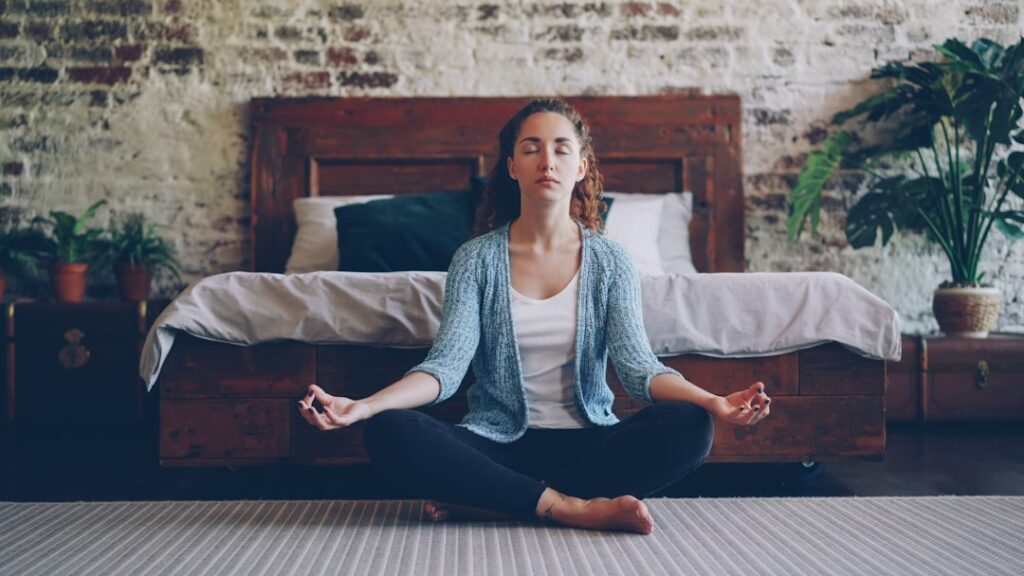
Stress is not only an emotion. It is a whole-body response designed to help you react to challenge, uncertainty or danger. In the short term, that response can be useful: heart rate rises, attention sharpens and energy becomes more available. Problems are more likely when stress is intense, frequent or persistent and the body has too little opportunity to recover. Then symptoms may show up in sleep, digestion, muscles, mood, appetite and daily function.
This guide explains what stress can do to the body, which signs are common, what you can do safely at home and when it is sensible to speak with a healthcare professional. It is educational rather than diagnostic; persistent or severe symptoms deserve individual assessment.
What happens in the body during stress?
When the brain perceives a threat or major demand, the autonomic nervous system and hormonal stress systems become more active. Adrenaline helps the body respond quickly, while cortisol supports energy availability over a longer period. Breathing may become faster, muscles may tense and the heart may pump more strongly. At the same time, activities that are less urgent for immediate survival, such as digestion or deep relaxation, may temporarily receive less priority.
Most people move in and out of this state throughout the day. The goal is not to eliminate every stress response. A healthier pattern is activation followed by recovery. Chronic stress can become a problem when activation stays high for long periods, especially when combined with poor sleep, inactivity, excessive alcohol, smoking, social isolation or an overwhelming workload.
1. Muscle tension, headaches and body aches
One of the most noticeable physical effects of stress is increased muscle tension. People often tighten the jaw, raise the shoulders or brace the back without noticing. Over hours or days, this can contribute to soreness, tension-type headaches and a feeling that the body is permanently “switched on.” Desk work can amplify the problem because stress and prolonged sitting often occur together.
Short movement breaks, gentle mobility work, slower breathing and changes in posture may help. If your main problem is upper-body tightness, our guide to why shoulders feel tight explains several everyday contributors. Sudden severe headache, weakness, confusion, fainting or neurological symptoms require prompt medical attention.
2. Sleep problems and morning fatigue
Stress often affects sleep in two directions: it can make falling asleep harder and it can make sleep lighter or more fragmented. Worry at night may keep the brain mentally active even when the body feels exhausted. Some people fall asleep normally but wake early and cannot settle again. Others sleep for enough hours yet wake feeling unrefreshed.
A consistent wake time, a quieter pre-bed routine, dimmer evening light and dealing with stimulating tasks earlier in the day can help. If you frequently wake during the night, see our guide on common reasons for nighttime waking. Persistent insomnia, loud snoring, breathing pauses, severe daytime sleepiness or sleep problems that impair work or driving should be discussed with a clinician.
3. Digestive changes
The brain and digestive system communicate constantly. Stress can alter gut movement, appetite and the way digestive sensations are perceived. Some people notice nausea, loose stools or an urgent need to use the bathroom; others become constipated or feel bloated. Stress can also change eating patterns, leading to skipped meals, rapid eating or more highly processed comfort foods.
Regular meals, enough fluids, fiber from a variety of plant foods and moderate movement can support digestion. If digestive symptoms are persistent, involve blood in the stool, unexplained weight loss, repeated vomiting or severe pain, do not assume stress is the cause. Those signs need medical assessment. For broader lifestyle support, see how to improve gut health naturally.
4. Heart rate and blood pressure responses
During acute stress, heart rate and blood pressure can rise temporarily. That is part of the normal fight-or-flight response. A short-lived increase is not the same as a diagnosis of chronic high blood pressure. However, ongoing stress may indirectly affect cardiovascular health by influencing sleep, physical activity, eating, alcohol use and medication adherence.
If you have high blood pressure, stress reduction can be a useful part of an overall plan, but it should not replace prescribed treatment. Walking, regular sleep and relaxation techniques may complement medical care. Our article on brisk walking and heart health explains how moderate activity can fit into a realistic routine.
5. Appetite and cravings
Stress does not affect everyone’s appetite in the same way. Some people temporarily lose interest in food; others feel hungrier or crave energy-dense foods. Sleep disruption can intensify this pattern because inadequate sleep can make appetite regulation more difficult. Rather than trying to control stress eating with extreme restriction, it is usually more sustainable to build regular meals that include protein, fiber and minimally processed foods, then address the stress trigger itself.
If you constantly feel hungry even after meals, several factors besides stress may be involved. Our guide Why Am I Hungry All the Time? covers meal composition, sleep, activity and other common explanations.
6. Concentration, irritability and mental overload
Stress can narrow attention toward immediate problems. That can be useful during a short emergency, but sustained stress may make concentration, memory and decision-making feel harder. Small tasks can feel unusually demanding and patience may decrease. People sometimes interpret this as laziness or lack of discipline when the real issue is that cognitive resources are overloaded.
Reducing unnecessary demands, writing down priorities, taking short screen-free breaks and protecting sleep can help restore mental capacity. If low mood, anxiety, panic or loss of interest persists for weeks or significantly interferes with daily life, professional mental-health support can be valuable.
7. Jaw clenching and teeth grinding
Many people clench the jaw during focused work or stressful situations, and some grind their teeth during sleep. Morning jaw soreness, headaches, tooth sensitivity or a feeling of facial tightness can follow. Awareness is the first step: notice whether the teeth are touching when you are not eating. A relaxed resting position usually leaves the teeth slightly apart.
Recurrent grinding may need dental assessment, particularly if there is tooth wear, pain or clicking in the jaw. Stress management may help reduce one contributor, but dental or jaw problems should not be assumed to be psychological.
8. Skin changes and sweating
Stress can increase sweating and may aggravate some existing skin conditions in susceptible people. The relationship is complex: stress can alter behavior, sleep and inflammation, while visible skin symptoms can themselves become another source of stress. Gentle skin care, avoiding harsh products and keeping a symptom diary may help identify patterns. New widespread rash, facial swelling, breathing difficulty or signs of infection require appropriate medical care.
9. Why chronic stress can feel physically exhausting
Being “on alert” consumes energy. Poor sleep, sustained muscle tension and constant mental monitoring can leave the body feeling tired even if a person is not doing heavy physical work. This can create a cycle: fatigue reduces activity, reduced activity worsens sleep quality, and poor sleep lowers resilience to stress the next day.
A useful approach is to rebuild recovery rather than demand perfect productivity. Start with a consistent wake time, regular meals, daylight exposure, a manageable walking routine and short periods of genuine downtime. If fatigue is persistent, severe or accompanied by symptoms such as unexplained weight change, shortness of breath, fever or significant weakness, medical evaluation is important because many non-stress conditions can cause fatigue.
Practical ways to reduce the physical load of stress
There is no single technique that works for everyone, but several low-risk habits can reduce total stress load. Aim for regular movement rather than occasional extreme workouts. Use slow breathing for a few minutes when you notice tension. Protect sleep timing. Eat at reasonably predictable times. Reduce caffeine late in the day if it worsens anxiety or sleep. Spend time outdoors and maintain social contact with people who feel supportive rather than draining.
For a broader set of strategies, read our 15 evidence-informed stress management techniques. The most effective plan is usually the one that can be repeated consistently, not the most complicated one.
When should you seek medical help?
Stress can mimic or aggravate many symptoms, which is why it is important not to label every physical complaint as “just stress.” Seek urgent care for chest pain, severe shortness of breath, fainting, sudden weakness, signs of stroke, a severe new headache, suicidal thoughts or other rapidly worsening symptoms. Arrange a routine medical review when symptoms persist, repeatedly interrupt sleep, interfere with work, cause significant pain or lead to major changes in eating or weight.
If you already have a chronic medical condition, discuss stress-related symptoms with the clinician who manages it. Stress reduction can support health, but it does not replace diagnosis, medication or other treatments when those are needed.
Frequently asked questions
Can stress make you physically ill?
Stress can produce real physical symptoms such as muscle tension, headache, digestive changes and sleep disturbance. It may also influence behaviors that affect health. However, new or persistent symptoms should not automatically be attributed to stress without considering other causes.
How long do stress symptoms last?
Short-term symptoms may ease within minutes or hours after the stressor passes. When stress is ongoing, symptoms can persist much longer. Recovery often depends on both reducing the source of stress and improving sleep, activity and coping patterns.
Does exercise help stress?
Regular moderate activity can support mood, sleep and cardiovascular health. Walking is a practical starting point for many adults. Increase gradually if you are inactive or have health limitations.
Can massage reduce stress?
Massage can feel relaxing and may temporarily reduce perceived tension or soreness for some people. It should be viewed as a supportive wellness practice rather than a treatment for every medical symptom.
Bottom line
Stress can affect almost every part of daily wellbeing because the stress response involves the brain, nervous system, hormones, muscles and behavior. The most common effects include tension, sleep disruption, digestive changes, fatigue and difficulty concentrating. Small repeated recovery habits can make a meaningful difference, but persistent or alarming symptoms deserve professional assessment. Treat stress as one possible contributor, not as an explanation that automatically rules out other health conditions.