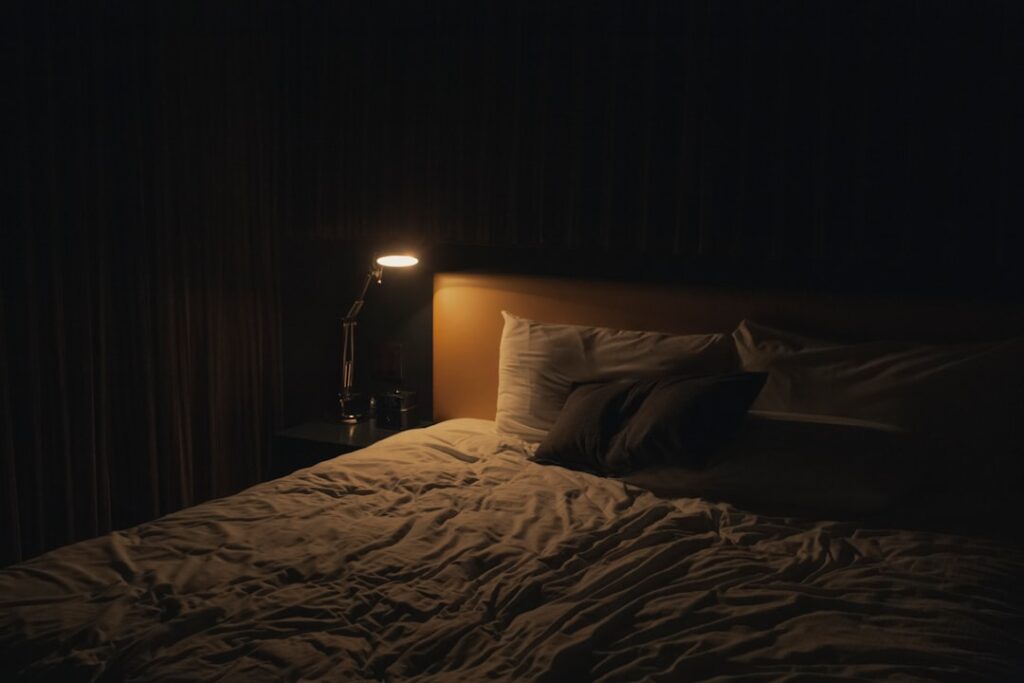
Stress and sleep have a two-way relationship. A stressful day can make the brain more alert at night, while a poor night of sleep can make ordinary problems feel harder the next day. Over time, the pattern can become self-reinforcing: you worry because you are not sleeping, then the worry itself makes sleep less likely.
The good news is that the stress-sleep cycle is not fixed. Understanding what happens in the body can help you choose simple, repeatable habits that reduce nighttime arousal without turning bedtime into another performance test. This guide focuses on practical, evidence-informed steps and explains when sleep problems deserve medical attention.
Why stress can keep you awake
Sleep requires a gradual shift from alertness toward rest. Stress pushes in the opposite direction. When the brain believes something important needs attention, the nervous system can remain activated. Heart rate may stay higher, muscles may feel tense and thoughts may become repetitive. Even when you are physically tired, the mind may continue reviewing conversations, deadlines, money worries or future scenarios.
This is one reason people sometimes say, “I am exhausted but wired.” The body needs sleep, but the alerting system has not fully switched off. Trying to force sleep can add another layer of pressure.
Stress can delay sleep onset
If your main problem is lying awake at the beginning of the night, pay attention to what happens during the final one to two hours before bed. Work messages, intense news, arguments, late caffeine and bright screens can all keep the brain engaged. Stress does not mean screens are always the cause, but a highly stimulating evening can make an already activated nervous system slower to settle.
A more useful goal than “fall asleep immediately” is to create a predictable transition. Dim lights, finish demanding tasks earlier, prepare tomorrow’s essentials and choose a low-stimulation activity. Consistency teaches the brain that bedtime is not the moment to solve the entire next day.
Stress can cause frequent nighttime waking
Some people fall asleep easily but wake several times. Normal sleep includes brief awakenings, but stress can make them longer because the mind quickly becomes active. You may wake at 2 a.m., remember a problem and immediately start planning or worrying. Once that happens, frustration often follows.
If this is familiar, avoid repeatedly checking the clock. Clock-watching can turn a normal awakening into a countdown about how little sleep remains. Use a quiet, low-light strategy instead. Our guide on how to fall back asleep after waking at night offers practical options.
Why you may wake up tired after a stressful week
Sleep duration is only one part of feeling restored. Stress can fragment sleep, shift bedtime later, encourage alcohol use or reduce daytime activity. A person may technically spend eight hours in bed but still have poor sleep quality. In addition, ongoing mental strain can make morning fatigue feel heavier.
If tiredness persists even when you allow adequate sleep, consider other explanations too. Snoring, sleep apnea, restless legs, anemia, thyroid problems, medication effects and depression can all affect energy. Our article Why Am I Tired All the Time Even After Sleeping? reviews common possibilities.
How poor sleep makes stress feel worse
After insufficient sleep, emotional regulation becomes more difficult for many people. Small frustrations can feel larger, concentration may decline and motivation can drop. That can create more unfinished work and more worry the following evening. Poor sleep may also increase cravings and reduce the desire to exercise, indirectly making stress management harder.
This is why improving sleep is not separate from stress management. The two goals support each other. You do not have to solve every life problem before sleep improves; even modest changes in routine can reduce vulnerability to stress.
1. Keep a consistent wake time
A regular wake time helps anchor the body clock. Sleeping much later after a bad night can feel helpful in the moment but may make it harder to become sleepy at the usual time the next evening. Aim for a wake time that is realistic most days, including weekends. If you need extra recovery, a short nap earlier in the day may be less disruptive than sleeping very late.
For people whose schedule has drifted, see how to fix your sleep schedule naturally.
2. Create a “worry window” before bedtime
Trying not to think about worries often makes them more persistent. Instead, set aside 10 to 20 minutes earlier in the evening to write down concerns and the next practical action for each one. You are not required to solve everything. The purpose is to give the brain a defined time for planning so it does not need to do all the planning in bed.
If a worry returns later, remind yourself that it is already written down and can be revisited tomorrow. This simple boundary can reduce mental rehearsal.
3. Use movement during the day
Regular physical activity can support sleep and stress regulation. It does not need to be intense. Walking is accessible for many adults and can provide both movement and a psychological break from screens. If you are inactive, start with a comfortable duration and build gradually. Our 30-minute walking guide explains how a daily walking habit can support general health.
4. Be strategic with caffeine
Caffeine can be useful for alertness, but it can remain active for hours. People differ in sensitivity, so there is no universal cutoff that works for everyone. If you struggle with sleep, experiment with moving your last caffeinated drink earlier in the day for one to two weeks and observe whether sleep onset improves.
Do not compensate for chronic sleep loss by continually increasing caffeine. That can produce a cycle of daytime stimulation and nighttime difficulty.
5. Avoid using alcohol as a sleep tool
Alcohol may make some people feel sleepy initially, but it can disrupt sleep later in the night and increase awakenings. Relying on alcohol to “switch off” after stressful days can therefore make the stress-sleep cycle worse. If drinking has become your main coping method, consider discussing alternatives with a healthcare professional.
6. Lower stimulation rather than chasing perfect relaxation
You do not need to achieve a perfectly calm mind before bed. That expectation can create pressure. Instead, lower stimulation step by step: reduce work, lower lighting, silence unnecessary notifications, take a warm shower, read something undemanding or practice slow breathing. The direction matters more than perfection.
7. Use breathing as a downshift, not a test
Slow breathing with a slightly longer exhale may help some people feel less activated. Try a comfortable pattern for a few minutes without forcing unusually deep breaths. If counting makes you anxious, simply breathe more slowly. The goal is not to “knock yourself out” but to signal that immediate action is not required.
8. Get out of bed if frustration builds
If you are wide awake and increasingly frustrated, staying in bed for a long period may strengthen the association between bed and wakefulness. In that situation, get up briefly and do a quiet activity in dim light. Return to bed when sleepiness increases. Avoid turning the break into work, social media or bright-screen entertainment.
When stress-related sleep problems need help
Seek professional advice when insomnia lasts for weeks, significantly affects daytime function or repeatedly causes safety problems such as drowsy driving. Medical review is also important for loud snoring, witnessed breathing pauses, choking during sleep, severe restless legs, unusual nighttime behaviors or persistent fatigue despite adequate opportunity for sleep.
Stress may contribute to insomnia, but it should not become a reason to ignore other sleep disorders or medical conditions.
Frequently asked questions
Can stress make you wake up at 3 a.m.?
Stress can contribute to nighttime waking, but a specific clock time does not identify a particular cause. Light, noise, alcohol, temperature, sleep disorders and normal sleep cycles can also play a role.
How long does stress insomnia last?
Short-term sleep disruption may improve after the stressful event passes. If insomnia becomes habitual, it can continue even after the original stress has eased. Persistent insomnia responds best to a structured approach rather than simply waiting.
Should I stay in bed if I cannot sleep?
If you are calm and resting, staying in bed briefly may be fine. If you become frustrated and fully alert, a short period out of bed doing something quiet can help rebuild the bed-sleep association.
Does exercise help stress-related insomnia?
Regular activity may support sleep and stress regulation. Choose a level that matches your health and fitness. Some people find very intense late-night exercise stimulating, while others tolerate it well.
Bottom line
Stress can interfere with falling asleep, staying asleep and feeling refreshed. Poor sleep then lowers resilience to stress, creating a cycle. The most useful response is usually a combination of regular wake time, daytime movement, reduced evening stimulation, sensible caffeine habits and a calmer way of responding to nighttime wakefulness. If symptoms persist or suggest a sleep disorder, get professional assessment rather than assuming stress is the only cause.