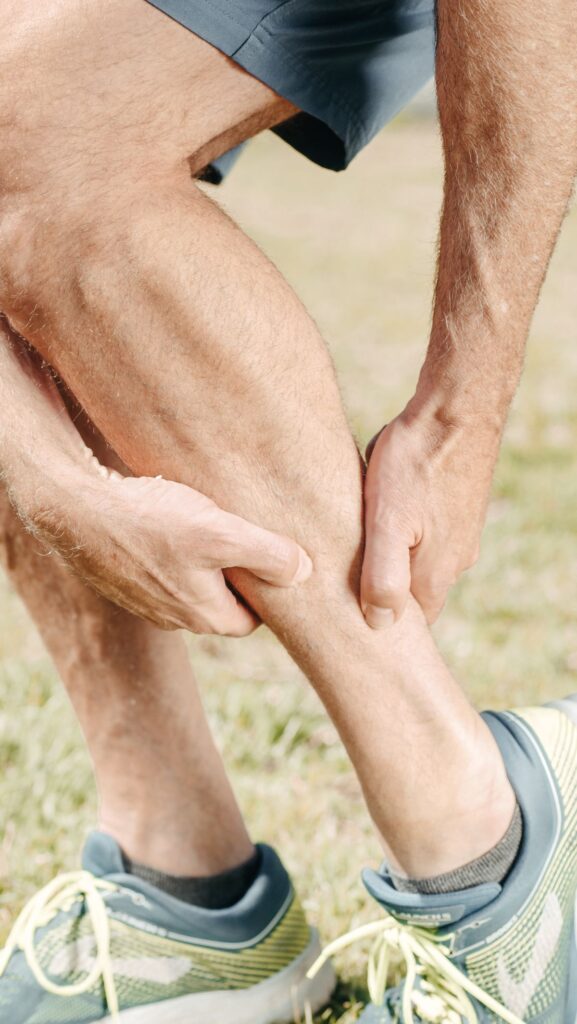
Sore legs after a long walking day are common, especially during travel, sightseeing, festivals, shopping trips, hiking, or when you suddenly increase your daily step count. The thighs, calves, hips, and even the muscles around the shins can feel heavy, tight, or tender by evening.
In many cases, this is simply fatigue from doing more than your body is used to. But leg pain can also come from overuse, an injury, circulation problems, or a blood clot. Knowing the difference matters. This guide focuses on common post-walking soreness and safe recovery strategies.
Why do your legs get sore after lots of walking?
Walking looks simple, but it is repeated strength and endurance work. The calf muscles push you forward, the thighs control each step, and the hips stabilize the body thousands of times. If your usual day involves 5,000 steps and a vacation day involves 20,000, that is a major increase in workload.
The muscles may develop temporary fatigue and delayed-onset soreness, especially if there are hills, stairs, uneven ground, or long periods of standing.
1. Do not stop moving completely
After a demanding day, complete inactivity can make the legs feel stiffer. An easy walk around the hotel, gentle cycling, or simple mobility can improve comfort. Keep the intensity low enough that the movement feels easier as you continue rather than increasingly painful.
2. Elevate the legs if they feel heavy or mildly swollen
After hours on your feet, mild swelling around the ankles can occur. Lying down with the legs comfortably supported for 15 to 30 minutes can help. This is particularly useful after a day combining walking with long periods standing still.
One-sided swelling is different. A single swollen, warm, painful leg—especially after a long flight—should be medically assessed urgently.
3. Use a warm shower or bath for comfort
Warm water can help sore muscles feel more relaxed. Keep the temperature comfortable rather than extremely hot. If the legs are hot and puffy after a long day, some people prefer a cooler shower.
There is no need to alternate extreme hot and cold temperatures for routine soreness.
4. Eat a balanced recovery meal
Your muscles need energy and protein after a high-activity day. A normal meal containing protein, carbohydrate, vegetables or fruit, and fluids is usually enough. Examples include chicken with rice and vegetables, yogurt with fruit and oats, fish with potatoes, or beans with whole grains.
You do not need a special recovery supplement after ordinary sightseeing.
5. Drink according to thirst and conditions
Walking in hot weather can increase fluid needs. Drink regularly, especially if you have been sweating heavily. Avoid forcing enormous amounts of plain water quickly, because excessive water intake can also be harmful.
After several hours of heavy sweating, food and electrolyte-containing drinks may help replace sodium and other losses.
6. Gentle stretching may reduce the feeling of tightness
Stretching does not instantly repair muscles, but gentle calf, hamstring, and quadriceps stretches can feel good. Hold a comfortable position without bouncing or forcing the muscle into pain.
If stretching increases sharp pain, stop.
7. Massage can be a useful recovery tool
Massage may reduce the feeling of soreness and help you relax after a long walking day. It can be especially pleasant during travel when your legs feel heavy from sightseeing. Moderate pressure is usually enough; painful deep pressure is not required.
A therapist should be told about recent injuries, varicose veins, medications, pregnancy, or any health conditions that may affect massage safety.
8. Foam rolling is optional
Foam rolling the calves, thighs, and glutes can provide self-massage pressure. Move slowly and avoid rolling directly over joints, severe bruising, or suspected injuries. More pain does not mean more benefit.
9. Sleep matters
A long sightseeing day followed by a short night can make soreness feel much worse the next morning. Protect your sleep opportunity, keep alcohol moderate, and create a quiet wind-down period. Recovery is a whole-body process, not just something you do to your legs.
10. Adjust the next day rather than abandoning the trip
If your legs are mildly sore, you may not need a full rest day. Reduce the walking load, use transport for one part of the day, schedule a longer lunch, and choose fewer attractions. This lets you stay active without repeating the same excessive workload.
How long should soreness last?
Simple muscular soreness after an unusual activity often improves over one to three days. It should trend better, not progressively worse. If pain remains severe, changes how you walk significantly, or continues beyond several days without improvement, consider professional evaluation.
Is calf soreness after walking normal?
Both calves can become sore after lots of hills, stairs, or long-distance walking. The concern is a different pattern: one calf becoming swollen, warm, red, or unusually tender, particularly after a long flight or period of immobility.
That pattern can indicate deep vein thrombosis and needs urgent medical assessment. Do not massage a leg when a blood clot is suspected.
What about shin pain?
People who suddenly increase walking or running may develop pain along the shin. This can reflect overuse, but severe localized pain can also indicate a stress injury. Reduce the aggravating activity and seek assessment if pain is focal, persistent, or worsens with weight bearing.
How can you prepare before a walking holiday?
Build your capacity gradually for several weeks. Add daily walks, include stairs if your destination is hilly, and practice wearing the shoes you plan to use. Strength training for the legs can also improve tolerance.
- Increase weekly steps gradually.
- Wear proven comfortable footwear.
- Train on similar terrain when possible.
- Include basic leg strength exercises.
- Plan breaks into sightseeing days.
Can compression socks reduce soreness?
Compression socks may help with swelling and comfort during travel or long periods standing, though they do not directly prevent all muscle soreness. Proper fit matters. People with certain arterial circulation problems should ask a clinician before using compression garments.
When should you avoid massage?
Avoid massage over an acute injury with significant swelling, a suspected fracture, open wounds, skin infection, or a leg with possible blood-clot symptoms. Seek medical advice first if you are unsure.
When should leg pain be checked urgently?
Seek urgent medical care for one-sided leg swelling with warmth or redness, severe pain after trauma, inability to bear weight, major weakness, numbness, chest pain, or shortness of breath. The last two can be signs of a clot traveling to the lungs and require emergency care.
The bottom line
Sore legs after walking are usually a sign that the day exceeded your usual activity level. Gentle movement, hydration, a normal recovery meal, sleep, elevation, and optional massage can help. Reduce the next day’s workload if needed and build walking capacity gradually before future trips. One-sided swelling, severe pain, or other warning signs require medical assessment rather than routine recovery treatment.
Sources and further reading
This article is general education and does not replace medical advice.