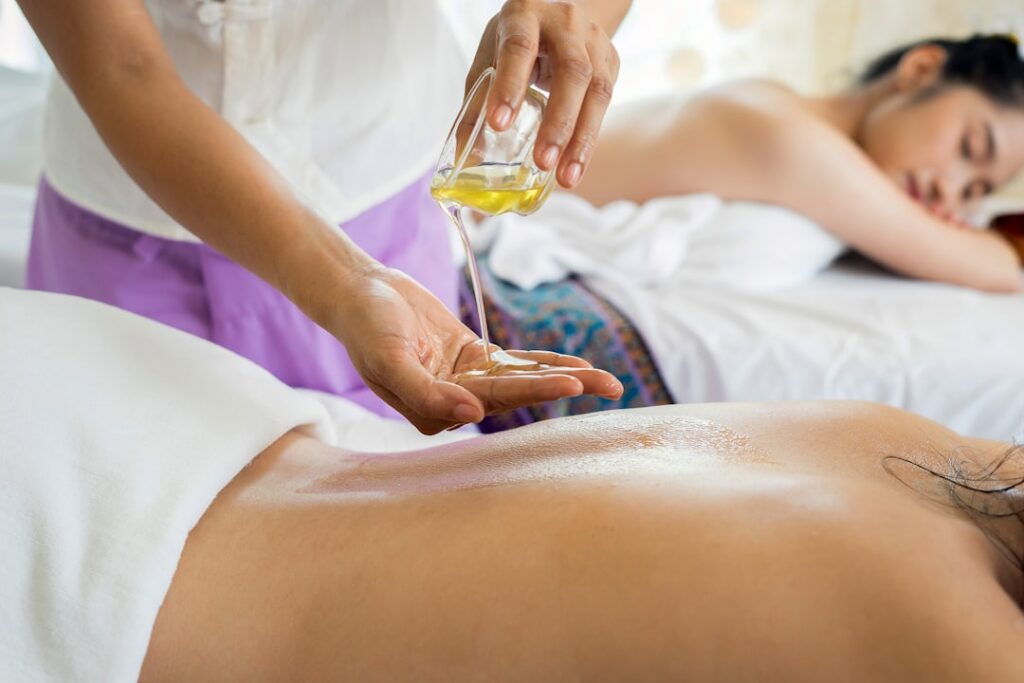
Massage may help some people feel less sore after exercise, especially when muscle tenderness is mild and related to ordinary training. It can improve short-term comfort and relaxation, but it does not instantly repair muscle or erase the effects of a workout.
What massage may help with
Research suggests massage can modestly reduce perceived delayed-onset muscle soreness in some settings. The effect is usually about how you feel rather than dramatically speeding muscle growth or tissue repair.
When to get a massage
There is no single perfect time. Some people prefer gentle massage later the same day or the next day. Deep pressure on very sore muscles may feel unpleasant, so communicate clearly with the therapist.
What else matters for recovery?
Sleep, nutrition, hydration and appropriate training volume are more important than any single recovery technique. See our muscle soreness recovery guide.
When not to massage
Avoid massage over a suspected acute injury, significant swelling, infection, open wound or possible blood clot. Sudden severe pain, loss of strength or inability to use a limb normally deserves medical assessment.
What is normal post-workout soreness?
Delayed-onset muscle soreness, often called DOMS, commonly appears several hours after unfamiliar or harder-than-usual exercise and can peak over the next day or two. Mild stiffness and tenderness can be normal. Sharp pain, major swelling, bruising, sudden weakness or a clear loss of function are not typical signs to simply massage through.
How much pressure should you use?
More pressure is not automatically better. Very sore muscles may respond better to comfortable, moderate pressure rather than an aggressive deep-tissue session. Tell the therapist which areas were trained and how sore they feel. If pressure causes sharp, burning or electric pain, ask for it to be reduced or stopped.
Massage before or after exercise?
A short, light session before exercise may help you feel relaxed and mobile, but a long relaxing massage immediately before a demanding workout may not suit everyone. After exercise, massage is generally used for comfort and relaxation rather than performance enhancement. See our massage before or after exercise guide for a fuller comparison.
How long does the effect last?
Relief can be temporary, which is still useful if it helps you move more comfortably. Massage should not be judged by whether soreness disappears completely after one session. Your training load, sleep and time between hard sessions matter more for overall recovery.
How to plan a massage around hard training
If your muscles are simply tired after a normal workout, you may not need to wait for soreness to disappear before having a massage. The session can be adjusted to how you feel that day. Tell the therapist what you trained, when you trained it and whether the soreness feels like familiar post-exercise tenderness or something unusual.
If you have an important race, match or heavy training session the next day, avoid trying an unusually aggressive treatment for the first time. A lighter session may be a more predictable choice because strong pressure can leave some people temporarily tender.
Massage versus stretching for soreness
Massage and stretching do different things. Massage may change how a sore area feels and can be relaxing, while gentle movement and stretching may help restore a comfortable range of motion. Neither approach needs to be painful to be useful. You can read our massage vs stretching guide for a direct comparison.
What to do after the session
Return to normal hydration and meals rather than following a special “detox” routine. Light walking or easy movement can feel good if you have been lying still for a long time. If you are very sore from training, allow enough time before your next hard workout and use your normal recovery plan.
There is no need to force large amounts of water because of massage alone. Drink according to thirst and your usual exercise needs.
Can massage remove lactic acid?
Massage is sometimes promoted as a way to “flush lactic acid” from muscles, but this is an oversimplification. Lactate produced during exercise is processed relatively quickly and is not what causes delayed-onset muscle soreness one or two days later. DOMS is related to the stress of unfamiliar or demanding exercise and the body’s response to it.
When soreness may actually be an injury
Ordinary DOMS is usually diffuse and related to muscles that were trained. Pain that is sudden, sharply localized, associated with a pop, significant bruising, marked swelling, joint instability, numbness or loss of strength deserves more caution. Do not use deep massage to test whether a suspected injury will “loosen up.”
If pain is severe, worsening or prevents normal use of the limb, medical or physiotherapy assessment may be more appropriate than a spa treatment.
A simple recovery checklist
- Use massage for comfort rather than as a substitute for recovery.
- Tell the therapist how recently you trained and where you are sore.
- Choose tolerable pressure; more pain does not mean a better result.
- Prioritize sleep, adequate food and appropriate time between hard sessions.
- Keep moving gently if that feels comfortable.
- Seek assessment for unusual pain, major swelling, weakness or loss of function.
The bottom line
Massage can be a useful comfort tool for ordinary exercise-related soreness, especially when pressure is adjusted to your tolerance. It may temporarily reduce how sore you feel and help you relax, but it does not instantly repair muscle or replace sleep, nutrition and sensible training. Treat sharp or unusual symptoms as a possible injury rather than something to massage through.