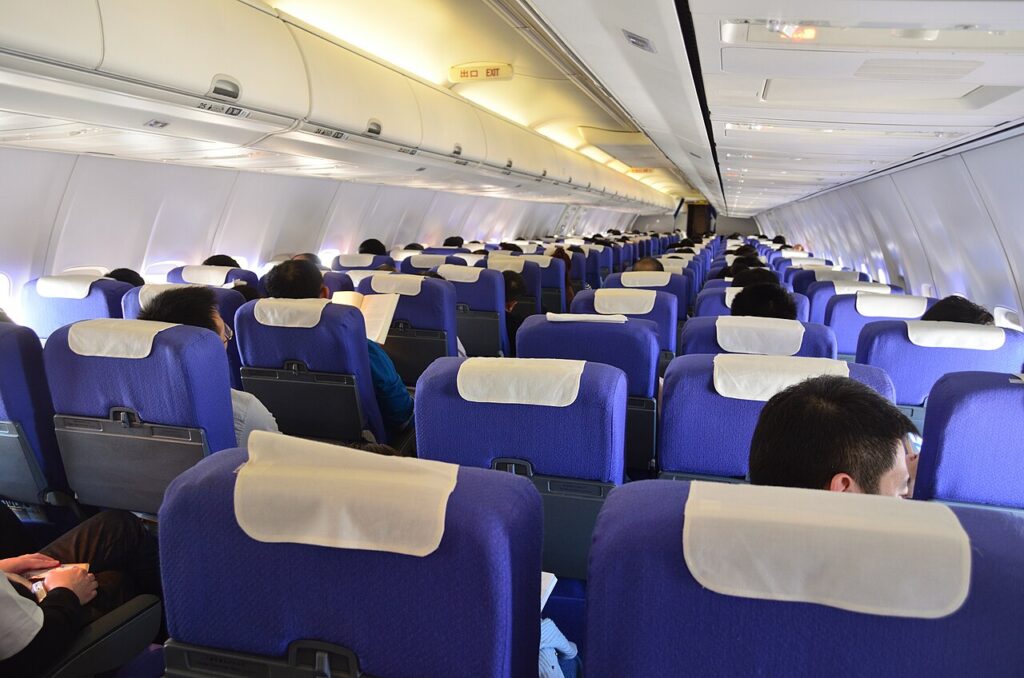
Quick answer: The best red-eye flight strategy starts before takeoff. Decide whether you actually want to sleep on the plane, time caffeine around that goal, keep your meal light and familiar, reduce light and noise when you are ready to rest, and plan your first morning at the destination. A red-eye will rarely feel like a normal night of sleep, so success means reducing disruption rather than expecting perfect rest.
What is a red-eye flight?
A red-eye is an overnight flight that leaves in the evening or at night and arrives the next morning. The term is common for routes where travelers lose much of a normal sleep window. Some flights also cross time zones, which adds circadian disruption and possible jet lag.
Decide whether sleep on the plane is useful
If the flight overlaps the destination’s nighttime, sleeping may help you align with the new schedule. If it arrives very early after a short flight, you may only have a few hours available. In that case, focus on making rest possible rather than worrying about hitting a certain number of hours.
Our guide on how to sleep on a plane covers seat position, neck support, light and noise in more detail.
Choose caffeine based on your sleep plan
If you want to sleep soon after takeoff, avoid a large caffeine dose in the hours before boarding. Caffeine can remain active for many hours and affects people differently. If you intend to stay awake through the flight, a small amount may be useful, but piling on caffeine overnight can make arrival-day sleep and jet lag harder.
Eat for comfort, not for entertainment
Airports and overnight flights make it easy to snack continuously. A familiar, balanced meal before boarding may be easier on your stomach than a heavy late-night meal. Extremely salty foods, large portions and excessive alcohol can worsen thirst, bloating or sleep quality for some travelers.
See our what to eat before a long flight guide for simple meal ideas.
Hydrate normally
Cabin air is dry, but that does not mean you need to force large amounts of water. Drink regularly according to thirst, especially if you consume caffeine or alcohol. Overdrinking immediately before trying to sleep can backfire by increasing bathroom trips.
Create a simple sleep kit
An eye mask, comfortable neck support, warm layer and earplugs or noise-canceling headphones can make the cabin easier to tolerate. Keep essential items in the seat pocket or a small pouch so you do not need to repeatedly open the overhead bin.
Use light intentionally
Light is one of the strongest signals for the body clock. If you are trying to sleep, reduce screen brightness and cabin light exposure. After arrival, appropriately timed daylight can help your body adjust to a new time zone. The exact timing depends on direction of travel and how many time zones you cross.
For multi-zone trips, read our jet lag recovery guide.
Move before you settle in
Before trying to sleep, take a short walk through the terminal and do some comfortable movement. During long flights, periodically moving your legs and changing position can reduce stiffness. If you have personal risk factors for blood clots, ask a clinician for individualized travel advice rather than relying on generic tips.
Alcohol is not a sleep tool
Alcohol may make some people feel sleepy, but it can fragment sleep, increase dehydration and impair judgment. On a red-eye, where sleep opportunity is already limited, it is rarely a reliable strategy for restorative rest.
Plan the first morning after arrival
If you land in the morning, get light, eat at local meal times and move gently if you feel well. A short nap can help if you are extremely sleepy, but a long daytime sleep may make it harder to sleep at the local bedtime. If you must drive and you are dangerously drowsy, do not rely on caffeine alone to make it safe.
What if you cannot sleep at all?
Rest quietly rather than becoming frustrated. Close your eyes, reduce stimulation and accept that the flight may simply be a low-sleep night. After arrival, prioritize safety and a sensible return to a normal sleep window.
Red flags and health considerations
Travelers who are pregnant, recently had surgery, have a history of blood clots, severe heart or lung disease, or take sedating medications may need personalized advice. Do not start a new sleep medication specifically for a flight without discussing safety, side effects and interactions with a qualified clinician.
Related Tranquilla guides
This is general travel-wellness information, not individualized medical advice.