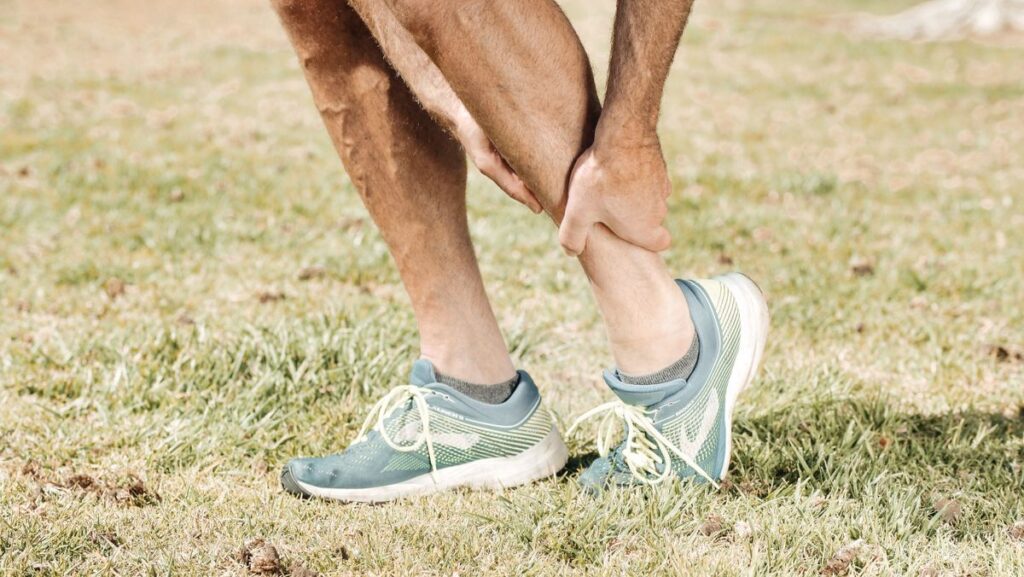
Quick answer: Pain on the top of the foot when walking is often related to footwear pressure, a sudden increase in activity, irritated tendons, or a minor sprain. Less commonly, it can reflect a stress injury or fracture. Pain that is focal, worsening, associated with swelling, or makes it hard to bear weight deserves more caution.
The top of the foot contains small bones, joints, tendons, nerves, and soft tissues that all take load with every step. Because several structures sit close together, it is difficult to diagnose the exact cause from symptoms alone. Start by looking for recent changes: new shoes, tighter lacing, more walking than usual, hills, running, or a specific twist or impact.
Common reasons the top of the foot hurts
Footwear pressure: Tight shoes or laces can press directly on the top of the foot, especially after swelling develops during a long day.
Overuse: A sudden jump in walking distance, running, stairs, or uphill work can irritate the muscles and tendons that lift the toes and help control the foot.
Sprain or strain: Even a small twist can produce soreness and swelling. Sometimes the injury seems minor at first and becomes more noticeable after several hours.
Stress injury: Repetitive loading can occasionally irritate bone. Stress fractures are more likely when pain is very focal, worsens with impact, or persists despite reducing activity.
What you can try first
If the pain is mild and there was no significant injury, reduce the activity that clearly aggravates it for a few days. Check that your shoes have enough room, loosen the laces over the sore area, and avoid adding hills, speed, and extra distance at the same time.
Comfortable flat-ground walking may be reasonable if it does not worsen symptoms during the walk or later the same day. If pain clearly increases with every step, repeatedly testing it is not useful.
How shoe fit can change symptoms
The top of the foot is especially sensitive to pressure from laces and the shoe tongue. If a shoe feels fine at first but becomes uncomfortable after a long walk, swelling may be reducing the available space. Try a different lacing pattern and make sure the midfoot is secure without concentrated pressure.
Could tendon irritation be the cause?
The tendons that help lift the toes and front of the foot run across the top of the foot. Repetitive uphill walking, running, or suddenly doing more steps than usual can irritate them. If the area is only mildly sore, reducing load and returning gradually may be enough. If the pain becomes sharply localized, continues at rest, or is not improving, professional assessment is more appropriate than continuing to self-treat.
Why stress fractures deserve caution
A stress fracture is not always linked to one dramatic injury. It can develop when bone is repeatedly loaded faster than it can adapt. Risk can increase with a sudden jump in training volume, low energy intake, osteoporosis, or previous stress injuries. Persistent focal tenderness and pain that worsens with impact deserve assessment; imaging may be needed.
When to stop walking and get checked
Get medical assessment sooner if you cannot walk normally, there is major swelling or bruising, the foot looks misshapen, you heard a snap or pop with an injury, the area is hot and swollen, or you have fever or feel unwell. Tingling, loss of sensation, or persistent pain also deserves assessment. People with diabetes or reduced sensation in the feet should have a lower threshold for professional review.
How to return to walking
When ordinary daily walking becomes comfortable, build distance gradually before adding speed or hills. Keep one variable stable while changing another. If the same pain keeps returning, a clinician, physiotherapist, or podiatry professional can assess gait, footwear, strength, mobility, and whether imaging is needed.
FAQ
Can tight shoes cause pain on top of the foot?
Yes. Tight laces, a stiff tongue, or a shoe that does not allow enough room across the midfoot can create pressure. If symptoms improve after changing footwear or lacing, pressure may be contributing, although that does not exclude another cause.
Should I keep walking if the pain is mild?
If you can walk normally and the pain stays mild, a shorter, easier walk may be reasonable. Stop if your gait changes, pain escalates, or swelling increases.
Related Tranquilla guides
- Why Do My Feet Hurt After Walking All Day?
- Sore Legs After Walking
- Walking for Beginners
- Why Do My Knees Hurt After Walking?
Source
This article is general health education and does not diagnose the cause of foot pain. Seek professional care for severe, persistent, recurrent, or concerning symptoms.