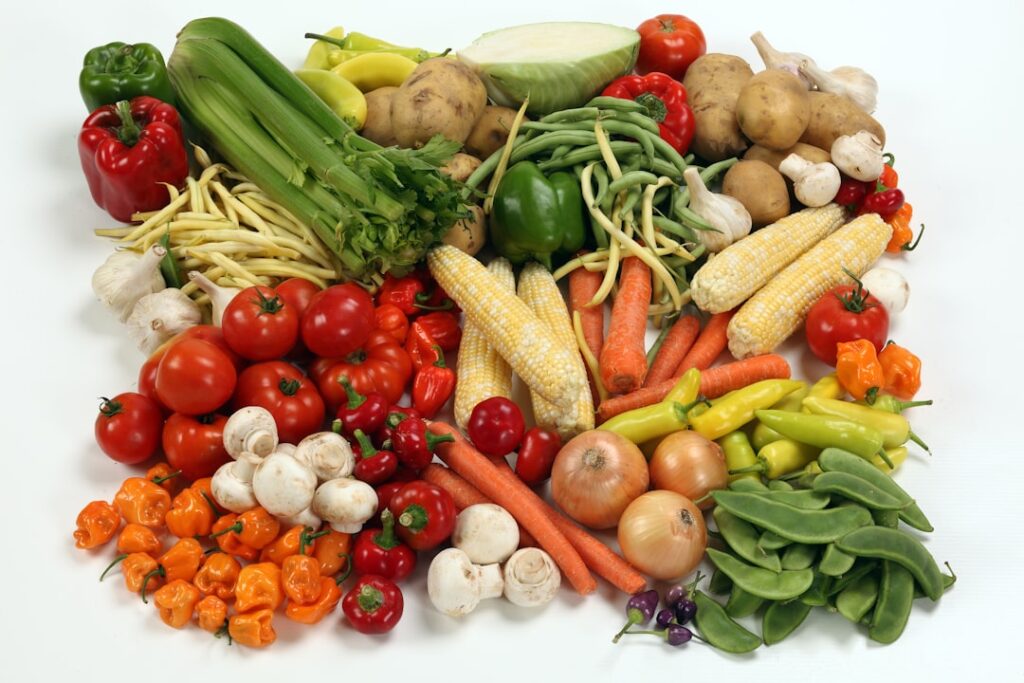
If you are genuinely hungry before bed, a small snack that combines protein, fiber, or both is usually more satisfying than a large sugary meal. Good options include Greek yogurt with berries, oatmeal with milk, apple with peanut butter, whole-grain toast with cottage cheese, or a small bowl of cereal with milk. The right choice depends on your appetite, schedule, allergies, digestive comfort, and health needs.
Late-night eating is not automatically unhealthy. What matters more is the pattern: portion size, food quality, why you are eating, and whether the snack affects sleep or reflux. This guide offers practical ideas—not rigid rules—so you can choose a snack that feels comfortable and fits your day.
What makes a healthy late-night snack?
A useful bedtime snack is usually modest, easy to digest, and satisfying enough to take the edge off hunger. Build it around one or two of these elements:
- Protein: yogurt, milk, cottage cheese, eggs, tofu, or nut butter can help a small snack feel more substantial.
- Fiber-rich carbohydrates: fruit, oats, and whole-grain bread tend to digest more gradually than candy or pastries.
- A little healthy fat: nuts, seeds, avocado, or nut butter can add staying power, though very large portions may feel heavy close to bed.
- A comfortable portion: enough to ease hunger without turning the snack into a second dinner.
If you regularly feel ravenous late at night, review the rest of your day. A very light breakfast, skipped lunch, low-protein meals, or an unusually active day can all leave you hungry later. Our guides to high-fiber foods and foods that help you feel full longer can help you build more satisfying daytime meals.
12 healthy late-night snack ideas
1. Greek yogurt with berries
Choose plain Greek yogurt and add a small handful of fresh or frozen berries. The yogurt supplies protein, while the fruit adds fiber and sweetness. If plain yogurt tastes too tart, add cinnamon or a teaspoon of honey. People who do not tolerate dairy can use an unsweetened soy alternative with comparable protein.
2. Oatmeal made with milk
A small bowl of oats can be warm, gentle, and satisfying. Prepare it with dairy milk or fortified soy milk for extra protein, then add cinnamon or a few berries. Keep the serving smaller than a typical breakfast if you are eating close to bedtime. Check flavored packets because some contain considerable added sugar.
3. Apple slices with peanut butter
An apple provides crunch and fiber, while a thin spread of peanut or another nut butter adds protein and fat. One tablespoon may be enough. If nuts are unsuitable, sunflower-seed butter is an alternative. This combination is more balanced than fruit juice or sweets alone.
4. Cottage cheese with fruit
Cottage cheese is rich in protein and pairs well with sliced peach, pineapple, berries, or cucumber. Choose a comfortable portion, and compare labels if sodium matters to you. A dairy-free high-protein yogurt can substitute.
5. Whole-grain toast with egg
Top one slice of whole-grain toast with a cooked egg. It works when you need something more substantial than fruit but do not want a full meal. Cook eggs appropriately and refrigerate cooked eggs promptly rather than leaving them at room temperature.
6. Banana with walnuts
A small banana with a few walnut halves is quick and requires no preparation. The banana contributes carbohydrate and fiber, while walnuts add texture and fat. Keep the nut portion modest if high-fat foods feel heavy before sleep.
7. Hummus with vegetables or whole-grain crackers
Try two or three tablespoons of hummus with cucumber, bell-pepper strips, carrots, or a small serving of whole-grain crackers. This combines plant protein and fiber. If raw vegetables cause bloating, crackers or soft whole-grain bread may feel easier.
8. Whole-grain cereal and milk
Cereal can be a sensible snack when the portion and ingredients are appropriate. Look for a whole-grain cereal with reasonable added sugar, then add milk or fortified soy milk. Measure once or twice if your bowl is large; cereal portions are easy to underestimate.
9. Kiwi with yogurt
Slice one or two kiwis and serve them with a few spoonfuls of yogurt. Kiwi provides vitamin C and fiber, and yogurt adds protein. No single food guarantees better sleep, so treat this as a nutritious snack rather than a remedy for insomnia.
10. Edamame
A small bowl of cooked, shelled edamame provides plant protein and fiber. Choose plain or lightly seasoned edamame and cook frozen products fully according to package directions. This is a useful savory alternative when you are tired of sweet snacks.
11. Turkey or tofu roll-ups
Wrap cucumber strips or leafy greens in a few slices of turkey, or use baked tofu strips. This is a protein-focused option for someone who is not very hungry. Processed deli meats can be high in sodium, so compare labels and rotate them with less-processed choices.
12. Leftovers in a mini portion
A snack does not need to look like “snack food.” A small serving of leftover rice and beans, soup, or roasted vegetables with chicken or tofu may be more satisfying than grazing on packaged foods. Reheat leftovers until properly hot and follow safe storage times.
How much should you eat before bed?
There is no universal calorie target for a bedtime snack. Start with a modest portion and pause after eating. The goal is to relieve physical hunger, not to feel completely full. A snack might be one piece of fruit plus a spoonful of nut butter, one small yogurt, or one slice of toast with a topping.
Your needs may be higher after a long workout, a missed meal, pregnancy, or a demanding day. They may be lower if dinner was recent and the urge to eat is mainly boredom or habit. Ask: “Would a simple food such as yogurt, fruit, or toast satisfy me?” If yes, hunger may be genuine. If only one specific treat sounds appealing, consider whether stress, fatigue, or routine is driving the urge. Notice the pattern without judging it.
Will eating late affect sleep?
Large meals, alcohol, excessive caffeine, and foods that trigger indigestion can interfere with comfortable sleep. Timing also matters. If possible, finish a substantial meal a few hours before lying down; our guide on how long before bed to stop eating explains the trade-offs. A small snack is different from a large, rich meal and may be reasonable when hunger itself keeps you awake.
Caffeine can remain active for hours, so late chocolate, coffee drinks, strong tea, cola, and energy products may be poor choices for sensitive sleepers. Alcohol may make you drowsy initially but can disrupt sleep later. For a broader routine, review these sleep hygiene tips.
What if you have acid reflux?
Reflux can worsen when you lie down soon after eating, especially after a large or high-fat meal. Triggers vary but may include spicy foods, tomato products, citrus, chocolate, peppermint, alcohol, and fatty foods. The US National Institute of Diabetes and Digestive and Kidney Diseases notes that people with nighttime symptoms may benefit from eating at least three hours before lying down.
If reflux is a concern, choose a smaller snack earlier and track your personal triggers. Oatmeal, banana, low-fat yogurt, or toast may feel comfortable for some people, but tolerance differs. Persistent reflux, painful swallowing, vomiting, unexplained weight loss, black stools, or chest pain needs medical evaluation. Chest pain with breathing difficulty, sweating, or pain spreading to the arm or jaw requires urgent care.
Special situations
Diabetes or blood-sugar medication
Bedtime snacks are individualized. Medication type, glucose pattern, activity, and meal timing all matter. Do not use a generic online rule to change insulin or medication. Follow the plan from your clinician or registered dietitian, particularly if you experience nighttime or morning glucose problems.
Food allergies, kidney disease, or digestive disorders
Many snack lists rely on dairy, nuts, potassium-rich fruit, or high-fiber foods that may not fit every condition. Use alternatives appropriate to your medical plan. If symptoms are frequent or your diet is restricted, personalized advice is safer than trial and error.
Frequent nighttime hunger
Occasional hunger is normal. Hunger that repeatedly wakes you, comes with intense thirst or urination, follows episodes of loss-of-control eating, or occurs alongside unexplained weight change deserves a conversation with a healthcare professional.
How to reduce automatic late-night snacking
- Eat regular meals with protein and fiber during the day.
- Keep a few simple options visible and ready.
- Serve the snack in a bowl or on a plate instead of eating from a package.
- Turn off screens briefly and eat slowly enough to notice satisfaction.
- Check whether tiredness, stress, or thirst is being mistaken for hunger.
- Keep highly caffeinated drinks earlier in the day.
If sweet foods are the main challenge, read our guide on reducing sugar cravings. The aim is not perfect control; it is making the easy choice a useful one more often.
Bottom line
Healthy late-night snacks are small, satisfying, and suited to your digestion and health needs. Pair protein with fruit, whole grains, or vegetables; keep the portion comfortable; and avoid treating any one food as a sleep cure. If evening hunger is frequent, look at the entire day’s meals and activity rather than blaming the clock.