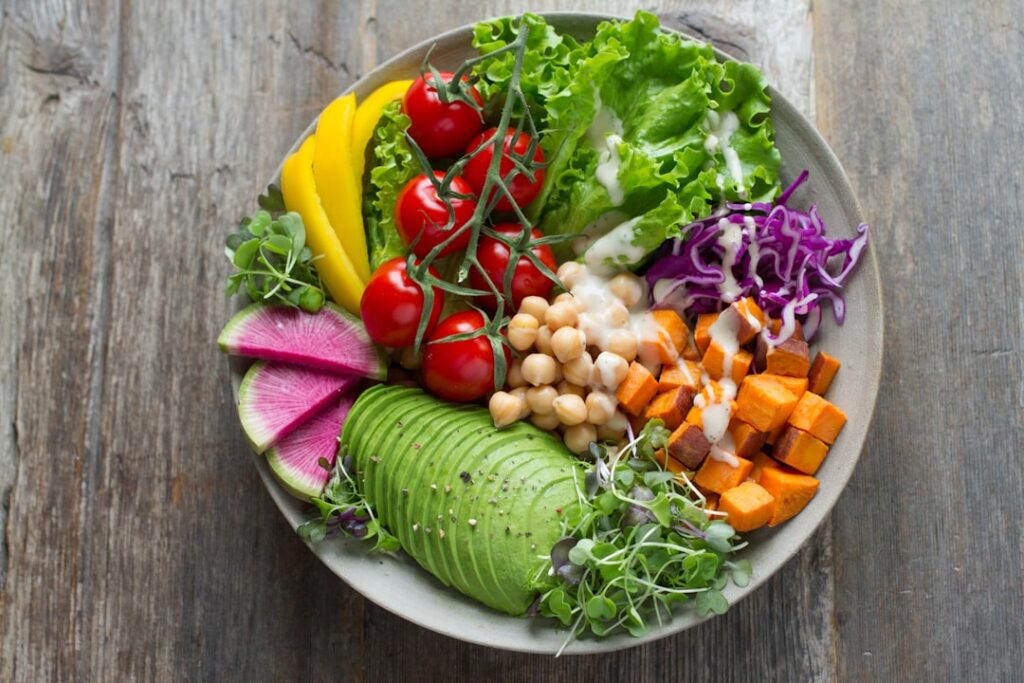
Protein is one of the most discussed nutrients in fitness and wellness. Some people worry they are not getting enough, while others assume that more is always better. The reality is more practical: protein needs depend on body size, age, activity level, health status, and goals.
Most adults can meet their needs with ordinary food. Athletes, older adults, people trying to gain muscle, and people recovering from illness may need more attention to intake, while certain medical conditions require individualized guidance. This article explains the basics without turning every meal into a mathematics problem.
What does protein do?
Protein supplies amino acids, which the body uses to build and maintain muscle, skin, enzymes, hormones, immune proteins, and many other tissues. Protein also contributes to fullness after meals and plays an important role in recovery from exercise.
Your body is constantly breaking down and rebuilding proteins, so protein is needed every day rather than only on workout days.
What is the minimum protein recommendation?
In the United States, the Recommended Dietary Allowance for generally healthy adults is about 0.8 grams of protein per kilogram of body weight per day. This is designed to meet the basic needs of most healthy adults, not necessarily to optimize athletic performance or muscle gain.
For example, a 70-kilogram adult would have a basic reference intake of about 56 grams per day. That number is a starting point, not a universal ideal for every situation.
Do active people need more protein?
People who exercise regularly, especially those doing resistance training or endurance sports, often benefit from higher protein intakes. Many sports-nutrition guidelines fall around 1.2 to 2.0 grams per kilogram per day depending on training, goals, and energy intake.
Someone lifting weights three times per week may not need the same intake as an elite athlete training twice a day. The goal is enough protein to support adaptation without assuming the highest possible number is automatically better.
How much protein for muscle gain?
Muscle growth requires resistance training, enough total energy, and adequate protein. Research commonly finds that intakes around 1.6 grams per kilogram per day are sufficient for many people trying to maximize muscle gain, though individual needs vary.
For a 75-kilogram person, that would be about 120 grams per day. You do not need to consume it all at once.
What about older adults?
Maintaining muscle becomes increasingly important with age. Older adults may benefit from protein intakes above the basic RDA, especially when combined with resistance training. Appetite, dental health, medications, and chronic illness can make adequate intake more difficult.
Older adults with kidney disease or other medical conditions should discuss protein targets with a clinician or dietitian.
Should you eat protein at every meal?
Spreading protein across the day is a practical strategy. Rather than eating very little protein at breakfast and lunch and a huge amount at dinner, try including a meaningful source at each meal.
A simple pattern might be eggs or yogurt at breakfast, beans or chicken at lunch, and fish, tofu, lean meat, or lentils at dinner. Snacks can contribute too.
How much protein can your body use at once?
The claim that the body can only “absorb” 20 or 30 grams of protein in a meal is misleading. Your digestive system can absorb much more than that. The more useful question is how much protein in one meal maximally stimulates muscle protein synthesis, which varies by body size, age, meal composition, and training.
For most people, evenly distributing protein is easier and more comfortable than consuming nearly all of it at dinner.
Best animal protein sources
- eggs
- Greek yogurt and other dairy foods
- fish and seafood
- chicken and turkey
- lean beef or other meats
- cottage cheese
Choose a variety and consider saturated fat, sodium, and overall dietary pattern rather than evaluating foods by protein alone.
Best plant protein sources
- lentils
- beans
- chickpeas
- tofu and tempeh
- edamame
- seitan
- nuts and seeds
- whole grains such as quinoa
Plant-based diets can provide adequate protein when total intake and variety are sufficient.
Do plant proteins need to be combined at every meal?
No. You do not need to combine specific plant proteins in the same meal to create a “complete” protein. Eating a varied diet across the day generally provides the necessary amino acids.
Some plant proteins contain lower amounts of particular amino acids, so total intake may need to be somewhat higher in highly plant-based diets.
Do you need protein powder?
Protein powder is convenient, not mandatory. Whey, casein, soy, pea, and blended plant powders can help when food intake is limited or when you need a quick option after training. But ordinary food provides protein plus vitamins, minerals, fiber, and other nutrients.
If you use a powder, check the ingredient list, serving size, and third-party testing where relevant. Supplements are regulated differently from medicines.
Is too much protein harmful?
For healthy adults, moderately high protein diets are generally well tolerated, but extremely high intakes can crowd out other important foods and nutrients. People with kidney disease may need specific protein limits or targets.
Do not increase protein dramatically without medical guidance if you have chronic kidney disease, significant liver disease, or another condition affected by dietary protein.
Does protein help with weight loss?
Protein can increase fullness and help preserve lean mass during weight loss, but it does not override total energy intake. A high-protein snack can still contain many calories, and adding protein on top of your normal diet does not guarantee fat loss.
For weight management, combine adequate protein with vegetables, fruit, whole grains, healthy fats, and an overall calorie intake suited to your goals.
How to estimate your own needs
Start by converting body weight from pounds to kilograms by dividing by 2.2. Then choose a reasonable range based on your situation:
- Generally healthy, minimally active adult: around 0.8 g/kg as a basic reference.
- Regularly active adult: often around 1.2–1.6 g/kg.
- Hard resistance or endurance training: often around 1.6–2.0 g/kg.
These are general ranges, not prescriptions. Individual medical and nutritional needs vary.
Example: what 100 grams of protein can look like
A day might include Greek yogurt and oats at breakfast, a chicken or tofu bowl at lunch, a lentil snack or dairy serving, and fish or beans at dinner. You do not need to eat huge portions of meat.
Reading labels can help you learn the protein content of foods you buy regularly.
What matters besides protein?
Muscle and health depend on much more than protein. Resistance exercise, total calories, carbohydrates for training, healthy fats, micronutrients, hydration, and sleep all matter. Focusing on one nutrient while ignoring the rest of the diet is rarely useful.
When should you see a dietitian?
A registered dietitian can help if you have kidney disease, gastrointestinal problems, food allergies, a vegan diet with limited variety, significant weight changes, athletic performance goals, or difficulty meeting needs because of low appetite or illness.
The bottom line
Most adults need at least about 0.8 grams of protein per kilogram of body weight as a basic reference, while active people often benefit from more. Spread protein across meals, use a variety of animal or plant sources, and remember that protein powder is optional. Your ideal intake depends on your body, training, goals, and health status—not on the highest number you see online.
Sources and further reading
- USDA: Dietary Reference Intakes Calculator
- NIH: Dietary Supplements for Exercise and Athletic Performance
- USDA MyPlate: Protein Foods
This article provides general nutrition education and does not replace personalized dietary or medical advice.