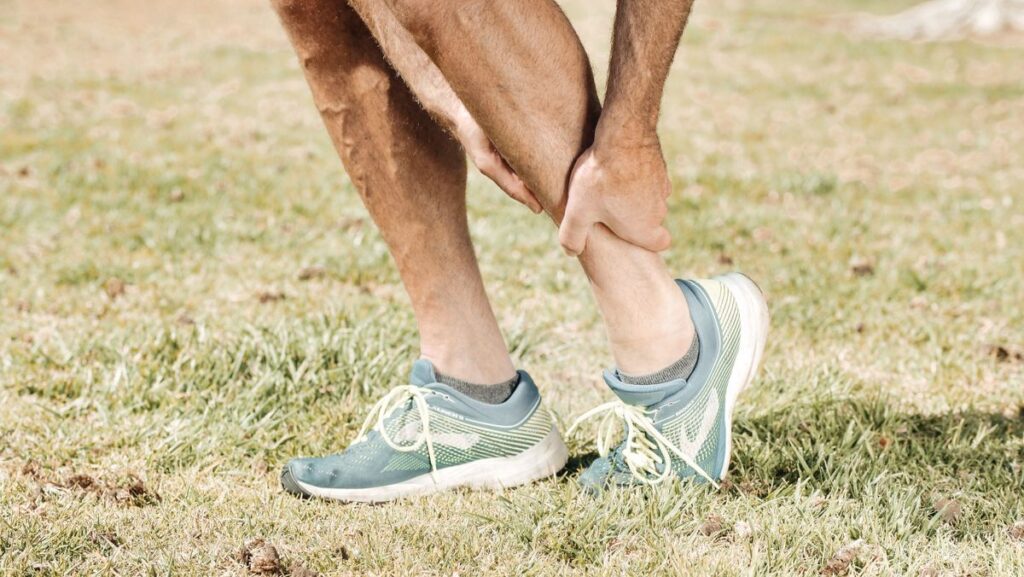
A full day of walking can turn an exciting trip, festival, shopping day, or city tour into an evening of aching feet. The soreness may be under the heel, through the arch, across the ball of the foot, around the toes, or simply everywhere at once. In many cases, the explanation is straightforward: you did much more walking than your feet are used to.
Foot pain after walking can also be influenced by shoes, hard surfaces, blisters, calf tightness, training changes, and underlying foot problems. Most mild soreness improves with recovery, but certain symptoms deserve professional assessment. This guide explains common causes and what you can do after a long day on your feet.
1. You suddenly increased your walking volume
If you normally walk 4,000 steps a day and suddenly do 20,000 on vacation, your feet and lower legs face a much larger workload. Muscles, tendons, joints, and skin all need time to adapt.
The answer is not that walking is bad. It is that sudden spikes in activity are harder to tolerate. When possible, build walking volume gradually before a trip.
2. Your shoes may be uncomfortable for long distances
A shoe that feels fine for a quick errand can become painful after several hours. Too little room in the toe box can compress the toes. Poor heel fit can cause rubbing. Very stiff or unsupportive shoes may become uncomfortable on hard surfaces.
Choose shoes that fit well immediately rather than expecting a painful pair to “break in” during the trip.
3. Hard surfaces can increase fatigue
City travel often means concrete, stone, airport floors, museums, and shopping centers. These surfaces are less forgiving than grass or trails. Add long periods standing in queues and foot fatigue can build quickly.
Alternating walking with seated breaks can help more than simply pushing through until the end of the day.
4. Blisters and hot spots can develop
Friction, moisture, heat, and poor shoe fit can create painful blisters. The best strategy is early action. If you notice a hot spot, stop and protect it before the skin breaks. Dry socks, blister pads, and properly fitting shoes can reduce friction.
People with diabetes or poor circulation should be especially careful with foot wounds and seek medical advice when needed.
5. The plantar fascia may become irritated
The plantar fascia is a thick band of tissue along the bottom of the foot. Pain near the heel or arch that is particularly noticeable with the first steps after rest can occur with plantar fasciitis. A sudden increase in walking may aggravate symptoms.
Persistent heel pain should be assessed, especially if it changes how you walk.
6. Calf fatigue can affect the feet
The calf muscles and Achilles tendon work continuously during walking. When the calves fatigue, the feet may feel more stressed. Gentle calf movement, normal walking, and gradual conditioning before a trip can improve tolerance.
What should you do immediately after a long walking day?
Start with simple recovery. Remove tight shoes, inspect the skin, and sit or lie down for a while. Elevating the feet can feel good if they are mildly swollen. A cool shower, gentle self-massage, or light movement may also be comfortable.
You do not need to aggressively stretch or press painful areas.
Should you soak sore feet?
A warm foot bath can be relaxing, while cool water may feel better if the feet are hot or mildly swollen. There is no medically required temperature for ordinary soreness. Avoid very hot water, particularly if you have reduced sensation or circulation problems.
Does elevating your feet help?
If the feet and ankles are mildly puffy after prolonged standing or travel, elevation can help fluid move away from the lower legs. Lie down and support the legs comfortably for 15 to 30 minutes.
Sudden swelling in only one leg, especially with calf pain, warmth, redness, chest pain, or shortness of breath, requires urgent medical attention because it can indicate a blood clot.
Can massage help sore feet?
Gentle foot massage can feel very relaxing after a walking-heavy day. It may temporarily reduce the sensation of tightness and help you unwind. Use moderate pressure and avoid massaging directly over open blisters, significant swelling, suspected fractures, or areas that are sharply painful.
After long travel, massage should not be used on a leg with possible blood-clot symptoms.
What about a tennis ball or foot roller?
Rolling the bottom of the foot over a small ball or roller can provide gentle pressure to the arch. Keep the pressure comfortable. The aim is relief, not to crush or “break up” tissue.
If heel or arch pain is severe or persistent, repeated hard rolling may aggravate it.
Should you take a complete rest day?
If the soreness is mild, you may not need complete rest. A shorter, easier walking day can keep you moving while reducing the workload. If every step is painful or you are limping, reduce activity more significantly and consider assessment.
How to prepare your feet for a walking-heavy vacation
Start several weeks before travel. Gradually increase your weekly walking rather than doing one huge practice walk. Wear the shoes you plan to travel in so you know whether they remain comfortable over distance.
- Increase walking volume gradually.
- Test shoes and socks before the trip.
- Bring a second comfortable pair of shoes.
- Trim toenails appropriately.
- Carry blister protection.
- Plan seated breaks during long sightseeing days.
What shoes are best for city walking?
The best shoe is one that fits your foot, feels comfortable, and is appropriate for the conditions. Look for enough toe room, secure heel fit, cushioning you find comfortable, and a sole that provides adequate grip.
There is no single brand or shoe type that is best for everyone.
Can compression socks help?
Compression socks are often used during travel and prolonged standing, and they can reduce lower-leg swelling in some people. They are not suitable for everyone, particularly certain circulation problems. If you have vascular disease or are unsure what level of compression is appropriate, ask a clinician.
When should you worry about foot pain?
Seek medical assessment if you cannot bear weight, pain followed a significant injury, there is obvious deformity, severe swelling, redness, warmth, an infected wound, or persistent numbness. Foot pain that continues for weeks or repeatedly limits walking also deserves evaluation.
People with diabetes should seek advice promptly for new foot wounds, ulcers, or signs of infection.
The bottom line
Feet often hurt after walking all day simply because the workload exceeded what they were used to. Comfortable shoes, gradual conditioning, breaks, skin care, elevation, and gentle recovery can help. Foot massage can be a pleasant part of recovery when soreness is uncomplicated. Severe, one-sided, injured, infected, or persistent symptoms should not be treated as ordinary travel fatigue.
Sources and further reading
This article provides general information and does not replace medical or podiatry advice.