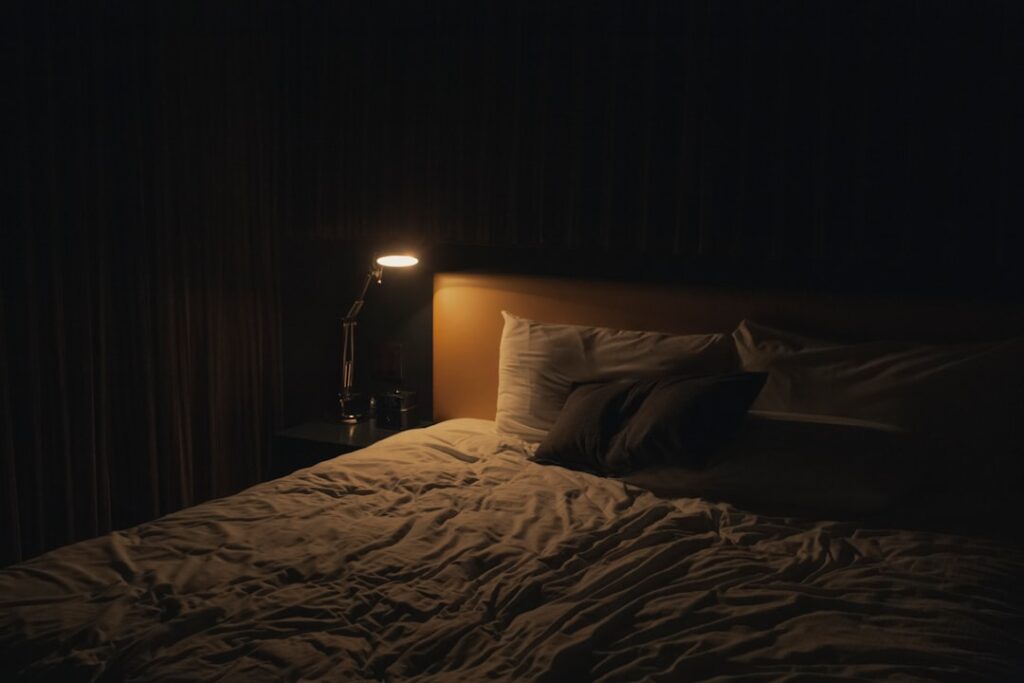
Better sleep often starts before you get into bed. Sleep hygiene is the collection of everyday habits and environmental choices that can make your nighttime routine calmer and more consistent. It is not a treatment for a sleep disorder, and no single routine works for everyone. Instead, think of it as a practical framework you can adjust to your lifestyle.
These ten simple habits focus on relaxation, consistency and creating a bedroom that supports rest.
10 sleep hygiene habits to build a calmer routine
1. Keep your sleep and wake times consistent
A regular schedule gives your day a predictable rhythm. Try to keep bedtime and wake-up time reasonably consistent, including on days off. You do not need perfection; the goal is to avoid large, frequent swings in your routine.
2. Create a wind-down routine
Give yourself a transition between a busy day and bedtime. A simple routine might include dimming the lights, taking a warm shower, reading, listening to quiet music or doing a few gentle stretches. Repeating a familiar sequence can make the end of the day feel less stimulating.
3. Reduce screen stimulation before bed
Phones, tablets and laptops can keep you mentally engaged when you are trying to unwind. Consider creating a screen-free period before bed, or at least switching from stimulating work and social feeds to quieter activities.
4. Make the bedroom comfortable
A bedroom that is dark, quiet and comfortably cool can be more inviting for rest. Small changes can help: reduce unnecessary light, manage distracting noise, keep bedding comfortable and remove clutter that makes the room feel busy.
5. Use light strategically during the day
Natural daylight is an important part of the daily routine. Opening the curtains after waking or spending some time outdoors can help create a clearer distinction between daytime activity and the darker, quieter evening period.
6. Build a relaxation habit
You do not need an elaborate meditation practice. Slow breathing, a brief body scan, gentle stretching or progressive muscle relaxation can become simple signals that the active part of the day is ending. The best technique is one you find comfortable enough to repeat.
7. Be thoughtful about late caffeine
Caffeine affects people differently and can remain stimulating for hours. If you notice that coffee, tea or other caffeinated drinks later in the day make it harder for you to settle down, experiment with moving them earlier.
8. Avoid turning bedtime into another task
Trying too hard to force sleep can make bedtime feel like work. Focus instead on creating conditions for rest: lower stimulation, get comfortable and use your wind-down routine. Relaxation is a more useful goal than chasing an exact moment when you must fall asleep.
9. Keep daytime habits supportive
Regular movement, time outdoors and a reasonably structured day can complement an evening routine. You do not need a complicated wellness schedule. A walk, ordinary daily activity and a clear transition from work to personal time can all contribute to a more balanced routine.
10. Review what actually works for you
Sleep hygiene is personal. Keep the habits that make your evenings calmer and remove those that create pressure. You can even keep a simple diary for a week or two, noting bedtime, wake time, late caffeine, screen use and how rested you feel the next day.
A simple 30-minute wind-down example
Start by lowering the lights and putting demanding tasks away. Prepare what you need for the next morning so it is no longer on your mind. Then choose one quiet activity such as reading, gentle stretching or slow breathing. Keep your bedroom comfortable and let the routine be simple enough to repeat.
When sleep hygiene is not enough
These ideas are general wellness habits, not medical advice. Persistent difficulty sleeping, loud snoring, breathing interruptions during sleep, severe daytime sleepiness or other ongoing concerns deserve discussion with a qualified healthcare professional.
Quick sleep-hygiene checklist
- Keep sleep and wake times reasonably consistent.
- Use a short, repeatable wind-down routine.
- Reduce stimulating screen use before bed.
- Keep the bedroom dark, quiet and comfortable.
- Use daylight and regular daytime activity to support a clear day-night rhythm.
- Move caffeine earlier if late use seems to interfere with sleep.
- Track which habits actually help instead of changing everything at once.
Start with two or three changes for one week. If evenings become calmer, keep those habits and build from there rather than adding a complicated routine.
Read Next
- How to Relax Before Bed: A Simple Nighttime Routine
- Breathing Exercises for Relaxation: 7 Simple Techniques
- Sauna vs Steam Room: Which Is Better for Relaxation?
For new wellness guides from Tranquilla Spa, join our Wellness Newsletter.
Reviewed under the Tranquilla Spa Editorial Standards. This article provides general lifestyle and wellness information and is not medical advice.
Featured photo by Jp Valery on Unsplash.