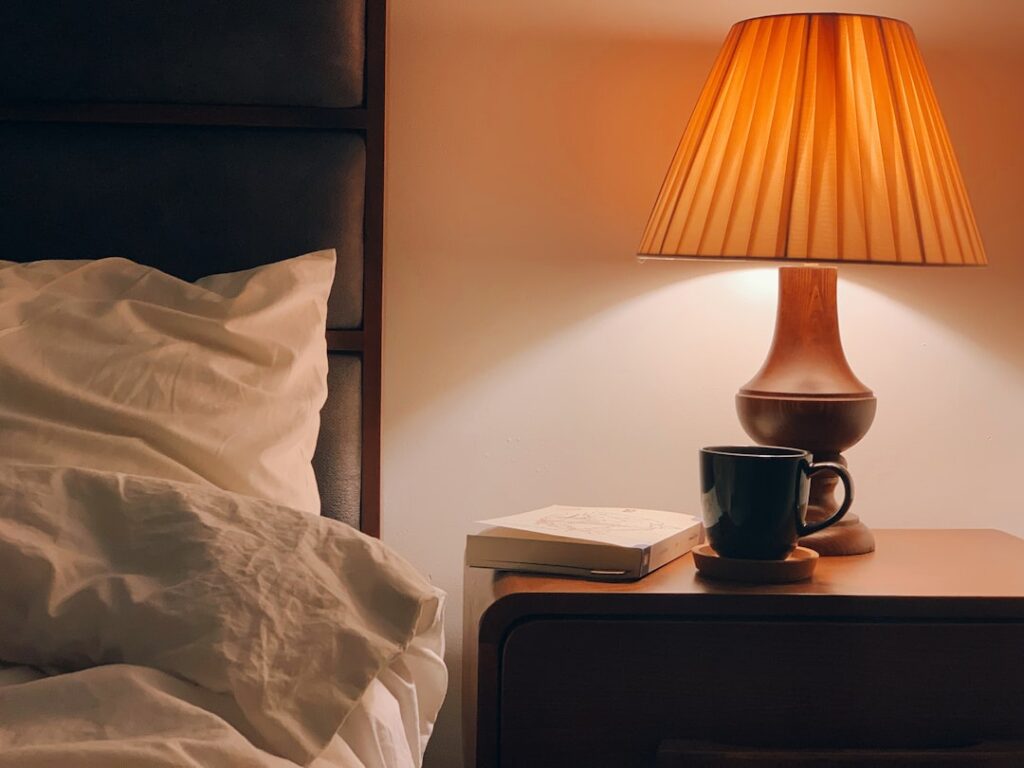
A busy day does not always end when you close your laptop or turn off the television. Your mind may still be moving quickly, which is why a simple wind-down routine can make the transition toward bedtime feel calmer and more predictable.
Relaxing before bed is not about forcing yourself to sleep. It is about creating conditions that make rest easier: less stimulation, a comfortable environment and a sequence of familiar habits that signals that the active part of the day is ending.
8 steps to relax before bed
1. Give yourself a transition period
Instead of moving directly from work, social media or entertainment into bed, create a short transition. Put away unfinished tasks, lower the pace of the evening and choose activities that do not demand intense concentration.
2. Reduce bright light and screen stimulation
Phones and laptops can keep an evening mentally busy even when you are physically tired. Consider moving messages, news and social feeds earlier in your evening. If you need a phone nearby, use it intentionally rather than continuously scrolling.
3. Prepare your bedroom
A bedroom that feels quiet, comfortable and uncluttered can support a better wind-down experience. Adjust the room temperature to your comfort, reduce unnecessary light and prepare anything you need for the morning so you are not thinking about it in bed.
4. Try slow, comfortable breathing
You do not need a complicated technique. Sit or lie comfortably, breathe gently and allow your exhale to be unhurried. If counting makes you more alert, simply notice the rhythm of your breathing instead.
5. Release physical tension
After sitting, driving or working for hours, your body may still feel tense. Gentle movement or comfortable stretching can be part of your evening routine. Avoid turning bedtime into a demanding workout.
6. Choose a quiet activity
Reading a few pages, listening to calm audio, preparing clothes for tomorrow or writing a short to-do list can provide a clear end to the day. Pick something you genuinely find relaxing rather than something you think you should find relaxing.
7. Keep tomorrow’s worries outside the bed
If your mind repeatedly returns to tasks, write them down. A simple list can help separate planning time from rest time. You can return to those items the next day rather than solving everything at bedtime.
8. Make the routine realistic
A good routine should work on ordinary days, not only perfect ones. Start with two or three habits you can repeat consistently. A ten-minute routine you actually follow can be more useful than an elaborate plan you abandon.
A simple example
- Finish demanding tasks and messages.
- Dim unnecessary lights and reduce screen use.
- Prepare your bedroom and tomorrow’s essentials.
- Choose a quiet activity.
- Spend a few minutes breathing or gently releasing tension.
- Go to bed when you are ready for rest.
Choose a routine by how much time you have
If you have 5 minutes
Put the phone down, lower the lights, write down tomorrow’s most important task and take a few slow, comfortable breaths.
If you have 15 minutes
Add a warm shower, light stretching or a few pages of a book. Keep the sequence simple enough to repeat most nights.
If you have 30 minutes
Finish work-related messages, prepare the room, choose one quiet activity and give yourself an unhurried transition instead of trying to switch instantly from a busy day to sleep.
Read Next
- Sleep Hygiene: 10 Simple Habits for Better Sleep
- Breathing Exercises for Relaxation: 7 Simple Techniques
- Start Here: Wellness Guides
Final thought
There is no single perfect nighttime routine. Aim for an environment and sequence of habits that feel calm, repeatable and compatible with your life. If sleep problems are persistent or significantly affect your daily life, consider discussing them with a qualified healthcare professional rather than relying only on lifestyle content.
Reviewed under the Tranquilla Spa Editorial Standards. This article provides general lifestyle and wellness information and is not medical advice.
Featured photo by samira sadeqi on Unsplash.