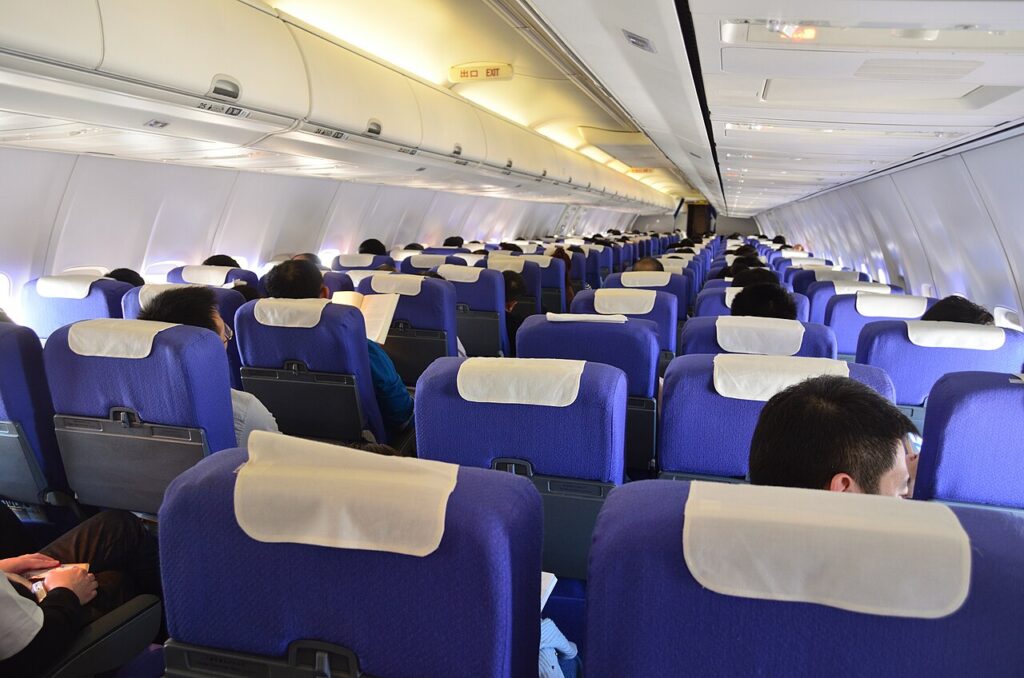
The first morning after a long flight sets the tone for the rest of your day. You may wake earlier than expected, feel heavy and foggy, or feel surprisingly energetic before crashing later. A simple routine helps you respond to how you actually feel rather than forcing a perfect schedule.
Start with local daylight
Open the curtains soon after waking and, when practical, spend some time outdoors. Light is one of the strongest signals for the body clock, which is especially important after crossing time zones.
Drink, but do not overcorrect
Have water with breakfast and continue drinking during the morning. There is no need to force extreme volumes. If the weather is hot, increase attention to fluids and take heat into account when planning activity.
Eat a normal breakfast
Travel can distort hunger cues. Choose a breakfast that feels familiar and includes enough energy for the morning: for example, yogurt and fruit, eggs and toast, oatmeal, or another balanced option that suits you. If your appetite is low, start smaller rather than skipping all food and then becoming ravenous later.
Move gently
A relaxed walk can help with stiffness and gives you more daylight exposure. It does not need to be a workout. If your legs feel unusually swollen, painful or red on one side, or you have chest pain or shortness of breath, those are not symptoms to treat as ordinary travel fatigue; seek medical care.
For ordinary post-flight stiffness, see our long-flight recovery guide.
Use caffeine strategically
If you normally use caffeine, morning is generally easier on nighttime sleep than late afternoon or evening. Avoid repeatedly increasing your intake to fight fatigue because this can delay the next night’s sleep.
Choose one priority for the morning
Instead of trying to fit sightseeing, shopping, a hard workout and work messages into the first few hours, choose one main activity. Keeping the morning manageable gives you room to adjust if travel fatigue hits later.
Think carefully about naps
If you are very sleepy, a brief early-afternoon nap may help. Avoid turning it into several hours of daytime sleep. Read should you nap after a long flight? for a practical timing guide.
FAQ
Should I exercise the morning after a long flight?
Light activity is often reasonable if you feel well. A demanding session may be better postponed if you are severely sleep-deprived or dehydrated.
What if I wake at 4 a.m. after travel?
That can happen while your body clock adjusts. Keep the environment dark and quiet until closer to local morning, then use daylight as a time cue.
Should I skip breakfast if I am not hungry?
You do not need to force a large meal. A smaller familiar breakfast can be a useful way to start aligning eating with local time.