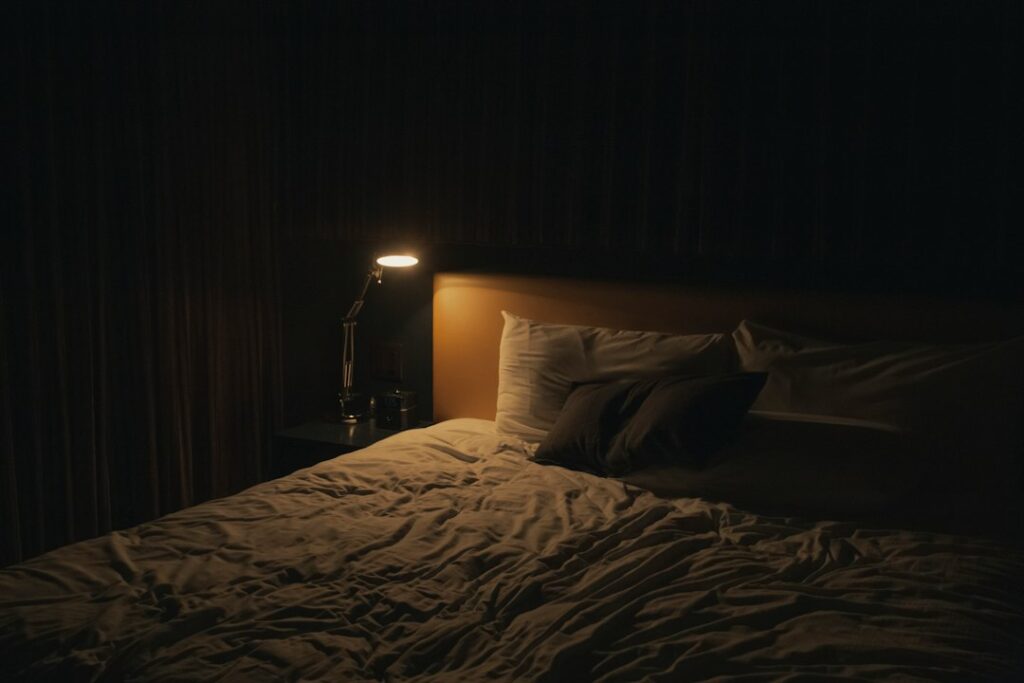
A bedroom that feels comfortably cool is often easier to sleep in than one that is hot and stuffy. Body temperature naturally falls as you prepare for sleep, and excessive heat can interfere with that process. There is no single perfect thermostat setting for everyone, but the goal is a room that feels cool without making you shiver.
Why heat can disturb sleep
Hot rooms can make it harder to fall asleep and may increase awakenings. Humidity can add to discomfort because sweat evaporates less efficiently. Heavy bedding, memory-foam heat retention, hormonal changes, fever and warm climates can all influence how hot you feel.
What temperature should you try?
Many sleep organizations suggest that adults often sleep comfortably in the mid-to-upper 60s Fahrenheit, but personal preference matters. Older adults, children and people with medical conditions may need different settings. Rather than chasing a single number, adjust the room and bedding until you are neither sweating nor feeling cold.
Ways to cool the sleep environment
Use breathable bedding, lighter sleepwear, a fan or air conditioning when appropriate, and block direct daytime heat with curtains or blinds. If the air is very dry or very humid, improving humidity control can also make the room feel more comfortable.
Temperature is only one factor
Noise, light, stress, caffeine and an irregular schedule may matter just as much. Our nighttime relaxation routine and sleep hygiene guide can help you review the rest of your sleep environment.
If night sweats are new, drenching, persistent or accompanied by fever, unexplained weight loss or other concerning symptoms, seek medical advice rather than treating the room temperature as the only cause.