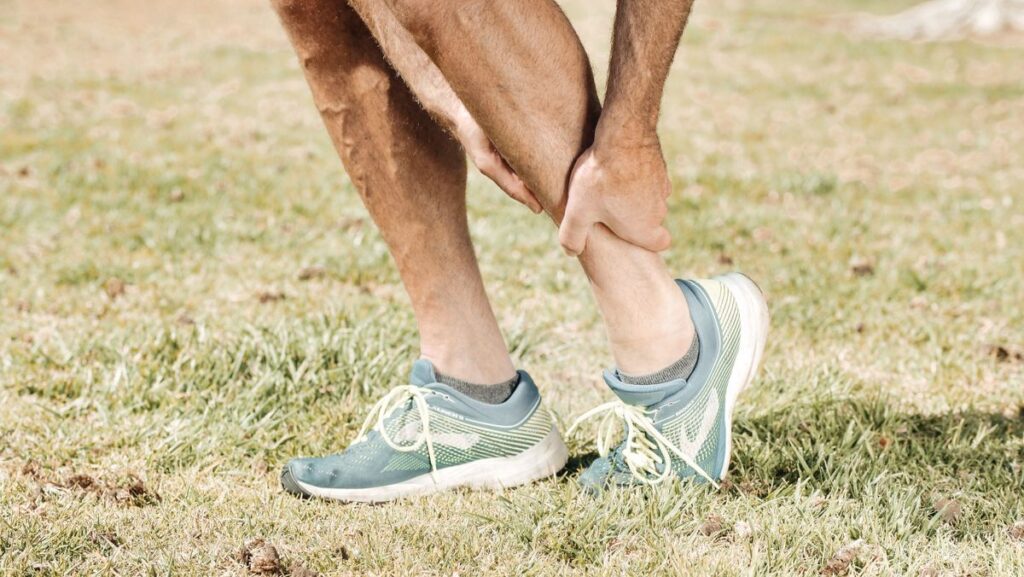
Quick answer: Some people naturally place more pressure on the outer edge of the foot when they walk. This pattern is often described as supination. It can be influenced by foot shape, ankle mobility, footwear, previous sprains, and how the leg moves as a whole.
Not every person who wears the outside edge of a shoe has a problem. The important question is whether the pattern is linked to pain, repeated ankle rolling, instability, or difficulty walking comfortably.
What supination means
Supination is part of normal foot movement, but some people remain more on the outer edge during stance. A higher-arched or relatively rigid foot can make this more noticeable.
Clues you may notice
- More wear along the outer edge of shoes.
- Repeated ankle sprains or a feeling of rolling outward.
- Pressure along the outside of the foot.
- Calf tightness or discomfort after long walks.
These signs are not a diagnosis by themselves. Shoe wear can also reflect the shoe design, surface, or individual habits.
What may contribute
Foot structure, previous injuries, limited ankle mobility, weak balance control, and unsuitable footwear can all affect loading. Sometimes the issue is not the foot alone; hip and leg mechanics can change how weight reaches the ground.
What may help
Use comfortable shoes that feel stable without forcing your foot into an unnatural position. Build walking volume gradually. Balance work, calf strengthening, and ankle mobility exercises may help some people when performed comfortably.
Do you need special insoles?
Not automatically. Buying corrective devices based only on a shoe-wear pattern can be unnecessary. If you have persistent pain or repeated injuries, a podiatry or physiotherapy assessment can determine whether an insole or other intervention is appropriate.
When to get assessed
Seek professional assessment for repeated ankle sprains, persistent outer-foot pain, numbness, progressive deformity, weakness, or difficulty walking. Sudden severe pain after an injury also deserves evaluation.
Related Tranquilla guides
This article is general education and cannot diagnose gait or foot structure.