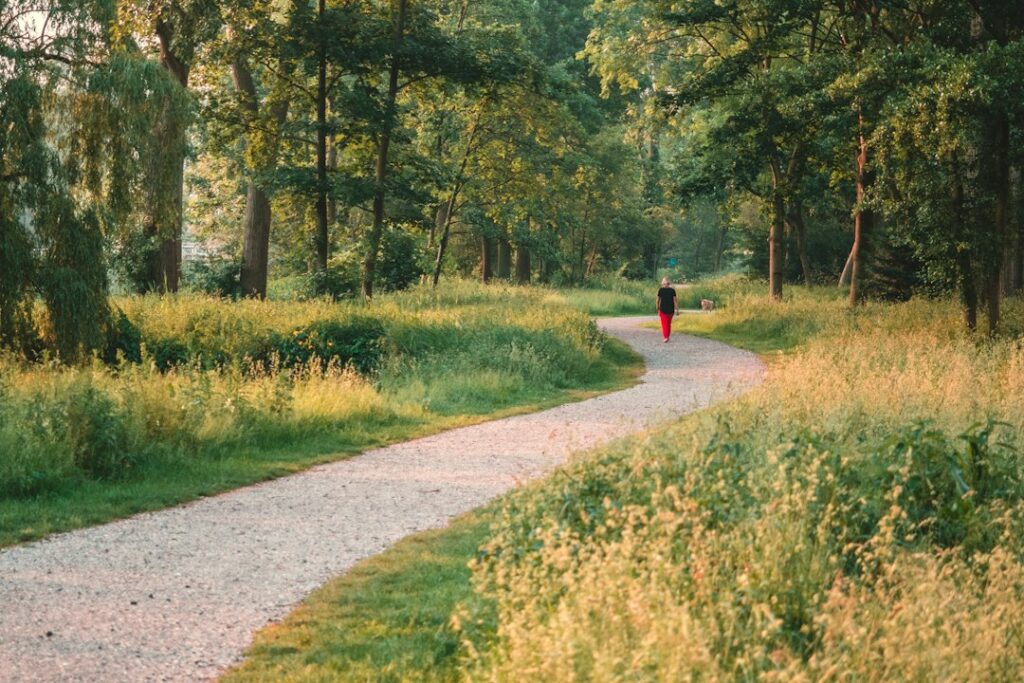
Walking is one of the simplest ways to build more movement into your day, but many people wonder whether it is better to walk before breakfast or after eating. The short answer is that both can be useful. The best choice usually depends on your goals, comfort, schedule, and how your body feels.
Walking before breakfast
A morning walk before breakfast can feel light and refreshing, especially if you prefer exercising on an empty stomach. For many people, the main benefit is consistency: getting the walk done early can make it less likely that the day becomes too busy.
If you feel dizzy, weak, or unusually hungry when walking before eating, have a small snack or move the walk until after breakfast. There is no health advantage to forcing fasted exercise if it makes you feel unwell.
Walking after breakfast
A gentle walk after breakfast may help reduce post-meal sluggishness and can support healthy blood sugar responses. You do not need a hard workout. A comfortable 10–30 minute walk is enough for most people.
Walking after breakfast may also be easier if you need fuel before activity, especially if you are older, exercising for longer, or taking medicines that affect blood sugar.
Which option is better for weight management?
Total activity, food intake, sleep, and consistency matter far more than whether the walk happens before or after breakfast. Choose the timing you can repeat most days.
What pace should you use?
A brisk but comfortable pace works well. You should be able to speak in short sentences without feeling breathless. If you are starting from a low activity level, begin with 10 minutes and build gradually.
Simple decision guide
- Choose before breakfast if you enjoy morning movement and feel good without food.
- Choose after breakfast if you prefer more energy or want movement after a meal.
- Choose whichever time is easiest to repeat consistently.
If you are working on a daily walking habit, see our guide on walking 30 minutes a day. You may also like our article on walking after eating.
When to be cautious
If you have diabetes, heart disease, frequent dizziness, or are recovering from illness, ask a healthcare professional about the safest timing and intensity for exercise.
Does walking before breakfast burn more fat?
Walking before breakfast is often described as “fasted cardio.” During a fasted walk, your body may use a greater proportion of fat for fuel during that particular session because less recently eaten carbohydrate is available. That does not automatically mean you will lose more body fat over weeks or months. Long-term weight change depends much more on total energy balance, food intake, overall activity, sleep, and whether you can maintain the routine.
If your main goal is weight management, focus first on the total amount of walking you can sustain. A consistent 20–40 minute walk most days is usually more useful than choosing a theoretically “perfect” time that you rarely manage. Our walking for weight loss guide explains how duration, pace, weekly volume, and food habits fit together.
Why walking after breakfast can be useful
Light-to-moderate movement after a meal gives your muscles an immediate reason to use glucose from the bloodstream. For many people, that makes a short post-breakfast walk a practical habit for supporting post-meal blood sugar control. You do not need to walk hard; even a comfortable walk can be worthwhile.
Timing also matters for comfort. If breakfast is large, high in fat, or very filling, you may prefer to wait a little before walking briskly. If breakfast is light, an easy walk soon afterward may feel completely comfortable. Pay attention to fullness, reflux, nausea, or cramping and adjust the pace or timing rather than forcing the session.
For more detail, read our guide to walking after eating.
How long should you walk?
There is no single duration that works for everyone. A useful starting point is 10–20 minutes, especially if you are new to regular exercise or are using the walk mainly to build a morning habit. If you already walk regularly, 30 minutes or longer may fit easily into your routine.
You can also split activity into shorter walks. Three 10-minute walks across the day can still add meaningful movement, particularly if a long session is difficult to schedule. The goal is to create a pattern you can repeat rather than treating one walk as an all-or-nothing workout.
How hard should the walk feel?
For general health, aim for a pace that feels purposeful but controlled. A simple “talk test” can help: at a moderate pace, you should still be able to speak in sentences, although you may notice your breathing is faster than at rest. If you cannot talk comfortably, slow down unless you intentionally planned a more vigorous workout and are accustomed to that intensity.
People who are just starting can begin with easy walking and gradually increase pace. Our guide to brisk walking explains how to judge pace without needing special equipment.
What should breakfast look like if you walk afterward?
You do not need a special “walking breakfast.” A balanced meal that includes some protein, fiber-rich carbohydrate, and foods you tolerate well is usually a practical approach. Examples might include yogurt with oats and fruit, eggs with whole-grain toast, or another familiar breakfast that gives you energy without leaving you overly full.
If you plan a longer or harder walk, eating beforehand may help some people feel stronger. If the walk is short and easy, many people are comfortable with either option. Personal tolerance matters more than copying someone else’s routine.
Before or after breakfast for different goals
- For consistency: choose the time that is easiest to protect from work, family, and other interruptions.
- For post-meal movement: walking after breakfast is the more direct option.
- For a quiet morning routine: a pre-breakfast walk may feel simpler and less rushed.
- For longer walks: eating first may improve comfort and energy for some people.
- For weight management: total weekly activity and eating habits matter more than breakfast timing.
- For fitness: pace, duration, terrain, and progression matter more than whether breakfast comes first.
Can you alternate between both?
Yes. There is no need to choose one timing permanently. You might walk before breakfast on busy weekdays and after breakfast on weekends, or use a short pre-breakfast walk one day and a longer post-meal walk another day. Variety can make the habit easier to maintain and lets you learn which timing feels best under different circumstances.
If you are building consistency from scratch, see our guide on building a daily walking habit. If you are deciding between walking and higher-impact exercise, our walking vs running comparison may also help.
Frequently asked questions
Is it okay to drink water before a morning walk?
Yes. Drinking water before or during a walk is generally sensible, especially in hot weather or if you wake up thirsty. There is no need to avoid water simply because you are walking before breakfast.
Should I drink coffee before walking?
Some people enjoy coffee before morning activity, while others experience stomach upset, jitters, or reflux. If you already drink coffee and tolerate it well, timing it before a walk is mainly a personal preference. It is not required for a useful walking session.
Is walking after breakfast good for digestion?
Gentle movement after eating can feel comfortable for many people and may help reduce the sense of sitting heavily after a meal. If you experience pain, persistent bloating, reflux, or other ongoing digestive symptoms, do not assume walking alone will solve the cause.
What if I feel weak walking before breakfast?
Stop, slow down, or eat something. Feeling unwell is not a sign that fasted walking is “working better.” Choose a timing that supports safe, comfortable activity.
Bottom line
Walking before and after breakfast can both support health. The best option is the one that feels comfortable, fits your routine, and helps you stay active consistently.