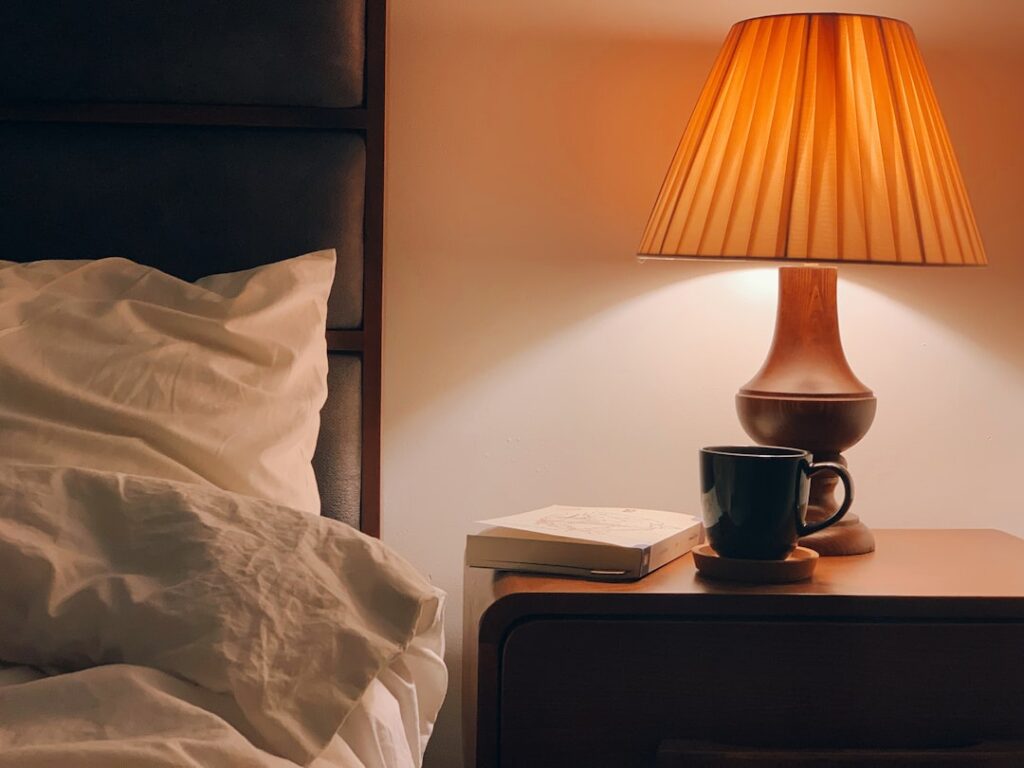
Waking at 4 or 5 a.m. when your alarm is not due for hours can be one of the most frustrating sleep problems. You may fall asleep normally, sleep for several hours, then suddenly find yourself wide awake. The room is dark, your body feels tired, but your mind will not switch off again.
Early-morning waking can happen for many reasons, including stress, an overly early sleep schedule, alcohol, depression, menopause, pain, environmental changes, and insomnia. Sometimes it is temporary. Other times it becomes a repeated pattern. This guide explains common causes and practical steps that may help.
Is waking early always a problem?
Not necessarily. Some people naturally prefer an early sleep and wake schedule. If you fall asleep at 9 p.m., wake at 5 a.m., feel refreshed, and function well, that may simply be your normal rhythm. The problem is when you wake much earlier than intended, cannot return to sleep, and feel tired or impaired during the day.
Early waking is one form of insomnia, along with difficulty falling asleep and repeated nighttime awakenings.
1. You may be going to bed earlier than your body needs
If you spend nine or ten hours in bed but only need around seven or eight hours of sleep, your body may simply finish sleeping before your desired wake time. Going to bed very early because you fear poor sleep can unintentionally increase time awake in bed.
Try comparing your actual sleep time with the amount of time you are allowing. If you consistently wake early but still get enough sleep and feel reasonably rested, your bedtime may be earlier than necessary.
2. Stress can trigger early waking
Stress hormones naturally begin to rise toward morning as the body prepares to wake. When you are anxious or under pressure, that normal rise can feel exaggerated. You may wake with immediate thoughts about work, finances, family, travel, or a difficult conversation.
A planned evening “worry period” can help. Spend 10 to 15 minutes earlier in the evening writing down concerns and next steps. This gives your brain a scheduled place for problem-solving instead of using 4 a.m.
3. Depression and mood changes can affect sleep
Early-morning waking can occur alongside depression, although it is not specific to depression and does not mean you have it. If early waking comes with persistent low mood, loss of interest, hopelessness, appetite changes, or difficulty functioning, speak with a healthcare professional.
Sleep and mood influence each other in both directions, so addressing one can sometimes help the other.
4. Alcohol may be fragmenting the second half of the night
Alcohol can make you fall asleep quickly, but as it is metabolized, sleep often becomes lighter and more fragmented. This can lead to waking in the early morning and struggling to return to sleep.
If early waking follows evenings when you drink, test a period with less or no alcohol near bedtime and compare the pattern.
5. Caffeine may still be affecting you
Caffeine can remain active for many hours. Some people metabolize it slowly and are especially sensitive to afternoon or evening intake. Even when caffeine does not stop you from falling asleep, it may contribute to lighter sleep.
Try keeping caffeine to the morning for a week or two. Include tea, energy drinks, cola, pre-workout products, and chocolate when considering total intake.
6. Your bedroom environment changes toward morning
Early sunlight, traffic, birds, household activity, heating systems, pets, or a partner’s alarm can trigger waking. Because sleep is naturally lighter toward morning, environmental disturbances become more noticeable.
Blackout curtains, an eye mask, earplugs, or gentle white noise may help if a clear environmental trigger is present.
7. Menopause and temperature changes
Hot flushes and night sweats during perimenopause and menopause can cause awakenings, including in the early morning. Hormonal changes can also affect mood and sleep quality more broadly.
If these symptoms are frequent or disruptive, discuss treatment options with a clinician rather than relying only on sleep tips.
8. Pain or physical discomfort may become more noticeable
Back pain, neck stiffness, arthritis, reflux, headaches, and other discomforts may wake you as sleep becomes lighter. If you repeatedly wake because of pain, the underlying issue needs attention. Adjusting sleep position or bedding may help, but persistent or worsening pain should be medically assessed.
9. Sleep apnoea can fragment sleep
Obstructive sleep apnoea causes repeated breathing interruptions during sleep. People may not remember the events, but they can experience unrefreshing sleep, morning headaches, loud snoring, gasping, or major daytime sleepiness.
If someone has noticed breathing pauses or choking sounds, seek assessment. Sleep apnoea is not something to treat with sleep hygiene alone.
10. Your circadian rhythm may have shifted earlier
Some people develop an advanced sleep pattern in which they become sleepy very early in the evening and wake very early in the morning. This is more common with increasing age but can occur in younger adults too.
Light timing can influence the body clock, but treatment depends on the exact pattern. If your schedule is severely shifted and difficult to change, a sleep professional can help identify whether a circadian rhythm disorder is involved.
What should you do when you wake too early?
First, avoid turning the awakening into an emergency. Do not repeatedly check the clock. Keep lights low and avoid opening email, news, or social media. If you feel calm and comfortable, simply resting may allow sleep to return.
If you remain awake for a prolonged period and become frustrated, get out of bed. Sit somewhere quiet in dim light and read or listen to something calm. Return to bed when sleepiness comes back.
Should you stay in bed until your alarm?
If you are relaxed, staying in bed for a while is fine. But spending hours awake and frustrated can strengthen the association between bed and wakefulness. When the bed becomes a place for worrying, watching the clock, and trying hard to sleep, insomnia can become more persistent.
Should you go to bed earlier the next night?
Usually not by several hours. An extremely early bedtime can make early waking more likely. Keep your wake time fairly consistent and go to bed when sleepy. If you need more sleep, move bedtime earlier gradually rather than dramatically.
What about naps?
If early waking leaves you exhausted, a short nap may help. But long or late naps can reduce sleep pressure that evening. If your goal is to consolidate nighttime sleep, keep naps brief and earlier, or avoid them temporarily if you can do so safely.
A one-week plan for early waking
- Keep the same wake time each day.
- Avoid moving bedtime much earlier after a bad night.
- Get daylight after your intended wake time.
- Keep caffeine earlier in the day.
- Reduce alcohol near bedtime.
- Make the room dark and quiet toward morning.
- Write down worries before bed.
- Do not check the clock repeatedly when you wake.
- Leave the bed briefly if frustration builds.
Record bedtime, wake time, early awakenings, alcohol, caffeine, and daytime sleepiness. Patterns often become clearer after several days.
When should you seek professional help?
Talk with a healthcare professional if early waking happens most nights for weeks, causes major daytime problems, or is accompanied by severe low mood, anxiety, loud snoring, gasping, breathing pauses, significant pain, night sweats, or unexplained health changes. Cognitive behavioral therapy for insomnia can be effective when insomnia becomes chronic.
Seek urgent help if you have thoughts of self-harm or another severe acute symptom.
The bottom line
Waking too early can be caused by timing, stress, alcohol, mood changes, environmental disturbances, pain, menopause, or a sleep disorder. Start by keeping your schedule consistent, reducing late stimulation, limiting alcohol and late caffeine, and avoiding clock-watching. If the problem persists or comes with other concerning symptoms, professional assessment can identify the real cause.
Sources and further reading
This article provides general wellness information and does not replace personalized medical advice.