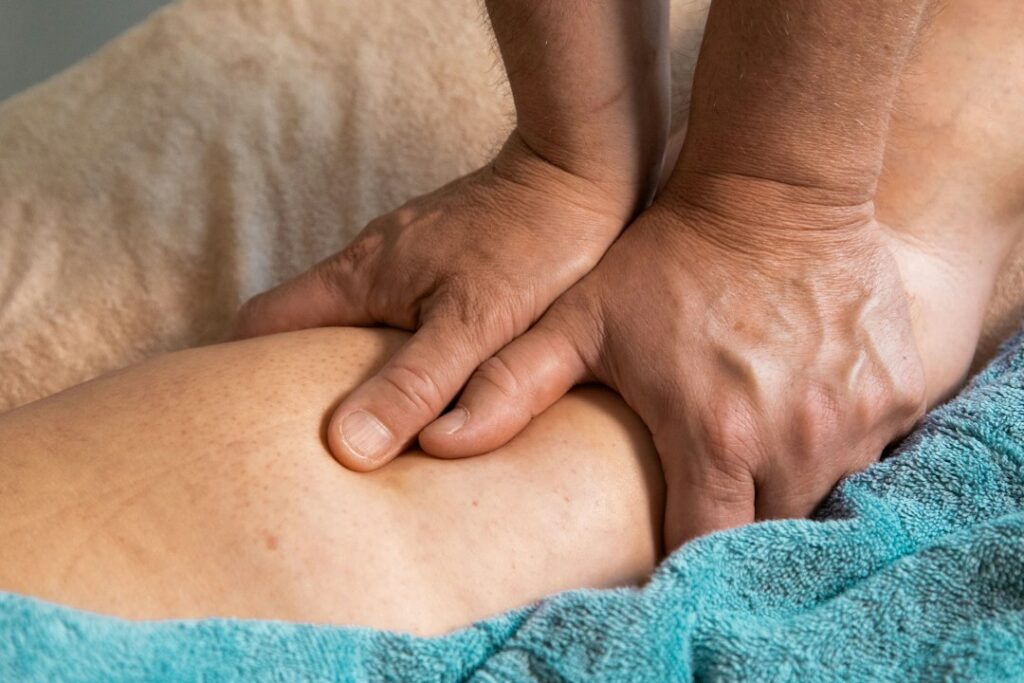
Introducing Kite Surf Massage at Makani Beach. This is a session created for guests who spend time on the water and want their massage to reflect what they actually do there. Kitesurfing can ask something different of the shoulders, hands, back, hips, legs and feet from one day to the next. Our approach blends several familiar massage styles into one comfortable experience, shaped around your ride and your preferences.
It is a wellness service, not a medical or physiotherapy treatment. You do not need to be an expert rider to enjoy it, and you never need to tolerate painful pressure to “get a result.”
What makes this session different?
A standard full-body massage generally follows a similar sequence for everyone. Kite Surf Massage begins with a conversation: Did you spend the afternoon practising water starts? Were you riding for hours, handling the bar frequently, or simply looking for a calming finish to the day? Have you fallen or developed any new pain? Your answers guide which areas receive more time and which areas should be left alone.
The treatment brings together three complementary elements. Flowing relaxation strokes help make the session unhurried. Focused sports-style work can be directed to areas that feel tired, such as the upper back, shoulders, forearms, hands, hips, calves and feet. Gentle, comfortable movement may be included if it suits you. This is a mix of techniques in one session, rather than a claim that one technique works for every kitesurfer.
How a 60-minute session may flow
The following is an example, not a rigid protocol. The therapist adjusts it with you before and during the session:
- Check-in and comfort: discuss today’s ride, your preferred pressure, skin sensitivity, recent falls and any areas to avoid.
- Settling in: begin with slow, flowing work to help you relax after the noise and movement of the beach.
- Selected upper-body focus: spend time on the shoulders, upper back, forearms or hands if those are the areas that feel most worked.
- Selected lower-body focus: give comfortable attention to hips, calves and feet if board time has left those areas feeling tired.
- A calm finish: finish at a pressure that still feels good, rather than forcing deep work at the end.
For a 45-minute visit, the same idea applies with a narrower focus. You might choose shoulders and forearms, or calves and feet, instead of trying to cover every region. Tell us if you want gentle relaxation throughout; the session should match your preferences.
The mix is purposeful, not a fixed recipe
“Mixed massage” can sound vague unless the guest understands what is actually happening. Here, the combination serves a clear purpose: begin at a comfortable pace, focus on the body areas you select, and finish in a way that leaves the visit enjoyable. The therapist may use broad, flowing palm strokes for relaxation and slower, more focused manual work for muscles that feel tired. If gentle movement is included, it stays within a comfortable range; the therapist does not force a stretch.
Our therapists do not need to press hard simply because the guest plays a sport. For some riders, a light-to-medium session is ideal after sun and wind. Others prefer more focused pressure in areas that are not injured. Say what you like, say what you do not like and ask to change course at any time. This conversation is part of the service rather than an interruption to it.
What to tell us when you request a time
- Your preferred length: 45 minutes if you want a focused visit, or 60 minutes for a more unhurried sequence.
- Your ride: tell us if you are just beginning, have spent a long day on the water, or are taking a rest day. This gives context without requiring technical detail.
- Your priorities: name up to two areas you would like more time on. It is equally useful to say you want only relaxation.
- Any reasons to adapt: mention sunburn, skin sensitivity, recent falls, a new pain, allergies or a relevant medical condition before treatment.
If you book in a group, each rider can make a different choice. One guest may want shoulders and forearms; another may want calves and feet; a third may simply want a quiet full-body session. Our name for the treatment identifies the beach activity, not a requirement that every guest receive identical work.
When should I book it?
Many guests prefer a session after they have finished riding for the day, with enough time to cool down and settle. Others enjoy it on a rest day. If you are about to ride again immediately, make your choice around how you feel and avoid asking for very firm pressure that leaves you uncomfortable. There is no evidence that a pre-ride massage will make you faster, stronger or safer on the water.
A 2020 systematic review found no evidence of direct improvements in sporting performance from sports massage, while suggesting possible modest benefits for flexibility and delayed-onset muscle soreness. We describe Kite Surf Massage as a tailored comfort and relaxation experience, not an injury-prevention method or a performance guarantee. Read the review.
Why the shoulders, hands, back and legs may all matter
The reason we do not sell this as “just a back massage” is the variety of a kite day. Steering and bar handling may make some guests aware of their hands and forearms; balancing against changing pull may draw attention to the trunk and upper back; time on the board may leave the legs and feet feeling worked. These are practical examples for a comfort-focused session, not a diagnosis of overuse. Published kitesurfing injury studies include the foot and ankle, knees and upper limbs among sites that deserve attention after an actual incident. A massage does not treat those injuries. See the kitesurfing cohort.
That distinction shapes the session. We can adapt ordinary tired-muscle massage. We do not attempt to “fix” a knee injured in a landing, a numb hand or a shoulder that suddenly lost strength. Tell us about those symptoms so we can help you choose the appropriate next step instead of selling the wrong service.
One session or several days of care?
If your El Gouna stay includes several riding days, you can ask to space sessions across the trip: perhaps one after a demanding first day, another after a later day on the water, and a final relaxing visit before leaving. This is an optional booking pattern, not a medical schedule. Some guests want one visit; others prefer more. We reassess the areas and pressure each time instead of repeating the exact same sequence automatically.
Current Makani Beach prices are 45 minutes: €50 and 60 minutes: €60 per session. If you would like several appointments, send your preferred dates in one message and our team will confirm availability and the total before you commit.
Questions guests often ask
Is this the same as deep tissue massage?
No. Some focused work may be included if it feels good and is suitable, but a Kite Surf Massage does not have to be deep. The blend can lean toward gentle relaxation or toward a more muscle-focused session. The pressure and priorities are agreed with you.
Does it include hot stones or essential oils?
Not by default. Those are separate options on the menu and may not suit every guest after sun exposure or with fragrance sensitivity. If you want to know what oil will be used, ask before the session. Tell the therapist about allergies or skin reactions.
Should I book three sessions?
Only if you want to. A multi-day visitor may find it convenient to request several times in advance, while another guest may prefer one session. There is no evidence-based number of massages necessary to kitesurf safely or recover. Each additional visit should be a choice based on comfort, time and budget.
Can I change the focus on my second visit?
Absolutely. A fresh check-in comes before each appointment. If your first treatment focused on upper back and forearms, the next can be calmer and more general, or spend more time around the legs and feet. Your preferences are more useful than repeating a scripted routine.
Who should pause and seek advice first?
Massage is not the right response to every post-ride symptom. A new injury after a fall, major swelling, significant bruising, sharp pain, weakness, numbness, a suspected fracture or an inability to bear weight needs medical attention. Avoid massage over sunburn, open skin or an area that is very tender after impact. Tell your therapist about relevant medical conditions, recent surgery, allergies and pregnancy. The NCCIH massage safety guide explains why individual risks matter, especially with vigorous techniques.
Request your Kite Surf Massage
Tell us the date, whether you prefer 45 or 60 minutes, and anything you would like the therapist to know about today’s ride. See the Makani Beach menu and send a booking request. Your appointment is confirmed only when our team replies with an available time.
The best session is the one you can enjoy and communicate through. Let the therapist know if you want a different pressure, more time on one area or a quieter finish. Your ride was personal; your massage can be, too.