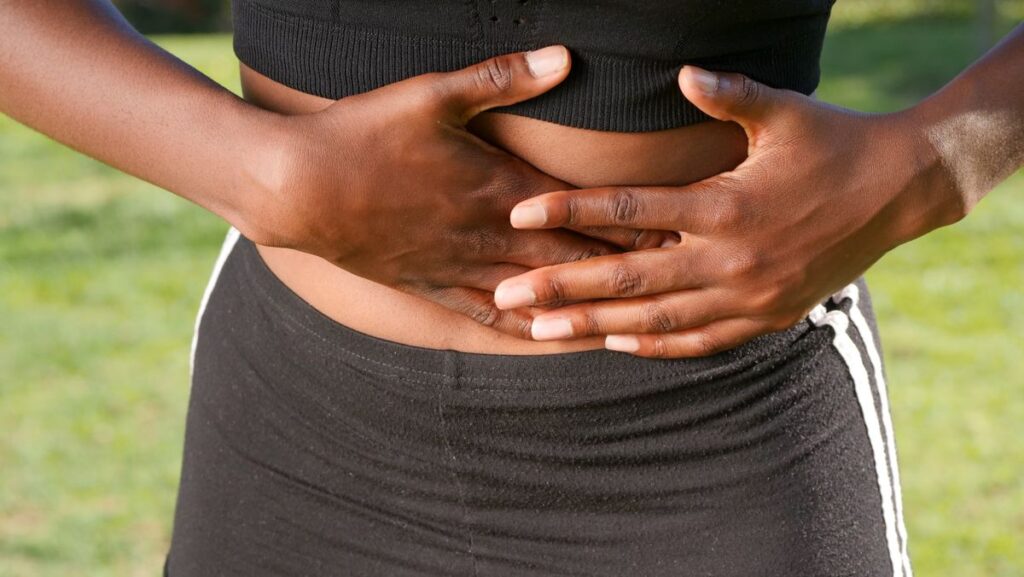
Feeling bloated after a flight is common. The combination of cabin pressure, long periods of sitting, changes in meal timing, fizzy drinks, salty airport food, constipation and swallowed air can leave your abdomen feeling fuller or tighter than usual. For most people, the discomfort settles after normal movement, fluids and regular meals resume.
Bloating after flying is usually uncomfortable rather than dangerous. However, severe abdominal pain, repeated vomiting, blood in the stool, persistent swelling or symptoms that do not improve deserve medical attention. This guide explains the most likely causes and practical steps that may help.
Why can flying make you feel bloated?
Bloating is the sensation of fullness, pressure or swelling in the abdomen. It can happen with or without visible distention. Gas enters the digestive tract when you swallow air and when intestinal bacteria break down carbohydrates. During travel, several everyday habits can increase either gas production or your awareness of it.
Cabin pressure can make intestinal gas expand
Commercial aircraft cabins are pressurized, but cabin pressure is lower than at sea level. Gas already present in your digestive tract can expand as pressure changes. You may notice this as fullness, pressure or more frequent passing of gas. The effect is usually temporary and improves after landing.
This does not mean air travel is damaging the digestive tract. It is mainly a pressure-related change layered on top of the food, movement and stress changes that happen during a travel day.
Long periods of sitting can slow your usual routine
Flights often mean hours of sitting, fewer bathroom visits and less walking than normal. Reduced movement can contribute to constipation or make your abdomen feel sluggish. If you are already prone to constipation, a long travel day may make symptoms more noticeable.
Once it is safe to do so, brief walks through the cabin and gentle ankle and leg movements can reduce prolonged immobility. After landing, an easy outdoor walk is often a comfortable way to restart your normal movement pattern.
Travel meals can be saltier and more processed
Airport and airline meals are often higher in sodium than what you eat at home. Sodium does not create intestinal gas, but a very salty day can contribute to fluid retention and make you feel puffy. Large portions can also increase the sensation of fullness.
Try not to turn the day before a flight into a restrictive diet. Instead, choose familiar meals in moderate portions, include fruit or vegetables you tolerate and keep highly salty snacks as an occasional extra rather than the foundation of the day.
Carbonated drinks add swallowed gas
Fizzy drinks introduce carbon dioxide into the stomach. Gum, hard candy and eating quickly can also increase swallowed air. On a plane, where gas expansion may already be noticeable, these habits can make belching and bloating more obvious.
If you regularly bloat while flying, try still water rather than several carbonated drinks and eat more slowly.
Dehydration can contribute to constipation
The cabin environment is dry, and travel can disrupt normal drinking habits. Not drinking enough may make stools harder in people who are prone to constipation. Hydration is therefore useful for digestive comfort, although it should not be presented as a cure for every travel symptom.
Drink according to thirst and your normal needs. People with heart, kidney or other conditions that require fluid limits should follow their clinician’s advice rather than generic hydration targets.
Alcohol may make the travel day harder
Alcohol can disrupt sleep, change food choices and contribute to dehydration. It can also make you less likely to get up and move on a long flight. If bloating or poor sleep is a recurring problem, reducing alcohol during the travel window is a simple experiment worth trying.
Constipation is a major hidden cause
Travel changes bathrooms, meal times, sleep and routine. Some people delay bowel movements because they dislike public toilets or feel rushed. Over several hours or days, that can lead to constipation, gas and abdominal pressure.
Our travel constipation guide explains the common triggers and practical steps that may help.
Can stress make travel bloating worse?
Yes. The digestive tract and nervous system communicate constantly. Travel stress can change gut motility and make normal sensations feel more intense. Rushing through meals, worrying about boarding and sleeping poorly may all contribute.
Try to leave enough time for meals, use slow breathing if you feel tense and avoid eating a very large meal immediately before boarding simply because it may be your last opportunity to eat.
What to eat before a flight if you bloat easily
There is no universal anti-bloating menu. The safest strategy is to choose foods you already tolerate. A simple meal might include a familiar protein source, rice, potatoes or another tolerated carbohydrate, cooked vegetables and fruit. If beans, onions, large amounts of cruciferous vegetables, very fatty meals or sugar alcohols reliably trigger symptoms for you, a travel day may not be the best time to experiment with them.
Do not remove whole food groups based on internet lists unless you have a clear reason. Persistent digestive symptoms deserve proper assessment.
Should you avoid fiber before flying?
Not automatically. Fiber supports bowel health, but suddenly eating much more than usual can increase gas. The goal is consistency: keep your normal fiber intake rather than having a huge fiber-heavy meal immediately before a long flight.
If constipation is a recurring problem, build fiber gradually in the weeks between trips and drink enough fluid. That is more useful than trying to fix everything on travel day.
What may help during the flight?
- Choose still water if carbonated drinks make you gassy.
- Eat slowly and avoid very large meals.
- Walk periodically when the seatbelt sign is off and it is safe.
- Move your ankles and calves while seated.
- Use the bathroom when you need it instead of repeatedly delaying.
- Keep alcohol modest or skip it if it worsens sleep or digestion.
The CDC also recommends leg movement and periodic walking on long-distance travel to reduce prolonged immobility. That advice is primarily about blood-clot risk, but it also helps break up long periods of sitting.
What to do after landing
Return to normal habits rather than trying a “detox.” Take an easy walk, eat a normal meal, drink according to thirst and give your digestive system time to settle. Many people improve after one bowel movement or after returning to their usual sleep schedule.
If you also feel stiff and tired, see our long-flight recovery guide.
Bloating vs swelling: know the difference
Abdominal bloating is different from swelling in the feet or legs. Mild foot and ankle swelling can occur after long sitting, but one-sided leg swelling, warmth, unexplained pain or tenderness can be a sign of deep vein thrombosis. Sudden chest pain, shortness of breath, coughing blood, fainting or a very fast heartbeat can indicate pulmonary embolism and need emergency care.
Read our guide to swollen feet after flying for more detail.
When should you see a doctor about bloating?
Talk with a healthcare professional if bloating is frequent, increasingly severe or accompanied by persistent constipation or diarrhea, unexplained weight loss, blood in the stool, fever, repeated vomiting or significant abdominal pain. New persistent digestive symptoms should not automatically be blamed on travel.
Frequently asked questions
Why does my stomach look bigger after a flight?
Gas expansion, constipation, meal changes and fluid retention can all contribute. The effect is often temporary.
How long does post-flight bloating last?
Many mild cases improve within several hours to a day after normal eating, movement and bowel habits resume. Persistent symptoms need a broader explanation.
Does drinking more water get rid of bloating?
Water may help if constipation or low fluid intake is part of the problem, but it does not directly remove intestinal gas. Avoid forcing excessive fluids.
Is bloating after flying dangerous?
Usually not. Severe pain, repeated vomiting, blood in the stool or symptoms that persist or worsen should be medically assessed.
Evidence and further reading
The U.S. National Institute of Diabetes and Digestive and Kidney Diseases explains that gas symptoms can include belching, bloating and distention, and that swallowed air and bacterial breakdown of carbohydrates are normal sources of digestive gas. The CDC advises long-distance travelers to move their legs frequently and walk periodically when possible because extended immobility can increase blood-clot risk.
Bottom line
Bloating after flying usually reflects a combination of gas expansion, prolonged sitting, altered meals, constipation, swallowed air and travel stress. Keep meals familiar, limit fizzy drinks if they trigger you, move when it is safe and return to your normal routine after landing. Avoid extreme detoxes or unnecessary food restrictions. If symptoms are severe, persistent or accompanied by red flags, seek medical care.