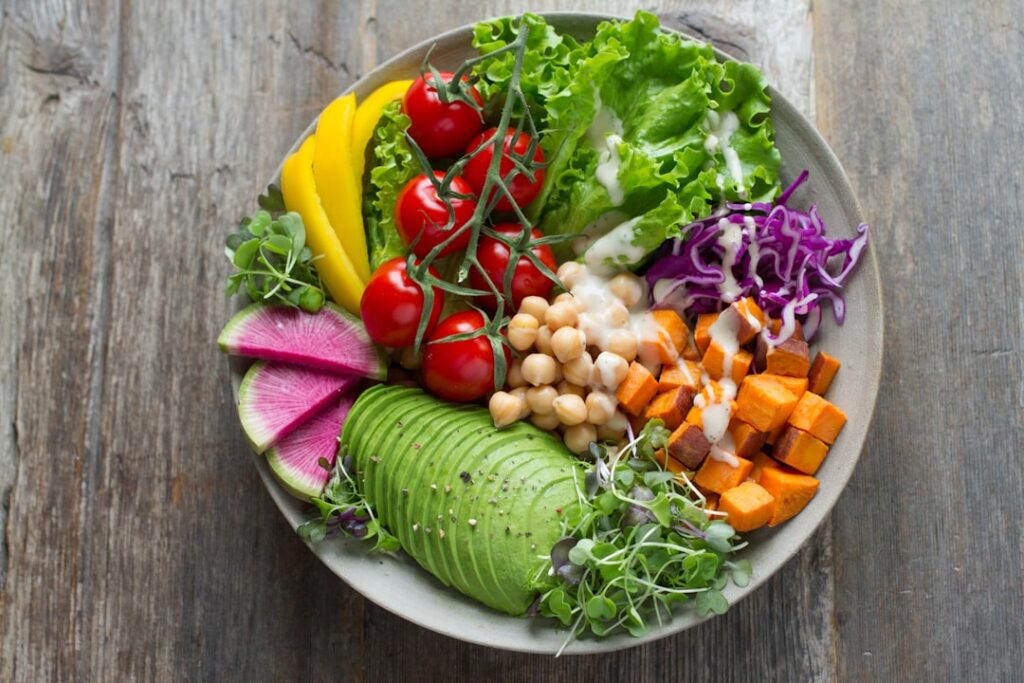
Gut health has become a major wellness topic, but the basics are less complicated than many supplements and social-media trends make them seem. Your digestive system is influenced by what you eat, how much fiber you get, your sleep, stress, activity, medications, hydration, and many other factors. There is no single food or product that can “reset” the gut overnight.
A healthier approach is to support the digestive system with repeatable habits that are backed by reasonable evidence and fit your life. This guide explains what gut health means, what the gut microbiome does, and which everyday habits are most useful.
What does gut health actually mean?
“Gut health” is a broad term. It can refer to digestion, bowel regularity, the balance and diversity of microorganisms living in the gastrointestinal tract, the gut lining, and how the digestive system interacts with immune and metabolic functions.
There is no single test that can tell every person whether their gut is perfectly healthy. Symptoms such as bloating, constipation, diarrhea, pain, reflux, or unexplained weight loss may point to specific issues that deserve medical evaluation rather than a generic gut-health program.
What is the gut microbiome?
The gut microbiome is the community of bacteria and other microorganisms living mainly in the large intestine. These organisms help break down some dietary components, produce certain compounds, and interact with immune and metabolic systems.
Microbiome research is evolving quickly. It is tempting to label individual bacteria as “good” or “bad,” but the reality is more complex. Diversity, overall patterns, diet, medication exposure, and host factors all matter.
1. Eat more types of plant foods
One of the most practical ways to support a varied gut environment is to eat a broad range of plant foods across the week. This includes vegetables, fruit, beans, lentils, whole grains, nuts, seeds, herbs, and spices.
You do not need to hit a perfect number. Instead, ask whether your diet contains the same few foods every day or whether you regularly rotate different plants. Variety can help expose gut microbes to different fibers and plant compounds.
2. Increase fiber gradually
Fiber is one of the most important nutritional factors for digestive health. It adds bulk to stool, helps bowel regularity, and can be fermented by gut bacteria into compounds such as short-chain fatty acids.
Common high-fiber foods include oats, barley, beans, lentils, chickpeas, berries, pears, apples, broccoli, carrots, leafy vegetables, chia seeds, flaxseed, and whole-grain bread.
If your diet is currently low in fiber, increase it gradually. A sudden jump can worsen gas and bloating. Drinking adequate fluids at the same time is also important.
3. Include fermented foods if you tolerate them
Fermented foods can add live microorganisms and different food compounds to the diet. Examples include yogurt with live cultures, kefir, kimchi, sauerkraut, and some traditionally fermented vegetables.
Fermented foods are not suitable for everyone. People with certain digestive conditions may find some varieties irritating, and many commercial products contain high levels of sodium or added sugar. Start with small portions and watch how you feel.
4. Understand the difference between probiotics and prebiotics
Probiotics are live microorganisms that may provide a benefit in specific situations. Prebiotics are food components, usually certain fibers, that are used by beneficial gut microbes.
Not every probiotic supplement works for every problem. Different strains have different effects, and evidence varies by condition. If you are considering a probiotic for a medical reason, ask a clinician or dietitian for guidance rather than choosing only by marketing claims.
5. Eat enough whole foods
A diet built mostly around minimally processed foods naturally tends to provide more fiber, micronutrients, and plant diversity. This does not mean every packaged food is unhealthy. The goal is balance rather than perfection.
Build meals around a source of protein, a fiber-rich carbohydrate, vegetables or fruit, and a source of healthy fat. Our guide to the best foods for gut health provides practical examples.
6. Drink enough fluid
Hydration supports normal bowel function, especially when increasing fiber. Your exact fluid needs depend on climate, activity, body size, pregnancy, health conditions, and diet.
A simple practical check is to drink regularly through the day and respond to thirst. Very dark urine can be a sign that you need more fluids, although urine color is affected by vitamins, medications, and some foods.
7. Move your body regularly
Physical activity supports overall health and may also influence bowel regularity and the gut environment. You do not need intense exercise. Walking is a simple place to start.
If sitting is a major part of your day, try short movement breaks and regular walks. For an accessible routine, see walking 30 minutes a day.
8. Pay attention to stress
The digestive system and brain communicate in both directions. Stress can affect appetite, bowel habits, stomach comfort, and how strongly digestive sensations are perceived.
Stress management does not “cure” digestive disease, but it can reduce one source of symptom aggravation. Breathing exercises, walking, regular sleep, social support, and structured relaxation can all help. See our guide to stress management techniques.
9. Prioritize sleep
Sleep affects metabolic and immune regulation, while digestive symptoms can also disrupt sleep. Aim for a consistent schedule and enough sleep for your needs. If you are frequently waking during the night, investigate the reason rather than relying only on supplements.
10. Avoid unnecessary antibiotic use
Antibiotics are important and sometimes lifesaving, but they can alter the gut microbiome. Use them when prescribed for a bacterial infection and follow the instructions you are given. Do not avoid needed antibiotics because of fear about the microbiome.
After a course of antibiotics, focus on regular meals, fiber-rich foods, hydration, and gradual return to your usual diet unless your clinician gives different advice.
11. Limit excessive alcohol
High alcohol intake can irritate the digestive tract and is associated with many health risks. If you drink, keeping intake low and including alcohol-free days may reduce digestive and general health burden.
12. Do not rely on “detoxes” and cleanses
Juice cleanses, colon cleanses, extreme fasting, and expensive detox products are not required for normal digestive health. Some can cause dehydration, electrolyte problems, diarrhea, or medication interactions.
Your liver, kidneys, lungs, digestive tract, and skin already perform the body’s normal waste-processing functions. A balanced diet and regular bowel habits are more useful than a short-term cleanse.
13. Notice your personal triggers
Not every healthy food feels good for every person. Beans, onions, garlic, dairy, high-fat meals, artificial sweeteners, or very large portions may trigger symptoms in some people.
Keep a short food-and-symptom log if you suspect a pattern. Avoid removing entire food groups without a clear reason because overly restrictive diets can reduce nutritional quality and make eating harder.
14. Eat more slowly
Eating quickly can lead to swallowing more air and may contribute to discomfort or bloating. Slowing down, chewing thoroughly, and giving yourself time to notice fullness can make meals more comfortable.
If bloating is your main concern, read our guide on why you may feel bloated after eating.
15. Support regular bowel habits
For many people, constipation improves with more fiber, enough fluid, regular activity, and responding to the urge to have a bowel movement. A consistent time after breakfast or another meal can help because eating naturally stimulates colon activity.
Persistent constipation, blood in the stool, unexplained weight loss, severe pain, or major changes in bowel habits should be medically evaluated.
What about gut-health supplements?
Supplements can be useful in specific situations, but they should not replace the basics. Fiber supplements may help some people who struggle to get enough fiber from food. Probiotics can be helpful for certain indications, but benefits are strain-specific. Digestive enzyme products are only clearly useful for particular deficiencies or conditions.
Be cautious with products that promise to “heal the gut,” eliminate toxins, or permanently fix bloating within days. These claims often exceed the evidence.
Are home microbiome tests worth it?
Commercial stool microbiome tests can be interesting, but their clinical usefulness is still limited for many everyday wellness decisions. Results may show bacterial patterns without providing a validated action plan. A dietitian or gastroenterologist is more useful when symptoms are persistent.
Signs your gut habits may be improving
Useful changes may include more regular bowel movements, less straining, fewer episodes of uncomfortable bloating, more predictable digestion, better tolerance of a wider range of foods, and improved confidence around meals.
Do not expect digestion to feel perfect every day. Occasional gas, variation in stool frequency, and temporary bloating can be normal.
When to see a doctor
Seek medical advice for persistent or severe abdominal pain, blood in the stool, black stool, recurrent vomiting, unexplained weight loss, anemia, ongoing diarrhea, fever, difficulty swallowing, or a major new change in bowel habits.
People with inflammatory bowel disease, celiac disease, significant food allergies, or other diagnosed digestive conditions should follow individualized medical advice rather than generic gut-health plans.
Frequently asked questions
How long does it take to improve gut health?
Some symptoms can improve within days, while broader changes in diet and bowel habits may take weeks. There is no universal timeline because the cause of symptoms matters.
What is the best food for gut health?
There is no single best food. A varied diet rich in fiber-containing plants is more useful than relying on one “superfood.”
Are fermented foods better than probiotic supplements?
They are different tools. Fermented foods can be part of a normal diet, while probiotic supplements contain specific strains in measured amounts. Whether either is useful depends on the person and the goal.
Can poor gut health cause bloating?
Bloating has many possible causes, including meal size, constipation, food intolerance, swallowed air, and digestive conditions. It should not automatically be blamed on the microbiome.
Bottom line
Supporting gut health naturally usually means doing ordinary things consistently: eat a variety of plant foods, increase fiber gradually, stay hydrated, move regularly, sleep well, manage stress, use antibiotics appropriately, and avoid extreme cleanses. If digestive symptoms are persistent or severe, get a proper medical evaluation instead of trying to solve everything with supplements.