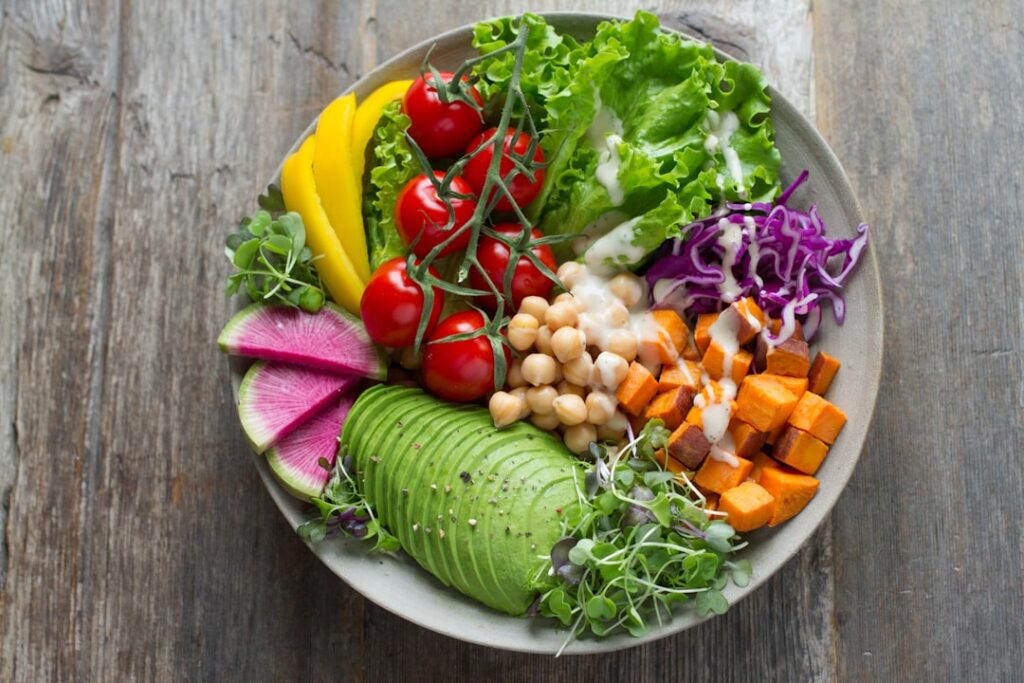
Gut health has become one of the biggest wellness topics online, but the basics are much simpler than many supplements and “detox” programs suggest. Your digestive system does not need a cleanse. It needs a varied, balanced diet that supports normal digestion, regular bowel movements, and the community of microorganisms living in the gut.
No single food can “heal” everyone’s gut. A useful approach is to eat a variety of plant foods, get enough fiber, include fermented foods if you tolerate them, drink adequately, and pay attention to your own symptoms. This guide explains the foods and habits that matter most. For the bigger picture, see our guide to improving gut health naturally and our realistic look at how long gut-health changes may take.
What does gut health actually mean?
Gut health can refer to several things: comfortable digestion, regular bowel habits, an intact intestinal barrier, a diverse gut microbiome, and the absence of significant gastrointestinal disease. Because it is a broad term, be cautious when products claim to “fix your gut” with one powder or capsule.
For most healthy adults, everyday eating patterns matter more than one superfood.
1. Vegetables
Vegetables provide fiber, vitamins, minerals, and plant compounds. Different vegetables contain different types of fiber, which can feed different gut bacteria. Aim for variety across the week rather than eating the same vegetable every day.
Good options include leafy greens, carrots, peppers, tomatoes, broccoli, courgettes, aubergine, and many others.
2. Fruit
Fruit contributes fiber, water, vitamins, and polyphenols. Berries, kiwi, oranges, apples, pears, bananas, and grapes can all fit. Whole fruit is generally more filling and fiber-rich than juice.
If certain fruits cause bloating because of IBS or another condition, tolerance matters. Healthy eating does not require forcing foods that make you feel unwell.
3. Whole grains
Oats, whole-grain bread, brown rice, barley, quinoa, and other whole grains provide fiber and resistant starch. These can support regular bowel movements and provide substrate for gut bacteria.
If your current diet is low in fiber, increase whole grains gradually to reduce gas and bloating.
4. Beans, lentils, and chickpeas
Legumes are excellent sources of fiber, plant protein, and resistant starch. They are among the most useful foods for increasing overall fiber intake.
They can also cause gas when introduced quickly. Start with smaller portions, rinse canned beans, and build gradually.
5. Nuts and seeds
Almonds, walnuts, chia seeds, flaxseed, pumpkin seeds, and other nuts and seeds provide fiber, healthy fats, protein, and micronutrients. A small daily portion can add useful variety.
Ground flaxseed or chia can be added to yogurt or oats, but drink enough fluid when increasing fiber.
6. Fermented dairy foods
Yogurt and kefir can contain live cultures, depending on the product. They also provide protein and calcium. Look for labels indicating live or active cultures if that is your goal.
People with lactose intolerance may tolerate yogurt better than milk, but individual tolerance varies.
7. Fermented vegetables
Sauerkraut, kimchi, and other traditionally fermented vegetables may contain live microorganisms when they have not been heat-treated after fermentation. They can also be high in sodium, so portion size matters.
Fermented foods are optional, not mandatory. You can have a healthy gut without eating kimchi every day.
8. Oats
Oats contain beta-glucan, a soluble fiber that can support cholesterol management and gut health. Oatmeal is an easy breakfast base that can be combined with fruit, nuts, seeds, and yogurt.
9. Potatoes and rice—especially after cooling
Cooked and cooled starchy foods can develop more resistant starch, which is fermented by gut bacteria. This does not mean cold potatoes are a miracle food. It simply adds another way to diversify carbohydrate sources.
Store cooked foods safely and refrigerate promptly.
10. Extra-virgin olive oil
Olive oil provides mostly monounsaturated fat and plant polyphenols. It fits well in Mediterranean-style eating patterns associated with several health benefits.
Use it as one healthy fat source rather than consuming large amounts solely for gut health.
11. Herbs, spices, and plant variety
Garlic, onions, herbs, spices, and many other plant foods contribute small amounts of fiber and diverse plant compounds. Variety matters because different microbes use different substrates.
If you have IBS and react strongly to onions or garlic, a dietitian can help you maintain plant variety without unnecessary symptoms.
What are prebiotics?
Prebiotics are substrates that are selectively used by beneficial gut microorganisms. Certain fibers in foods such as onions, garlic, leeks, asparagus, oats, bananas, and legumes can act as prebiotics.
You do not need a prebiotic supplement to get these compounds. Food sources are widely available.
What are probiotics?
Probiotics are live microorganisms that, when given in adequate amounts, provide a health benefit. Different strains have different effects. This is important: a probiotic that has evidence for one condition cannot automatically be assumed to help another.
If you use a probiotic supplement, choose a product with clearly identified strains and a reason for taking it rather than buying the bottle with the biggest number of organisms.
Do you need to eat 30 plants a week?
The idea of increasing plant diversity is sensible, and research has linked higher plant variety with differences in the gut microbiome. But 30 is not a magic threshold that determines whether your gut is healthy.
Use it as inspiration rather than a strict rule. Vegetables, fruit, whole grains, legumes, nuts, seeds, herbs, and spices all contribute to variety.
What foods can worsen gut symptoms?
There is no universal “bad gut” list. Large amounts of alcohol, highly processed foods, and a chronically low-fiber diet may not support optimal gut health, but individual symptoms matter. Some people react to lactose, high-FODMAP foods, gluten because of coeliac disease, or very fatty meals.
Do not remove multiple food groups based on social-media advice. Restrictive diets can reduce nutritional variety and may make eating unnecessarily stressful.
How much fiber should adults get?
Recommendations differ slightly by country, age, and sex, but many adults fall below recommended fiber intake. Rather than obsessing over an exact number at first, add one or two fiber-rich foods to each meal and increase gradually.
Too much fiber too quickly can worsen gas and bloating.
Hydration and bowel regularity
Fiber works best with adequate fluid. Drink regularly through the day, especially when increasing whole grains, legumes, and seeds. You do not need to force several liters beyond thirst unless there is a specific reason.
Exercise and gut health
Regular movement supports normal bowel function and overall metabolic health. Walking after meals, strength training, cycling, swimming, and other activities can all contribute.
Exercise is one more reason gut health should be viewed as a lifestyle pattern rather than a supplement category.
Sleep and stress matter too
The gut and brain communicate in both directions. Poor sleep and chronic stress can affect digestive symptoms and food choices. Protecting sleep, eating regular meals, and building stress-management habits can support gut comfort.
A simple one-day gut-friendly menu
Breakfast: oatmeal with yogurt, berries, and chia seeds.
Lunch: lentil or chickpea salad with vegetables, whole grains, and olive oil.
Snack: fruit with a small handful of nuts.
Dinner: fish or tofu with potatoes or brown rice and several vegetables.
The point is not the exact menu; it is fiber, plant variety, protein, and foods you tolerate.
When should digestive symptoms be medically assessed?
Seek medical advice for persistent abdominal pain, blood in the stool, black stools, unexplained weight loss, repeated vomiting, ongoing diarrhea, severe constipation, fever, or a major unexplained change in bowel habits. Do not try to “heal the gut” with supplements while ignoring warning signs.
The bottom line
The best foods for gut health are not exotic. Eat a variety of vegetables, fruit, whole grains, legumes, nuts, seeds, and fermented foods if tolerated. Increase fiber gradually, drink adequately, move regularly, sleep well, and avoid unnecessary restrictive diets. Consistency and variety matter far more than a single superfood.
Sources and further reading
- NIDDK: Digestive Diseases
- NHS: Good foods to help your digestion
- NIH Office of Dietary Supplements: Probiotics
This article provides general nutrition education and does not replace medical or dietetic advice.