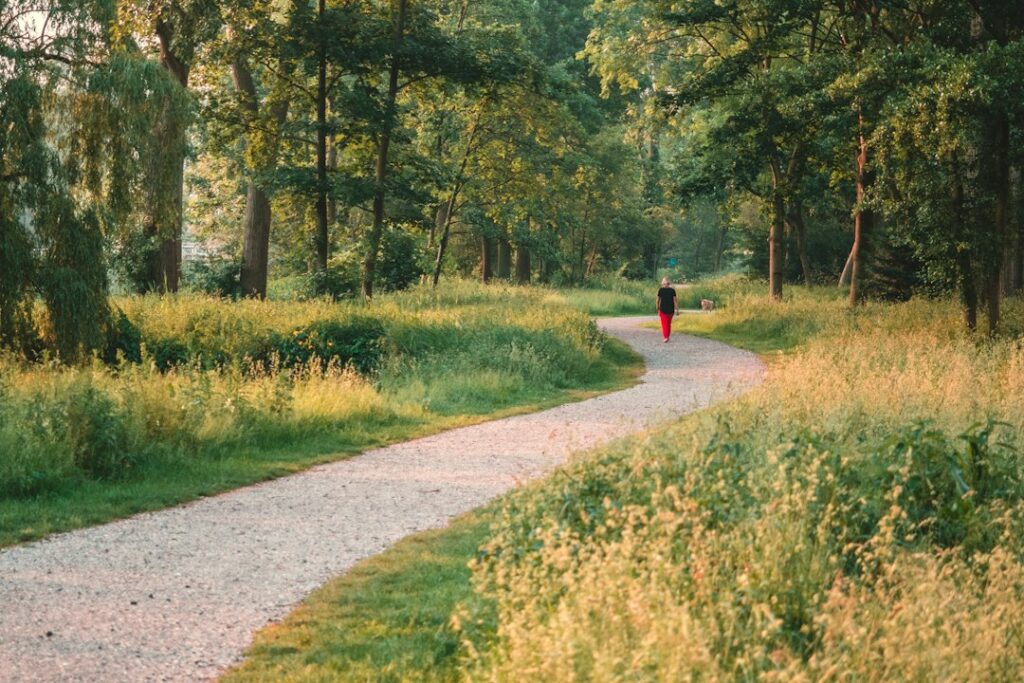
Taking a short walk after eating is one of the simplest wellness habits you can add to the day. It does not require gym clothes, equipment, or a long workout. You finish a meal, put on comfortable shoes, and walk for a few minutes.
Research has increasingly looked at post-meal activity because working muscles can help use glucose from the bloodstream. Walking may also reduce sedentary time, support digestion, and add meaningful activity to the week. This does not mean you need to march after every bite of food. A small, sustainable habit is enough.
Why walking after meals may help blood sugar
After a meal containing carbohydrate, blood glucose usually rises. Muscle contractions can increase glucose uptake, which is one reason light activity after eating may reduce the size of the post-meal glucose rise.
This can be particularly relevant for people with insulin resistance or type 2 diabetes, although medication and blood-sugar management need to be individualized. If you take insulin or glucose-lowering medicines that can cause hypoglycemia, talk with your healthcare team about exercise timing.
How long should you walk after eating?
You do not need a 60-minute workout. Even a brief 10- to 15-minute walk can be useful. Some people prefer three short walks after major meals, while others take one longer walk after dinner.
The best duration is the one you can repeat consistently without digestive discomfort, pain, or schedule stress.
How soon after eating should you walk?
For most people, a gentle walk can begin soon after finishing a meal. You do not need to wait an hour. In fact, walking during the period when blood glucose would otherwise be rising may be particularly useful.
If you have reflux, a very full stomach, or feel uncomfortable immediately after eating, wait 10 to 20 minutes and keep the pace easy.
How hard should you walk?
A comfortable or brisk conversational pace is enough. You should be able to talk. This is not the time for maximal sprints or a hard interval session after a heavy meal.
If the goal is digestion and blood-sugar support, consistency matters more than intensity.
Can walking after eating help digestion?
Gentle movement can support normal gut motility and may help some people feel less sluggish after meals. It can also be useful for constipation when combined with fluids and adequate fiber.
Walking is not a treatment for unexplained persistent abdominal pain, severe bloating, or gastrointestinal disease. Those symptoms may need medical evaluation.
Does walking after meals reduce bloating?
For some people, yes. Gentle walking can help gas move through the digestive tract and may reduce the sensation of fullness. However, bloating has many causes, including constipation, food intolerances, irritable bowel syndrome, and large meals.
If walking consistently worsens abdominal discomfort, reduce the pace or investigate the underlying cause.
Can post-meal walking help with weight management?
Walking uses energy and increases total daily activity. Three 10-minute walks can add 30 minutes of movement without requiring a dedicated workout block. Over time, that can support weight management through walking as part of an overall eating and activity plan.
Do not think of the walk as “burning off” the meal. That mindset can create an unhealthy relationship with food. The goal is health and routine, not punishment.
Is walking after dinner good for sleep?
A calm evening walk can help some people transition out of work mode and reduce stress. It may also provide a pleasant routine with a partner or family member. Keep the pace comfortable.
Very vigorous late-night exercise can make some people feel alert, but an easy walk is unlikely to be a problem for most people.
What about reflux?
For people prone to acid reflux, staying upright after eating is generally preferable to lying down immediately. A gentle walk may be comfortable. Avoid bending repeatedly or doing intense abdominal exercise after a large meal if that worsens symptoms.
Persistent reflux should be discussed with a healthcare professional.
Is walking better before or after meals?
Both can be beneficial. Walking before a meal contributes to overall activity and fitness. Walking after a meal may have a more direct effect on post-meal glucose. You do not have to choose one forever.
If your schedule allows only one daily walk, take it at the time you are most likely to maintain.
What if you work in an office?
Post-lunch walking is an easy way to break up a sedentary workday. You can:
- walk around the building for 10 minutes
- take stairs for part of the route
- walk outside while making a phone call
- park farther from the office
- walk to buy lunch rather than ordering to the desk
A short walk may also improve afternoon alertness.
A simple 7-day post-meal walking plan
Days 1–2: walk 5 to 10 minutes after dinner.
Days 3–4: walk 10 minutes after lunch and dinner.
Days 5–7: aim for 10 to 15 minutes after two meals or whichever pattern fits your schedule.
If you already walk regularly, you can start with more. Beginners should prioritize consistency over speed.
What if you have knee, hip, or back pain?
Reduce duration and pace. A flat route, supportive shoes, indoor walking, or several five-minute walks may be easier. If pain is severe, worsening, or associated with swelling or instability, seek professional guidance.
Can you walk inside?
Absolutely. Hallways, shopping centers, treadmills, and even walking around the home count. Bad weather does not need to break the habit.
If you live in a very hot climate, indoor walking can be safer during peak heat.
What about people with diabetes?
Walking after meals can be a useful strategy, but people taking insulin or certain medications may experience low blood sugar with activity. Carry appropriate treatment for hypoglycemia if advised, monitor glucose according to your care plan, and ask your healthcare team how to adjust activity safely.
What if you feel tired after eating?
A large meal can make you feel sleepy. Instead of lying down immediately, try a five-minute walk. If energy improves, continue for another five or ten minutes.
Extreme or persistent post-meal fatigue may have other causes and is worth discussing with a clinician if it affects daily life.
How does this fit with exercise guidelines?
Adults are generally encouraged to accumulate at least 150 minutes of moderate-intensity aerobic activity per week, along with muscle-strengthening activity on two or more days. Short post-meal walks can contribute meaningfully toward that total.
They do not need to replace other exercise you enjoy.
When should you avoid walking after eating?
Delay activity if you feel faint, have severe abdominal pain, are vomiting, have just had a medical procedure with restrictions, or have another condition where your clinician has advised rest. After an unusually large meal, a very gentle walk may be more comfortable than brisk exercise.
The bottom line
Walking for 10 to 15 minutes after meals is a simple way to add activity, reduce sedentary time, and potentially improve post-meal blood-sugar control. Start at an easy pace and build a routine around one or two meals. You do not need perfect timing or a long workout—regular movement is what matters most.
Sources and further reading
This article provides general wellness information and does not replace individualized medical or diabetes care.