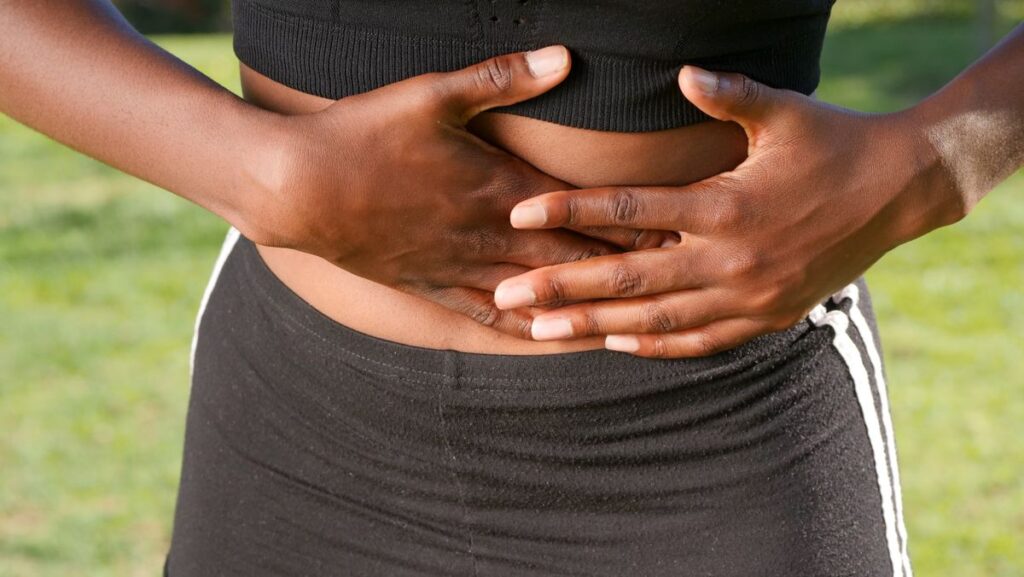
Feeling bloated after eating is extremely common. Your abdomen may feel stretched, tight, full, or uncomfortable, and clothes may suddenly feel more snug. Sometimes there is visible distension; other times the sensation is strong even when the abdomen looks unchanged.
Bloating can happen for many everyday reasons, including eating quickly, large meals, constipation, carbonated drinks, certain carbohydrates, stress, and changes in gut bacteria. It can also occur with conditions such as irritable bowel syndrome, lactose intolerance, coeliac disease, or other gastrointestinal problems. This guide explains common causes and sensible first steps.
What is bloating?
Bloating is the feeling of abdominal fullness or pressure. It is not exactly the same as gas, although gas can contribute. Some people experience distension, meaning the abdomen physically expands, while others mainly notice discomfort.
Occasional bloating after a large meal is usually not concerning. Persistent, severe, or unexplained bloating deserves assessment.
1. Eating too quickly
Fast eating can lead you to swallow more air and may make it easier to overeat before fullness signals catch up. Try slowing the pace, putting utensils down between bites, and chewing enough to make food comfortable to swallow.
You do not need to count a specific number of chews. The goal is simply a calmer meal.
2. Large meals
A very large meal physically stretches the stomach and can make fullness and pressure more noticeable. If you routinely feel uncomfortable after dinner, try slightly smaller portions and distribute food more evenly across the day.
This can be especially helpful when a large meal also contains a lot of fat, which can slow stomach emptying.
3. Carbonated drinks
Soda, sparkling water, beer, and other fizzy drinks contain gas. For some people, that extra gas increases belching and bloating. If you notice a clear pattern, switch temporarily to still drinks and compare symptoms.
4. Constipation
When stool builds up in the colon, bloating and abdominal pressure can increase. Travel, low fluid intake, low fiber intake, stress, and changes in routine can all contribute.
Addressing constipation with fluids, fiber, movement, and appropriate treatment can reduce bloating when stool retention is part of the problem.
5. A sudden increase in fiber
Fiber is important for gut health, but increasing it too quickly can create gas and bloating. Beans, lentils, whole grains, vegetables, fruit, and fiber supplements all feed gut bacteria to some extent.
Increase fiber gradually and drink adequate fluids. Your digestive system often adapts over time.
6. Lactose intolerance
Lactose is the natural sugar in milk. People with low levels of the enzyme lactase may develop gas, bloating, cramps, or diarrhea after consuming certain dairy products.
Tolerance varies. Some people can handle yogurt or hard cheese better than milk. If you suspect lactose intolerance, discuss testing or a structured dietary trial with a clinician or dietitian rather than eliminating dairy indefinitely without a plan.
7. Certain fermentable carbohydrates
Some carbohydrates are poorly absorbed in the small intestine and are then fermented by gut bacteria, producing gas. These are often grouped under the term FODMAPs and include compounds found in foods such as onions, garlic, wheat, certain fruits, legumes, and sweeteners.
A low-FODMAP diet can help selected people with irritable bowel syndrome, but it is restrictive and is best used with professional guidance rather than as a permanent self-imposed diet.
8. Sugar alcohols
Products labeled sugar-free may contain sorbitol, mannitol, xylitol, erythritol, or other sugar alcohols. These can cause gas or diarrhea in some people, particularly in larger amounts.
Check labels on gum, candies, protein bars, and low-sugar foods if bloating seems unexplained.
9. Very fatty meals
Fat is an important nutrient, but high-fat meals can slow stomach emptying and contribute to prolonged fullness. Fried food, heavy cream sauces, large amounts of cheese, or very rich meals may trigger symptoms in sensitive people.
You do not need to remove healthy fats from the diet. Pay attention to portion size and patterns.
10. Stress and the gut-brain connection
Stress can change gut motility and increase sensitivity to normal amounts of gas or stretching. This is why some people notice digestive symptoms during exams, travel, work pressure, or emotionally difficult periods.
Regular meals, movement, sleep, and stress-management strategies can help reduce the overall burden.
11. Menstrual-cycle changes
Hormonal changes can contribute to fluid retention, constipation, and bloating before or during menstruation. Symptoms often vary across the month. Tracking the pattern can help distinguish cycle-related bloating from food-related symptoms.
12. Irritable bowel syndrome
IBS commonly causes bloating, abdominal pain, and changes in bowel habits. Diagnosis depends on the pattern of symptoms and exclusion of other causes when appropriate. If bloating repeatedly occurs with constipation, diarrhea, or abdominal pain, discuss it with a healthcare professional.
What can you do immediately after a bloating meal?
Do not panic or skip all food for the rest of the day. Try a gentle walk, avoid lying flat if you have reflux, and give digestion time. Sip fluids normally and choose a comfortable next meal.
Some people find peppermint tea soothing, although peppermint can worsen reflux in others.
Does walking help bloating?
Gentle walking after meals can support gut movement and may help gas pass. Even 10 to 15 minutes can be useful. Avoid very intense exercise immediately after a large meal if it makes you uncomfortable.
Does abdominal massage help?
Gentle abdominal massage may help some people with constipation-related discomfort, but it is not appropriate for severe or unexplained abdominal pain. Avoid it if you have recent abdominal surgery, known obstruction, severe tenderness, or another condition where massage has not been medically cleared.
Should you cut out gluten?
Do not remove gluten just because you feel bloated occasionally. Coeliac disease requires medical evaluation, and testing can become less accurate after gluten has been removed from the diet. If you suspect coeliac disease, speak with a clinician before changing your diet.
Should you take probiotics?
Probiotics may help certain symptoms in some people, but products differ by strain and dose. They are not a guaranteed treatment for bloating. If you try one, use a reputable product and evaluate it over a defined period rather than taking multiple supplements at once.
Keep a simple symptom diary
For one or two weeks, record meals, bowel movements, bloating severity, stress, and menstrual-cycle timing if relevant. Look for repeat patterns rather than blaming the last food you ate. This can make a medical or dietitian appointment much more useful.
When should bloating be medically assessed?
Speak with a healthcare professional if bloating is persistent, worsening, or associated with unexplained weight loss, blood in the stool, repeated vomiting, severe pain, fever, persistent diarrhea, new constipation, or a major change in bowel habits. New persistent bloating in an older adult also deserves assessment.
Seek urgent care for severe abdominal pain, a rigid swollen abdomen, repeated vomiting, fainting, or inability to pass stool or gas with worsening symptoms.
The bottom line
Bloating after eating is often linked to meal size, eating speed, constipation, carbonated drinks, fermentable foods, stress, or individual food tolerance. Start by slowing meals, moderating portions, moving after eating, and identifying repeat patterns. Do not remove major food groups without good reason. Persistent or concerning symptoms deserve professional assessment.
Sources and further reading
This article is general nutrition and wellness education and does not replace medical advice.