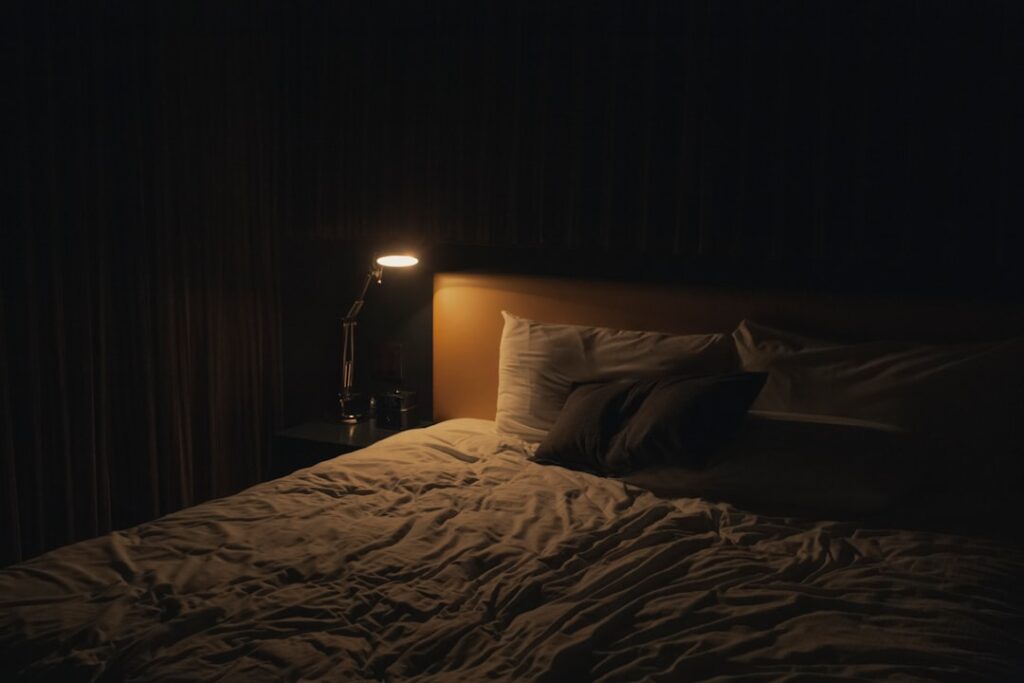
A short nap can fit into a daytime break, but it should not become your only plan for getting enough sleep. The best starting point is to consider both the available time and what happens to your nighttime sleep afterward.
How short is a short nap?
NHLBI advises adults to nap for no more than 20 minutes. It notes that naps may improve alertness and performance, but people who struggle to fall asleep at night should limit naps or take them earlier in the afternoon. This is general adult guidance, not a universal schedule for shift workers or people with sleep disorders. Source: NHLBI healthy sleep habits.
Separate nap time from break time
A 20-minute break is not necessarily 20 minutes asleep. You may need time to reach a suitable place, settle and return to work. Check your real schedule before setting an alarm that leaves no transition at all.
For example, a person with a half-hour lunch break cannot realistically spend that entire half hour napping while also eating and returning to their desk. A shorter rest opportunity or a different time may fit better. This is calendar planning, not a promise about how quickly you will fall asleep.
Make the setting workable
- Choose a safe, appropriate place where resting is permitted.
- Check the next commitment before you settle down.
- Set an alarm if you need to be back at a particular time.
- Let relevant people know you are taking a break where that is appropriate.
You do not need a new product to try a simple rest break. If a quiet space is unavailable, do not assume that buying an accessory will solve the scheduling problem.
Notice the effect on the rest of your day
Record roughly when you napped, how long you think you slept and whether bedtime felt more difficult. Keep the description simple. “Rested briefly after lunch; struggled to settle at night” is an observation, not proof that the nap caused the later problem.
A few entries can help you describe the pattern more clearly. If naps repeatedly crowd out your evening sleep opportunity, review the routine rather than automatically adding longer naps.
When a nap is not enough
Regularly needing sleep at unexpected times or persistent daytime sleepiness deserves professional advice. Do not rely on a short nap as proof you are safe to drive or perform safety-critical work. This article cannot assess alertness or fitness for those activities.
Use naps as one part of the broader conversation about your sleep, schedule and daily responsibilities.
Related reading
- How Much Sleep Do Adults Need? Planning a Realistic Sleep Window
- Sleep Diary Template: What to Record and How to Use It
- Explore all wellness guides
Prepared for Tranquilla Wellness with AI assistance. Sources checked September 13, 2026. General education; no independent clinical review is claimed. Read our editorial standards.
Featured photo: Jp Valery / Unsplash.