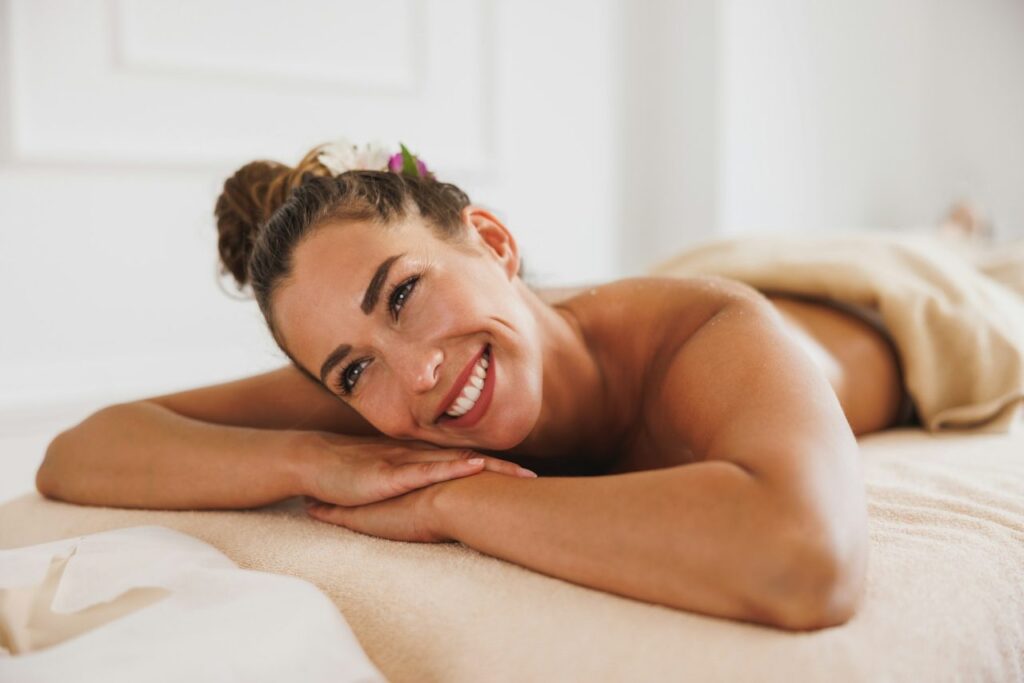
Your first massage should feel straightforward, not mysterious. Knowing what usually happens before, during and after a session can help you arrive more relaxed and make better choices about pressure, comfort and the type of treatment you book.
Your first massage: before, during and after
Before your massage
Arrive a little early if possible. This gives you time to check in, use the restroom and explain what you want from the session. A therapist may ask whether you prefer gentle relaxation, firmer pressure, or attention to specific areas such as the back, neck, shoulders or legs.
Wear comfortable clothing and avoid arriving immediately after a very heavy meal. You do not need to prepare your body in any special way. The most useful preparation is simply being clear about what feels comfortable to you.
Tell the therapist what you want
Good massage is not about tolerating discomfort. Tell the therapist if you want lighter or firmer pressure, if an area is sensitive, or if you prefer that a certain area is not worked on. You can also ask for a quieter session if you want to relax without conversation.
If you have an injury, recent surgery, pregnancy, a medical condition, or anything else that may affect whether massage is appropriate for you, mention it before the treatment. When in doubt, ask a qualified healthcare professional whether massage is suitable for your situation.
What happens during the session?
The exact process depends on the massage style and the spa. You will normally be shown to a private treatment room and given time to prepare. Professional draping is used so that only the area being worked on is uncovered.
A relaxation-focused session may use long, flowing strokes and moderate pressure. A deeper massage may use slower and more targeted pressure on areas of muscular tension. Hot stone, aromatherapy, reflexology and other treatments each follow a different routine.
How should massage pressure feel?
Pressure should feel appropriate for you. Some people enjoy firm work; others relax more with a lighter touch. More pressure is not automatically better. If you find yourself holding your breath, tensing up or wishing the therapist would move away from an area, say so.
A simple phrase such as “a little lighter, please” or “that pressure is good” gives the therapist useful feedback and helps personalize the session.
Do you have to talk during a massage?
No. Some guests enjoy conversation and others prefer silence. Both are normal. You should always feel able to communicate about comfort, temperature, pressure or positioning, but you do not need to make conversation throughout the treatment.
What should you expect afterward?
Many people feel calm or sleepy after a massage, while others simply feel refreshed. Give yourself a few minutes before rushing to your next activity. Drink water if you are thirsty and notice how your body feels.
Massage experiences vary from person to person. Avoid assuming that soreness or discomfort is necessary for a treatment to be effective. If you experience significant or persistent pain after a session, seek appropriate medical advice.
First-massage checklist
- Choose the massage style that matches your goal.
- Arrive with enough time to check in calmly.
- Tell the therapist about comfort preferences and relevant health concerns.
- Speak up about pressure, temperature or positioning.
- Remember that you can ask to stop or change the treatment at any time.
- Allow a few quiet minutes after the session before continuing your day.
Which type of massage should a beginner choose?
If your main goal is relaxation, a Swedish-style or general relaxation massage is often an accessible place to start. If you already know you prefer firmer, targeted work, you may want to discuss deep tissue or sports massage with the therapist first.
You can also read our guide to Swedish massage vs deep tissue massage for a clearer comparison.
Explore more before you book
Browse our massage and spa services or visit the Tranquilla Spa wellness journal for more practical guides on massage, spa etiquette and relaxation. Planning a longer visit? Read our spa day guide and our hotel spa etiquette guide.
Final thought
The best first massage is one where you feel informed, respected and comfortable. You do not need to know spa terminology or “do” anything perfectly. Explain what you want, ask questions when needed and treat your comfort as part of the service.
Read Next
Or explore all our Massage Guides.
Get practical wellness guides by email
Receive useful spa, massage, relaxation and travel-wellness guides from Tranquilla Spa. No unnecessary email, and you can unsubscribe at any time.
Reviewed under the Tranquilla Spa Editorial Standards. This guide provides general wellness information and is not medical advice.